
Tools
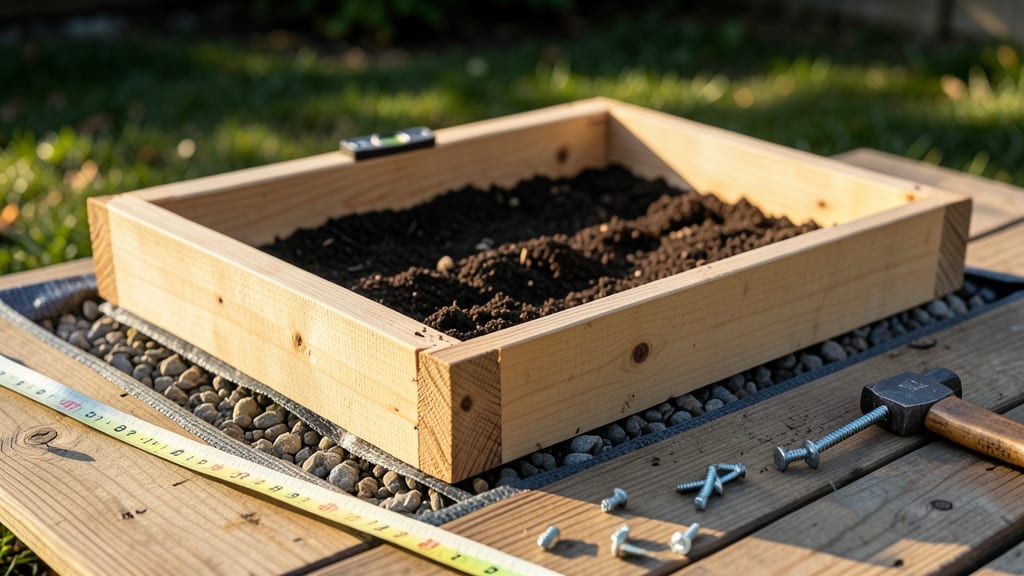
Building a durable 2x4 raised garden bed with free plans is one of the best ways to transform a patch of yard into a thriving, low-maintenance harvest zone—without breaking the bank.
Picture this: rows of General Raised Garden Bed Plants 🌱 flourishing above weeds and pests, with soil that stays loose and drains perfectly, all thanks to a simple wood frame you assembled yourself.
Whether you’re a first-time gardener or a seasoned pro, these plans make it easier than ever to create a bed that fits your space—and your budget.
The key to a great 2x4 raised garden bed lies in the details: choosing the right wood, nailing down precise measurements, and avoiding common mistakes that weaken the frame over time.
I’ll walk you through free blueprints for custom sizes, from classic 4x8-foot beds to compact 4x4 layouts, plus pro tips to extend its lifespan for years of gardening.
By the end, you’ll know exactly how to build a bed that’s sturdy, affordable, and ready for your first planting window in April or May—just in time for a bumper crop of tomatoes, herbs, or flowers.
Free 2x4 raised garden bed blueprints for all skill levels
Building a 2x4 raised garden bed is one of the most rewarding DIY projects for gardeners. Whether you're a beginner or a seasoned pro, these customizable blueprints will help you create a sturdy, long-lasting garden frame that fits your space and needs.
With three standard sizes (4x4, 4x8, and custom) and adjustable heights, you can grow everything from herbs and lettuce to tomatoes and peppers with ease.
The key to a great raised bed lies in the design details, like corner braces, wood selection, and drainage planning. Below, I’ll walk you through the best layouts for your skill level, including beginner-friendly designs and advanced modular systems for expanding your garden over time.
Plus, I’ll share my top tips for maximizing durability so your bed lasts for years.
🌱
| Bed Size | Dimensions (L x W x H) | Wood Required (2x4s) | Corner Brace Type | Skill Level | Best For |
|---|---|---|---|---|---|
| 4x4 Bed | 4' x 4' x 12" | 12 pieces (8 ft long) | L-braces or screws | Beginner | Herbs, lettuce, small veggies |
| 4x8 Bed | 4' x 8' x 12" | 20 pieces (8 ft long) | Metal brackets or notched joints | Intermediate | Tomatoes, peppers, bush beans |
| Custom Bed | Adjustable (e.g., 3' x 6') | Varies (calculate per foot) | Modular connectors or screws | Advanced | Tiered beds, mobile carts |
| 3-Ft Tall Bed | 4' x 8' x 36" | 24 pieces (8 ft long) | Heavy-duty brackets | Advanced | Accessibility, deep-root crops |
For the 4x4 bed, I recommend starting with 12 pieces of 2x4 lumber, each 8 feet long, to create a simple square frame. This size is perfect for small gardens or balcony spaces and requires minimal tools—just a drill, screws, and a tape measure.
Use L-braces or deck screws to secure the corners for extra stability.
The 4x8 bed is my go-to for most gardeners because it offers plenty of space for larger plants like tomatoes and peppers. You’ll need 20 pieces of 2x4 lumber, and I suggest using metal brackets or notched joints for a cleaner look and added durability.
This design also works well for companion planting, like pairing basil with tomatoes.
If you’re working with limited space or want to get creative, a custom-sized bed (like 3x6 feet) is a great option. Just calculate the lumber needed per linear foot and use modular connectors to expand or rearrange sections later.
For example, a 3-foot-tall bed is ideal for gardeners with mobility issues or those growing deep-rooted crops like carrots or asparagus.
🪴
One of my biggest tips for longevity is to space the 2x4s 3-4 inches apart on the bottom layer to allow for better airflow and drainage. This prevents rot and makes it easier to add compost or mulch later.
For the top layer, keep the spacing consistent but add a hardware cloth barrier if you’re dealing with gopher or rodent problems.
For height variations, I’ve found that a 12-inch bed is perfect for most gardeners, but if you want to reduce bending, consider a 24-inch height. Just remember to use heavier-duty brackets and pre-drill screws to avoid splitting the wood.
And if you’re planning to move your bed later, add wheels or a sturdy base to make it mobile.
Finally, don’t forget to line your bed with landscape fabric or cardboard before adding soil to prevent weeds from creeping in. This simple step can save you hours of weeding later!
Whether you’re a beginner or an expert, these 2x4 raised garden bed plans will help you build a garden that’s both functional and beautiful.
☀️
How to choose the best 2x4 wood and build like a pro
Building a raised garden bed with 2x4 lumber is a game-changer for any gardener. The right wood ensures your bed lasts for years while keeping your plants healthy. I’ve learned that not all lumber is created equal—some rot faster, while others resist moisture and pests like a champ.
Let’s break down the best options to avoid costly mistakes and build a bed that stands the test of time.
When selecting wood, focus on two key factors: rot resistance and chemical treatment. Cedar and pressure-treated pine are the top choices, but each has trade-offs.
Cedar is naturally resistant to rot and insects, making it ideal for long-term projects, while pressure-treated wood is budget-friendly but may contain chemicals that could leach into your soil over time. I’ll walk you through the pros and cons so you can make an informed decision.
🌲 Cedar vs. Pressure-Treated Wood: What’s Best for Your Raised Bed?
- ✅ Naturally rot-resistant (lasts 10+ years)
- ✅ No chemical leaching into soil
- ✅ Resists insects like termites
- ❌ More expensive than pressure-treated
- ❌ Limited availability in some areas
- ✅ Budget-friendly (cheaper upfront)
- ✅ Long-lasting (10+ years with proper care)
- ✅ Widely available at hardware stores
- ❌ Chemical treatment (ACQ or CA-B) may leach
- ❌ Requires sealing to prevent moisture damage
For a cost-effective alternative, consider reclaimed wood or composite lumber. Reclaimed wood adds rustic charm and avoids chemical concerns, but inspect it for rot or nails before use. Composite lumber mimics wood’s look but resists rot entirely—though it’s pricier.
I’ve used reclaimed barn wood for my beds, and it’s held up beautifully after three seasons. Just sand it smooth and seal the edges to prevent splinters.
Calculating lumber quantities is easier than you think. For a 4x8-foot bed, you’ll need: - 8 pieces of 2x4 lumber (each 8 feet long for the frame) - 4 corner braces (optional but recommended for stability) - 2x4 stakes for anchoring (if needed).
Always buy 10-15% extra to account for cuts and mistakes. Pro tip: Use a lumber calculator online to adjust for custom sizes—it saves time and wood waste.
Avoid these common mistakes that can ruin your project: - Skipping galvanized screws (regular screws rust and loosen). - Not pre-drilling holes to prevent wood splitting. - Ignoring landscaping fabric under the bed to block weeds.
I’ve seen beds collapse because of weak corner joints—always use 2x4 corner braces or L-brackets for reinforcement. A little extra effort now means years of hassle-free gardening.
Ready to build? Grab your tools, measure twice, and start with a level base. Your garden will thank you for the sturdy foundation—and so will your back when you’re not hauling heavy pots later! 🌱