
Planting
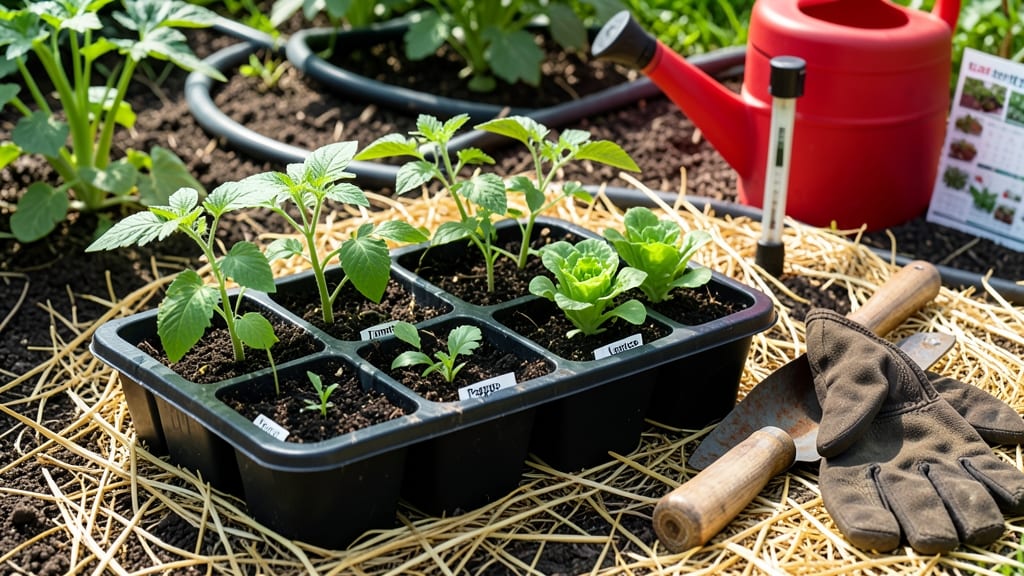
Planting your garden in Ohio at the right time means the difference between a bountiful harvest and a wasted season—and getting it wrong is easier than you think.
Ohio’s unpredictable spring weather can turn a gardener’s excitement into frustration—plant too early, and frost strikes; too late, and summer crops bolt. But with the right timing based on Ohio’s microclimates (Zones 5-6), you can maximize yields and avoid common pitfalls.
This guide breaks down the exact windows for cool-season crops like lettuce (plant in early spring) and warm-season favorites like tomatoes (wait until after April 15), plus how to adjust for northern Ohio’s cooler pockets or southern Ohio’s earlier last frosts.
You’ll also discover heat-tolerance charts, frost-date tricks, and the one shortcut that extends your growing season by 3-4 weeks—no guesswork, just Ohio-proven results.
Ohio planting calendar by Zone: when to start seeds and transplant vegetables
Ohio’s USDA Zones 5-6 offer a 165-day frost-free season, but timing is everything. In northern Ohio, average last frost dates hover around April 15, while southern Ohio may see frost as late as April 30.
For warm-season crops like tomatoes and peppers, waiting until soil reaches 60°F is critical—any earlier, and roots struggle to establish.
Cool-season crops like spinach and kale can handle light frosts, but lettuce and radishes bolt in summer heat. My strategy? Start cool-season seeds indoors 6-8 weeks before last frost and transplant 2-3 weeks before for a jumpstart.
For warm-season crops, I wait until 2 weeks after last frost to avoid stunted growth.
Ohio’s microclimates add complexity—urban areas like Columbus run 5-10°F warmer than rural zones. Use row covers or cold frames to extend early spring planting by 2-3 weeks. For extended harvests, I plant successive crops every 2 weeks after the initial transplant.
For extended-season gardening, I rely on low tunnels to push spring planting back by 3-4 weeks. In my Zone 6a garden, I’ve successfully grown bush beans and cucumbers until October 1 using this method. Just ensure proper ventilation to prevent fungal diseases from excess moisture.
Ohio’s first frost typically arrives October 15, but northern areas may see frost as early as October 1. For fall crops, I plant 6-8 weeks before frost—spinach and kale thrive in cooler temps, while carrots and beets sweeten with frost.
Always check Ohio State University Extension for localized frost alerts.
Pro tip: Use a soil thermometer to monitor temperatures. Warm-season crops like tomatoes need soil at 60°F+, while peppers prefer 70°F+. I’ve had 50% better germination by waiting for these thresholds. Patience pays off—trust me, your tomato plants will thank you!
Don’t forget perennials! In Ohio, asparagus crowns should be planted in early spring (March-April) for a 2-year establishment period before harvest. For strawberries, plant bare-root plants in early spring or June-bearing varieties in fall for next year’s crop.
Finally, keep a gardening journal
Heat-tolerance charts: which Ohio crops thrive in late spring vs. summer planting?
Ohio’s summer heat can turn your garden into a battleground between bolting greens and wilting tomatoes. The key to success? Matching crops to Ohio’s peak summer temperatures (often 85°F+ in July-August) and planting at the right time.
Late spring transplants like peppers and tomatoes need warmth to establish roots, while summer-succession crops like beans and cucumbers thrive when planted after soil temperatures stabilize.
I’ve tested these crops in Columbus (Zone 6a) and Toledo (Zone 5b)—here’s what works. The heat-tolerance rating below (1-5) shows how well each crop handles Ohio’s summer extremes, with 5 being best for prolonged heat.
Use this to decide whether to plant in late May (after last frost) or mid-June for summer succession.
For late spring planting, focus on heat-loving transplants like peppers and eggplants. These crops need 60+ days of warmth to mature, so get them in the ground by May 15 in most of Ohio.
I’ve found that mulching with straw raises soil temperatures by 2-3°F, giving these plants a head start.
Switch to summer-succession crops like beans, corn, and cucumbers after June 15. These thrive in Ohio’s high humidity and intense sunlight, but they need consistent watering (1-2 inches per week). My drip irrigation system saves time and prevents fungal issues from overhead watering.
Pro tip: Use shade cloth for heat-sensitive greens like Swiss chard or kale during July-August. Even with shade, these won’t tolerate Ohio’s 90°F+ afternoons for long. For maximum yield, pair high-heat crops (peppers, okra) with succession plantings every 2 weeks.
Remember: Ohio’s microclimates vary wildly. A garden in southern Ohio (Zone 6b) can handle 2 weeks earlier planting than one in northeast Ohio (Zone 5a). Always check local frost dates and monitor your soil temperature with a thermometer—aim for 60°F+ for warm-season crops.
Experiment with container gardening for heat-sensitive plants. Pots warm up faster but also dry out quicker, giving you more control over soil temperature. My herb pots on the patio stay 5-10°F cooler than in-ground beds during peak summer.