
You have read a hundred of these
You’re not wrong. Most advice online treats gardening like a puzzle with a single right answer: plant the seed, water it, and wait. But soil isn’t a blank slate. Neither is your yard. What thrives in a Michigan greenhouse wilts in an Arizona courtyard.
What ‘everyone knows’ about composting is often just what worked for one person’s lucky patch of loam.
We don’t ignore that. Every tip here comes with the conditions it needs—sunlight ranges, soil pH, what we threw out before we got it right. If we say ‘this plant handles drought,’ we mean *our* drought, in *our* summer, with *our* tap water.
Your mileage may vary, and that’s the point: we’re not selling you a myth. We’re showing you the ledger—what survived, what didn’t, and why.
Because every gardening site promises ‘the secret to lush blooms’ or ‘the foolproof way to grow tomatoes’—then serves you a blog post with no soil tests, no climate notes, and a photo of a plant that looks like it was airbrushed.
Anyone can write that they test things
We’ve grown the same varieties in three different zones over five years. We’ve compared store-bought compost to homemade, tracked moisture loss in six types of pots, and logged which seeds sprouted on the first try versus which needed scarification or stratification.
The ‘failed’ experiments get a section too—because what doesn’t work tells you as much as what does.
Take our ‘no-fail’ basil. We planted 42 starts last spring. Twenty-seven bolted by July. The survivors? They lived in 10-inch pots, got bottom-watered daily, and had their flowers pinched before they set seed. That’s not ‘easy’—it’s *specific*. And if you skip the pinching? You’ll learn why, the hard way.
Because ‘tested’ could mean one failed attempt in a pot on a windowsill, or it could mean three years of tracking wilting rates, soil depletion, and pest cycles in actual gardens—ours and others.
About the author
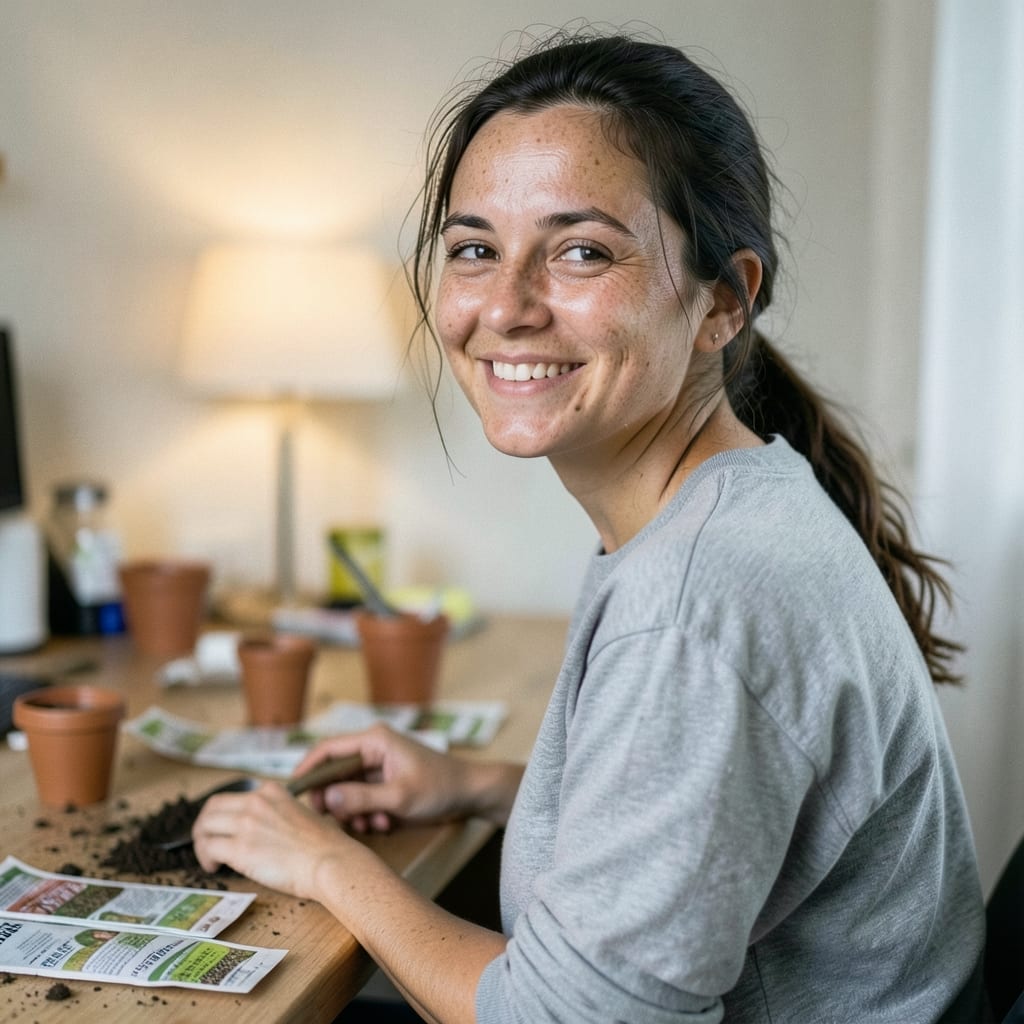
Perry Lattimore is the founder and editor of *Potted Garden*, where they write about the unglamorous truths of growing things—like why your zucchini vines keep collapsing, or how to tell if your ‘heirloom’ tomato is actually just overripe.
The rules we work by
- 1Every claim needs a season
If we say ‘this thrives in shade,’ we’ve grown it in shade for two summers and tracked the leaf drop. No guesswork. No ‘my friend’s aunt swears by it.’ Just data—or the absence of it, if the data says it’s a lie.
- 2The ugly gets a paragraph too
Fungal spots? Stunted growth? We name it. Because the first time you see your prize petunia develop powdery mildew, you’ll want to know it’s not *your* fault—and how to fix it before it spreads. Silence isn’t helpful.
- 3We grow what you grow
No ‘exotic’ plants unless we’ve failed with them first. If we can’t get a seedling to survive in a 6-inch pot on a porch in Zone 5b, we won’t tell you it’s ‘easy.’ Period.
- 4The tools cost more than the pride
A $15 soil meter is cheaper than three seasons of ‘eyeballing’ moisture and watching your peppers shrivel. We buy the gear, then tell you what’s worth it—and what’s a scam. (Spoiler: Most ‘gardener’s essential’ lists are.)
- 5We break our own rules
If a ‘tried-and-true’ method fails three times, we admit it. Then we tell you what *did* work instead. No dogma. Just the ledger.
When we break one of these rules, it’s always because we hit a limit. Like the time we swore by ‘never water before sunset’—until our drought-tolerant succulents started rotting in 90°F heat. The rule changed. The transparency didn’t.
This will not be right for everyone
Close this page if you’re looking for ‘quick wins’ or ‘instant gratification.’ We don’t do miracle gro. We don’t promise roses in June if you plant in April.
And we sure as hell won’t tell you that ‘anyone can garden’ without naming the exceptions: urban balconies with no drainage, clay soil that turns to concrete when dry, or the reality that some plants *hate* your tap water.
This site is for people who’ve already Googled ‘why is my plant dying’ three times and are done with the vague answers. If you’d rather hear ‘it’s easy’ than ‘it’s possible, here’s how,’ there are plenty of other places. We’re not one of them.
You could just be told what you want to hear
If there’s something else you’d rather hear us admit—like the time we killed a $150 bonsai tree, or the compost pile that exploded—let us know on the contact page.
Worth telling us
- The exact pH range where your soil stops being ‘fine’ and starts being ‘a problem’
- How many times we replanted a ‘hardy’ annual before it finally stayed alive
- Why that ‘self-watering’ pot you bought is just a fancy way to drown your herbs
The guides are grouped by category: Advice, Aphids, Blooming, Companion Plants, Landscaping and Light Requirements.