I’ve always had a soft spot for the quiet magic of a thriving garden—whether it’s the first green shoots breaking through soil in spring or the way a well-tended plant can turn a corner of the world into a little sanctuary. My family’s backyard in rural Michigan was my first classroom, where I learned that gardening isn’t just about growing things; it’s about patience, curiosity, and the small joys of watching life unfold. Here, I share the lessons I’ve picked up along the way, from the tried-and-true to the happily surprising, so you can find the same joy in your own patch of earth.
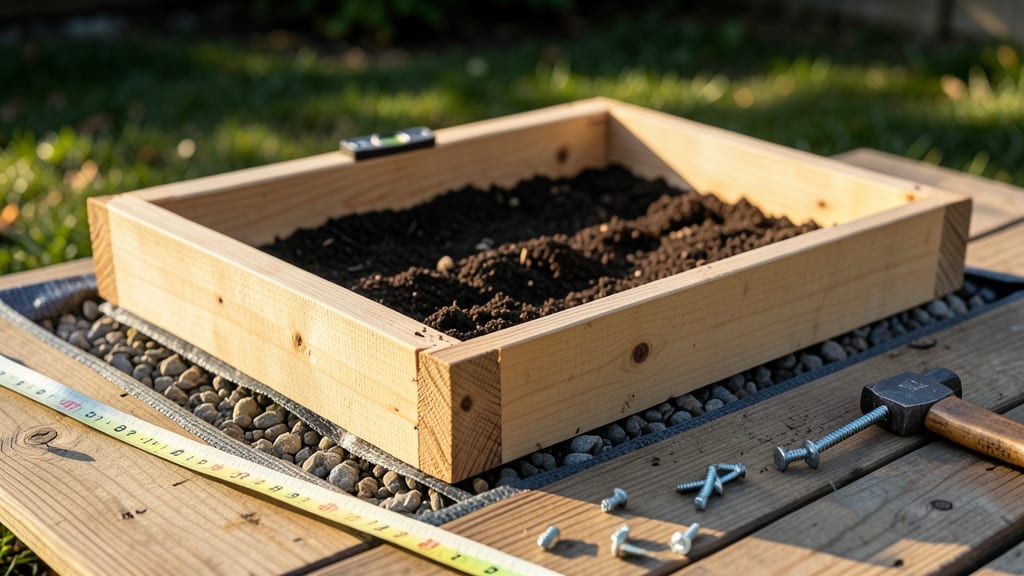
Building a durable 2x4 raised garden bed with free plans is one of the best ways to transform a patch of yard into a thriving, low-maintenance harvest zone—without breaking the bank. Picture this: rows of General Raised…
💥 Quick Answer For an 8x4x2 raised garden bed, you'll need approximately 12.8 cubic feet (0.36 cubic meters) of soil —or about 3.6 cubic yards —before accounting for natural settling. To ensure proper drainage and…
An 8×8 raised garden can pack more productivity into 64 square feet than you’d expect—if you plan it right for your space and goals. Picture this: a tiny backyard or balcony bursting with fresh herbs, crisp lettuce, and…
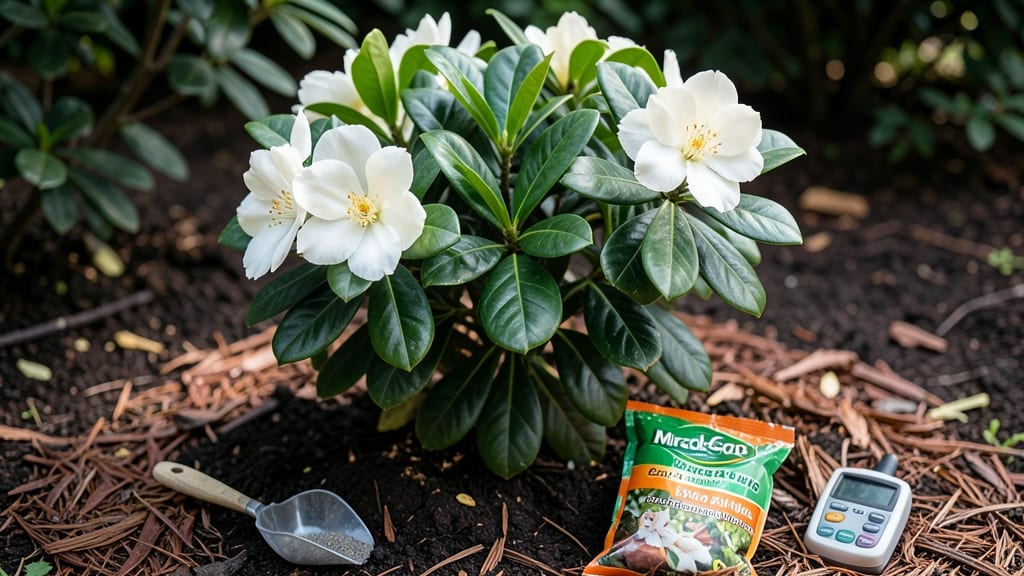
Using an acid-based fertilizer for gardenias 🌸 is the game-changer you’ve been missing if your shrubs look tired and blooms are sparse. Struggling to keep your gardenias blooming? The secret might be hiding in your…
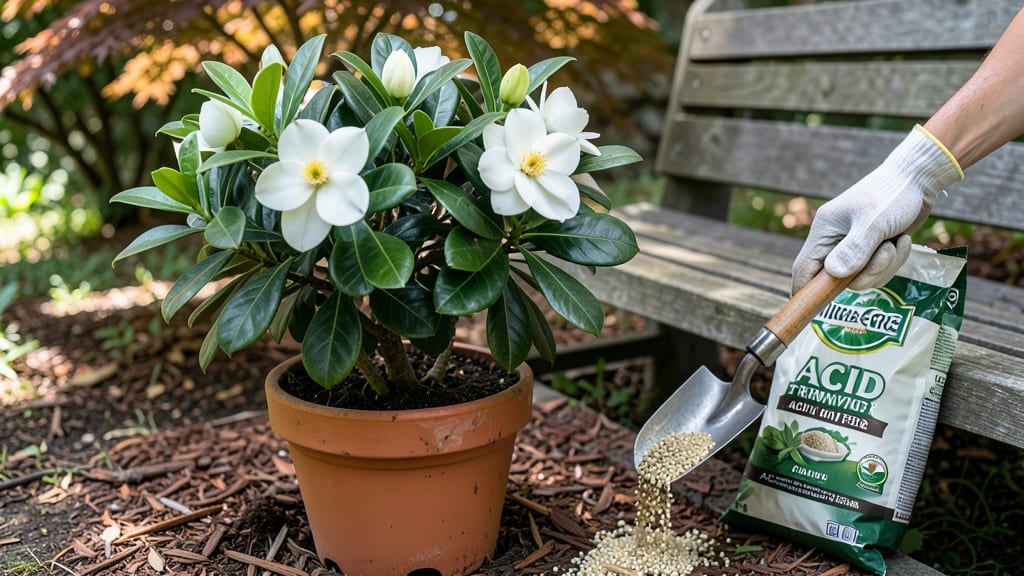
Fertilizing gardenias with acid fertilizer is the secret to those fragrant blooms you’ve been dreaming of—these acid-loving plants simply won’t thrive without it. Picture this: your gardenia’s leaves turn yellow, buds…
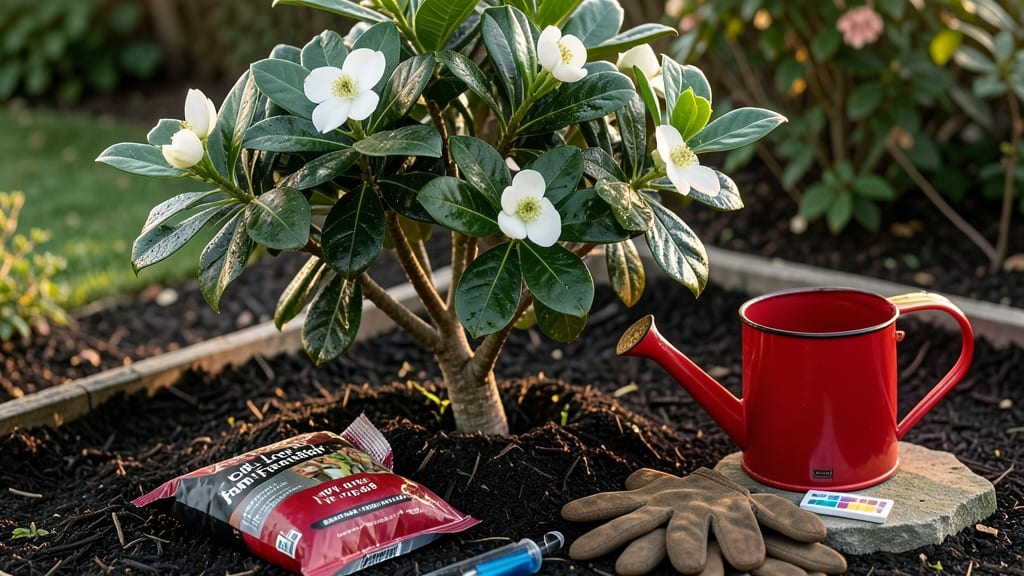
Using acidic nitrogen fertilizer for gardenias is the game-changer behind those fragrant, glossy blooms you’ve been dreaming of—but getting it wrong can leave your 🌸 shrubs yellowing and sparse. Picture this: your…
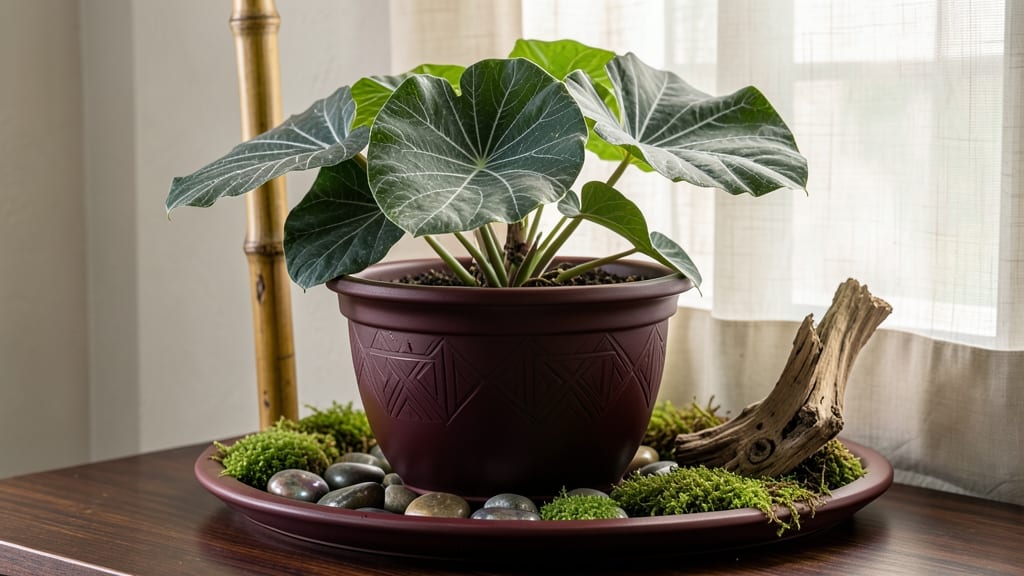
Garden ideas featuring alocasia plants turn any space into a tropical escape with their bold, elephant-ear leaves that demand attention. Picture this: a shady corner bursting with alocasia varieties like 'Polly' or…
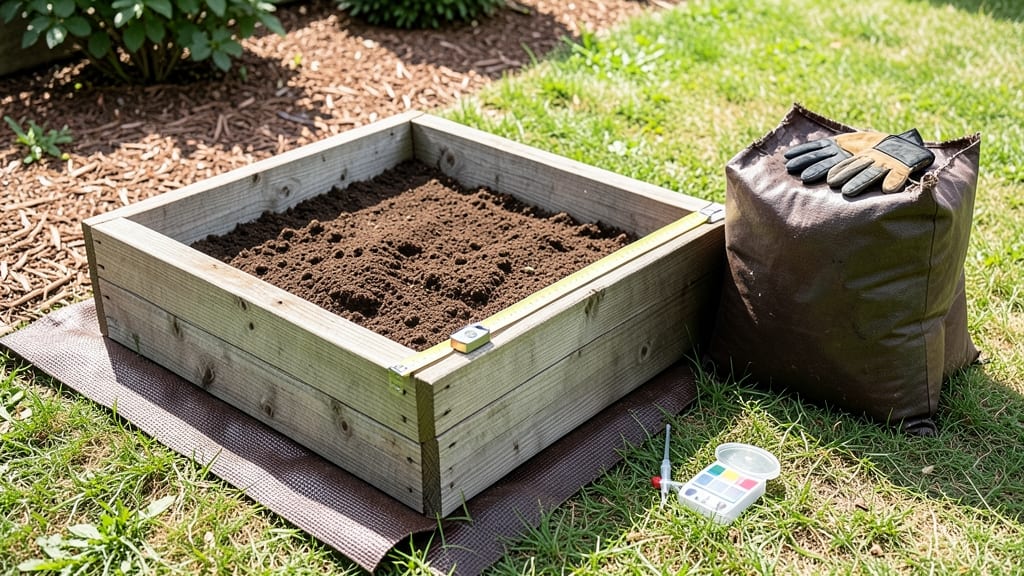
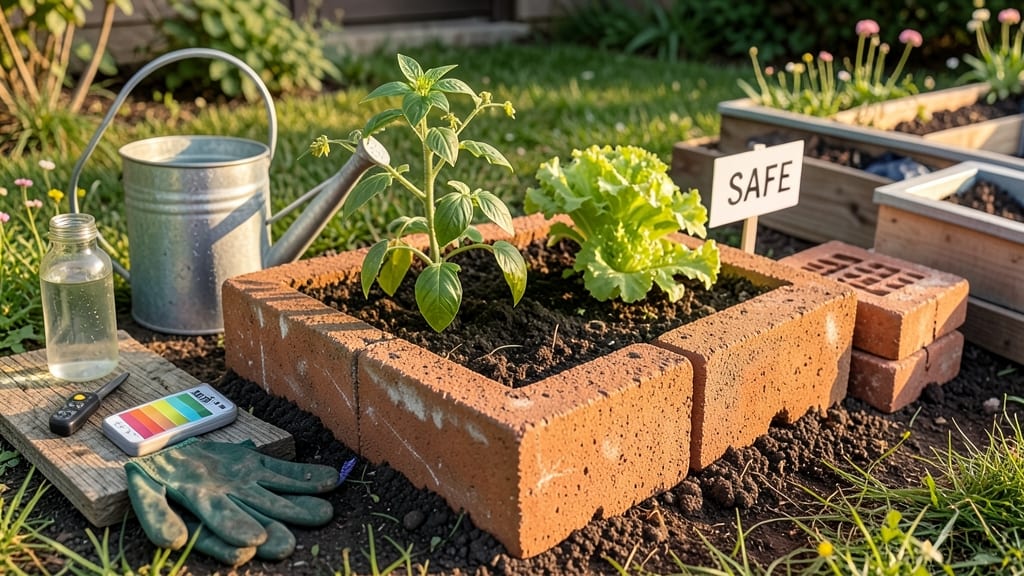
💥 Quick Answer Cinder blocks are generally safe for vegetable gardens when used as raised bed frames, but their alkaline nature can raise soil pH over time, potentially limiting nutrient uptake for acid-loving plants…
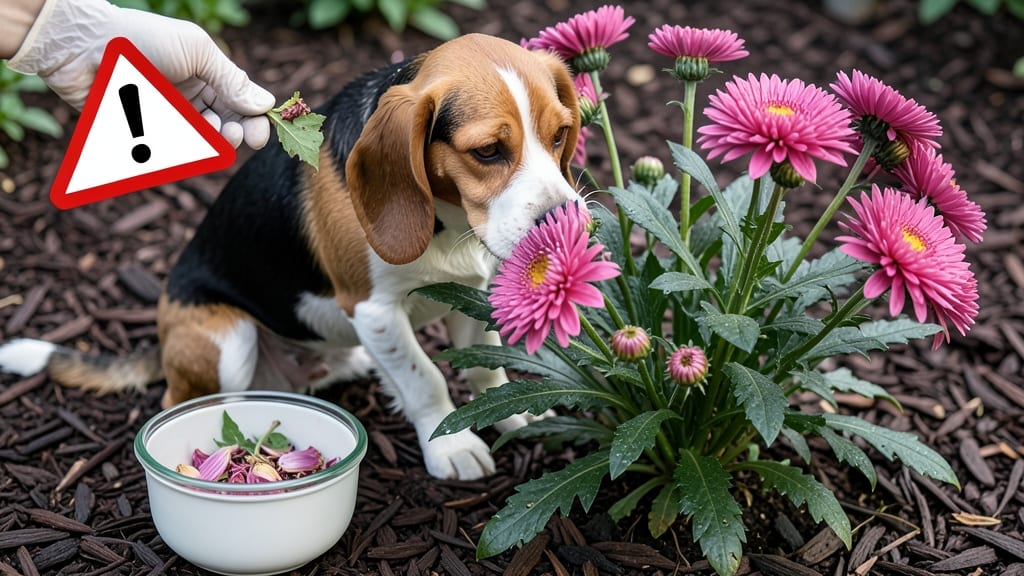
💥 Quick Answer Garden mums (chrysanthemums) are toxic to dogs because their pyrethrin compounds can trigger symptoms like drooling, vomiting, and skin irritation when chewed or ingested. Always remove them from your…
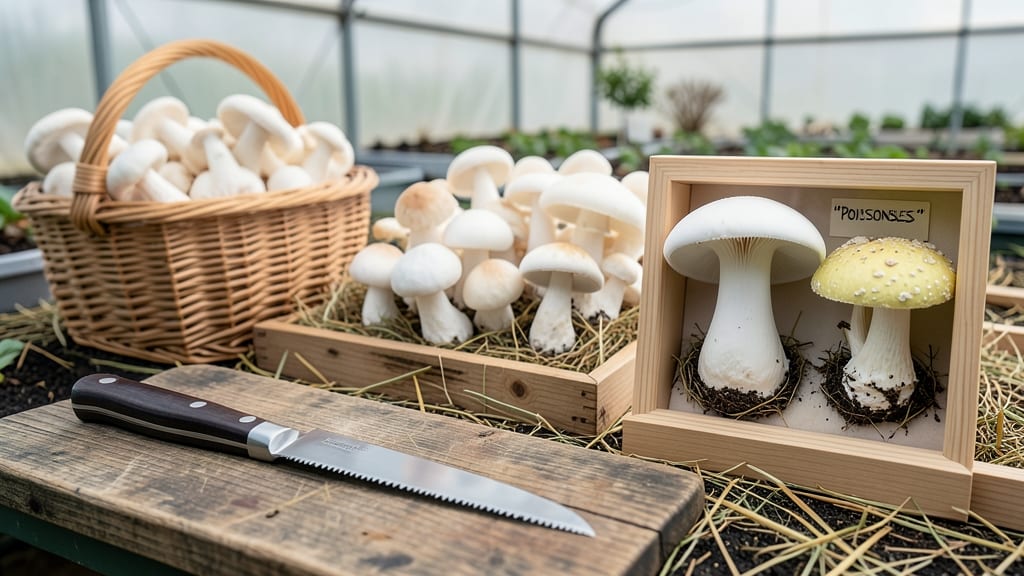
💥 Quick Answer The garden mushrooms you buy from store kits or cultivated varieties are not poisonous, but wild mushrooms can be extremely dangerous—some species contain deadly toxins. Always confirm your source and…