
Picking
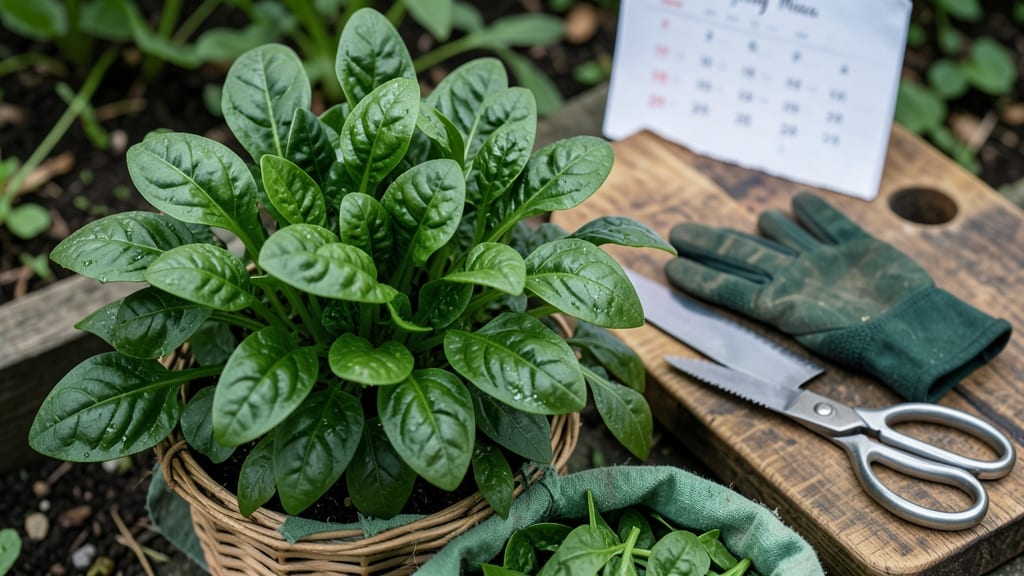
Picking spinach from your garden at the right time ensures tender, flavorful leaves instead of tough, bitter ones—so timing matters more than you might think.
Picture this: you’ve nurtured your 🥬 spinach through cool spring days, only to wait too long and watch it bolt into bitter stalks. Or worse, you harvest too early and end up with tiny, underdeveloped leaves.
The key is knowing when those leaves are just right—neither too small nor past their prime.
For gardeners in Zone 6a, the ideal window is May–June or October–November, when temperatures stay mild and growth is steady. But even then, you’ll want to check leaf size, texture, and color to lock in peak flavor.
Below, I’ll walk you through the exact signs to watch for—plus how to harvest without sacrificing future growth—so you never miss the sweet spot again.
How to tell when spinach leaves are ready for harvesting
Timing your spinach harvest is an art that blends visual cues with an understanding of the plant’s growth stages. The moment you pick spinach can transform your garden’s bounty from tender, sweet greens to tough, bitter leaves.
I’ve learned that leaf size, color, and texture are the best indicators of readiness, and missing these signs often means sacrificing flavor for convenience.
Spinach thrives in cool weather conditions, and its growth accelerates when temperatures stay below 75°F (24°C). This means your harvest window is typically in spring and fall, when days are shorter and nights are cooler.
If you wait too long, your spinach will bolt (send up flower stalks), turning fibrous and less palatable. Paying attention to these seasonal cues helps you avoid common mistakes and ensures a steady supply of fresh greens.
| Growth Stage | Leaf Characteristics | Harvest Readiness | Action |
|---|---|---|---|
| Seedling | Small, sparse leaves (1-2 inches) | Not ready | Wait 3-4 weeks |
| Early Growth | Leaves 2-4 inches, light green | Not ideal (wait for maturity) | Harvest outer leaves only |
| Optimal Harvest | 4-6 inches long, deep green, tender | Perfect for picking | Harvest outer leaves first |
| Over-Mature | Leaves >6 inches, tough, bitter | Bolting risk | Harvest entire plant |
| Bolting | Flower stalks appear, leaves yellow | Too late for harvest | Remove plant |
The ideal time to pick spinach is when leaves reach 4-6 inches in length and are a vibrant dark green color. At this stage, the leaves are tender and crisp, packed with nutrients, and bursting with flavor.
I always test tenderness by gently squeezing a leaf—if it feels soft and slightly pliable, it’s ready. This method works for both baby spinach and mature varieties, though baby leaves can be harvested earlier for a milder taste.
Another key visual cue is the leaf shape and density. Mature spinach leaves should be broad, with a slight crinkle or savoy texture (if growing a savoy variety). If the leaves are narrow, pale, or leggy, your spinach is either underwatered or overcrowded.
Address these issues before harvesting to ensure quality. I’ve found that morning harvests yield the freshest leaves, as overnight dew keeps them hydrated and crisp.
Seasonal timing plays a crucial role in spinach readiness. In spring, spinach grows quickly in cooler temperatures, often reaching harvest size in 30-45 days. In fall, growth slows slightly, so I extend the timeline to 45-60 days for optimal maturity.
If your spinach starts to bolt (send up flower stalks), it’s a clear sign you’ve missed the harvest window. Bolting spinach becomes tough and develops a bitter taste, making it unsuitable for fresh eating.
For continuous harvests, I recommend using the "cut-and-come-again" method. Instead of pulling the entire plant, snip or cut the outer leaves first, leaving the inner growth intact. This encourages the plant to produce more leaves, giving you a longer harvest season.
Just be sure to leave at least 2-3 inches of growth at the base to allow regrowth. This technique works best with baby spinach varieties like 'Baby’s Leaf Hybrid' or 'Tyee'.
If you’re growing spinach in containers or pots, the same rules apply, but you’ll need to monitor growth more closely due to limited space. Container-grown spinach may mature slightly faster, so check leaves every 2-3 days once they reach the 2-inch mark.
Overcrowding in pots can lead to pale, leggy leaves, so thin seedlings early to give each plant enough room to thrive.
One mistake I see often is waiting too long for "big" leaves. While larger leaves might look impressive, they’re often less tender and more bitter. The sweet spot is medium-sized leaves (4-6 inches), which balance flavor and texture perfectly.
If you’re unsure, always err on the side of harvesting earlier—spinach regrows surprisingly well if you leave the center intact.
After harvesting, store spinach properly to maintain freshness. Wrap leaves in a damp paper towel and place them in a sealed plastic bag in the fridge. This keeps them crisp for up to 5-7 days.
For long-term storage, consider freezing blanched spinach in ice cube trays or vacuum-sealing it. Proper post-harvest care ensures you enjoy your garden’s efforts long after the last leaf is picked.
Best harvesting techniques for spinach to maximize yield
Harvesting spinach properly isn't just about timing—it's about technique. The way you pick spinach leaves directly impacts your plant's ability to regrow and produce continuously. Unlike other greens, spinach thrives when you harvest selectively, allowing the plant to keep growing while you enjoy fresh leaves.
I've found that mastering these methods can extend your harvest season by 30-50% compared to traditional full-plant pulling.
Your first decision is whether to cut or pull the leaves. Both methods work, but each has distinct advantages. Cutting leaves with clean scissors leaves the roots intact, encouraging faster regrowth. Pulling entire plants works well for final harvests before bolting, but it removes the plant entirely.
For continuous production, I recommend starting with cutting—it's gentler on your spinach and gives you more harvests over time.
How to Harvest Spinach for Maximum Yield
- 🌱 Step 1: Wait for 4-6 inch leaves – Harvest when outer leaves reach this size for optimal tenderness
- ✂️ Step 2: Use sharp scissors – Cut leaves at the base, leaving at least 1 inch of stem attached
- 🌿 Step 3: Leave inner leaves – Never remove more than 1/3 of the plant at once to maintain growth
- 📅 Step 4: Harvest every 7-10 days – Consistent picking encourages continuous production
- 💧 Step 5: Water immediately after – Keep soil moist to support rapid regrowth between harvests
- ☀️ Step 6: Avoid midday heat – Harvest in morning shade to prevent wilting and stress
Frequency matters just as much as technique. I've learned that harvesting spinach every 7-10 days keeps production steady. This regular schedule prevents the plant from becoming overcrowded and allows new leaves to develop properly.
In my experience, plants that receive this consistent attention produce 2-3 times more over their growing season compared to those harvested less frequently.
To encourage even more regrowth, I always make sure to water thoroughly after each harvest. Spinach has shallow roots, so keeping the top 2-3 inches of soil consistently moist is crucial.
A light mulch layer helps maintain moisture levels while preventing weeds. I've noticed that plants mulched with straw or compost produce larger, more tender leaves compared to unmulched plants.
One common mistake I see is harvesting too aggressively. While it might seem logical to take all the large leaves at once, this shocks the plant and can lead to bolting—the process where spinach sends up flower stalks and becomes bitter.
Instead, focus on selective harvesting of the largest outer leaves first. This approach lets the plant maintain its energy reserves while still providing you with fresh greens.
For fall harvests, I adjust my timing slightly. As temperatures drop below 60°F, spinach actually tastes sweeter and more tender. This is when I often extend my harvest window, sometimes continuing until the first light frost.
Just be sure to harvest before hard frosts, which can damage the plants. With proper care, you can enjoy fresh spinach from early spring through late fall in most climates.