
Container Gardens
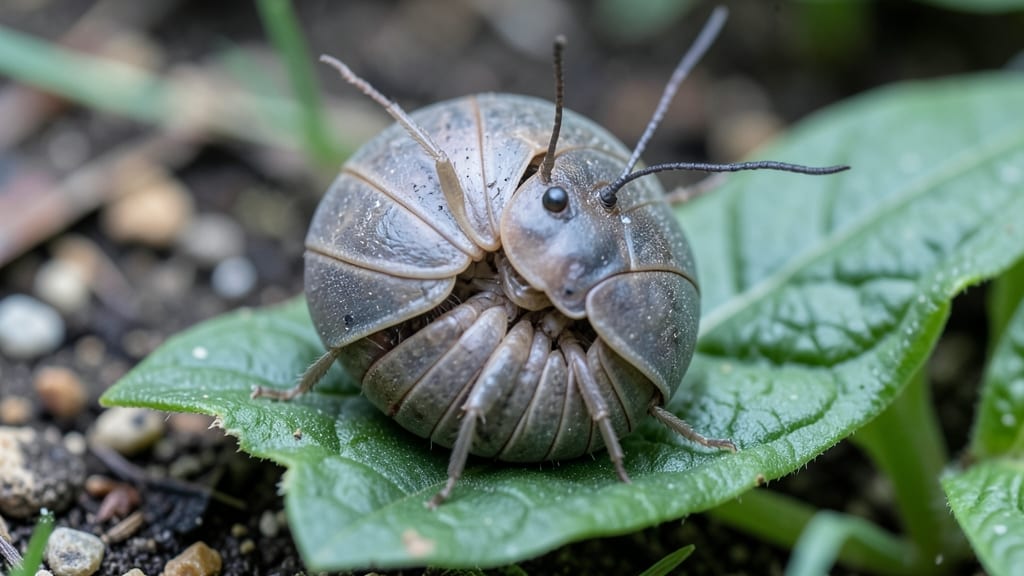
Pill bugs aren't bad for gardens—they decompose organic material, improve soil aeration, and boost nutrient availability, though they might occasionally nibble on tender seedlings or rotting plant debris. These tiny creatures actually support a thriving garden ecosystem.
These little armor-clad critters are nature's recyclers, turning fallen leaves and plant waste into nutrient-rich humus. 🌱 Their tunneling activity keeps soil loose and well-drained, while their feeding habits encourage beneficial microbial growth. I've noticed gardens with healthy pill bug populations retain moisture better and show fewer signs of compaction.
The occasional nibble on seedlings is usually minor compared to their overall benefits—think of them as the garden's cleanup crew rather than pests.
What's fascinating is how they work alongside earthworms and fungi to create a balanced soil food web. Their presence often signals a garden ecosystem in good health, where decomposition happens efficiently.
The key is balance—too many pill bugs might indicate excess organic matter, but their absence could mean your soil lacks proper food sources for these helpful decomposers.
💡 In This Article
- How Pill Bugs Improve Soil Health
- Managing Pill Bug Populations in Gardens
How pill bugs improve soil health
Pill bugs, those segmented creatures that curl into a tight ball, are actually soil superheroes in disguise. Their primary role is breaking down organic matter like fallen leaves, dead plants, and other debris through a process called detritivory.
When they consume this material, their digestive systems chemically alter it, creating nutrient-rich humus that feeds plants. Studies show they can process up to 50% of their body weight in organic material daily—imagine a tiny army of composters working 24/7 in your garden!
Their tunneling activity is equally impressive. As they move through soil, pill bugs create microscopic channels that improve aeration and drainage. This is particularly valuable in clay-heavy soils where compaction is common. The tunnels also help water penetrate deeper, reducing runoff and keeping roots hydrated.
What's more, their presence stimulates beneficial soil microbes by providing them with easily digestible organic particles, creating a thriving underground ecosystem.
Pill bugs also play a crucial role in nutrient cycling. When they consume nitrogen-rich materials like manure or decaying plant proteins, they convert these nutrients into forms that plants can easily absorb. This natural fertilization process reduces the need for synthetic amendments.
In fact, gardens with healthy pill bug populations often show 10-20% higher nutrient availability in the top 6 inches of soil compared to gardens lacking these decomposers.
What makes them especially valuable is their symbiotic relationship with fungi. Pill bugs often carry fungal spores on their bodies, helping spread beneficial mycorrhizal networks throughout the soil. These fungal partnerships enhance plant root systems, making them more efficient at absorbing water and nutrients.
The combination of their physical activity and biological interactions creates a self-sustaining cycle that maintains soil fertility with minimal human intervention.
Their impact becomes particularly noticeable during the decomposition process. While earthworms excel at breaking down coarse materials, pill bugs specialize in finer organic particles that worms often miss.
This complementary relationship means your garden gets comprehensive decomposition coverage. The result? Soil that stays loose, fertile, and capable of supporting robust plant growth throughout the growing season.
One fascinating detail is how pill bugs contribute to carbon sequestration. As they process organic matter, they help stabilize carbon in the soil rather than releasing it as CO₂.
This makes them an important ally in sustainable gardening practices, particularly for those focused on reducing their environmental footprint while maintaining productive garden beds.