
Pests
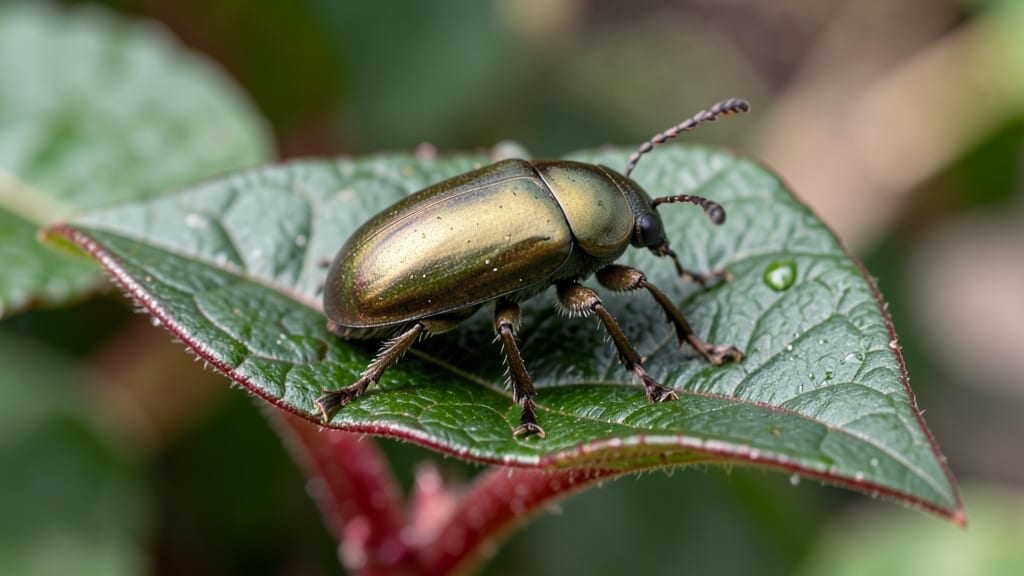
Controlling the Asiatic garden beetle 🐛 is your first line of defense against a pest that can turn lush lawns into skeleton patches overnight.
Picture this: you’ve just spent hours tending to your garden, only to wake up the next morning and find your prized plants chewed to shreds. That’s the work of the Asiatic garden beetle—an invasive menace that thrives in warm climates and multiplies faster than you can say "garden disaster."
These beetles don’t just attack leaves; their larvae, known as white grubs, feast on roots, leaving your plants weak and vulnerable. Without intervention, they can spread across lawns, gardens, and even crops, turning your hard work into a battleground.
Don’t let them win. In this guide, you’ll learn how to spot these pests early, deploy traps and natural remedies, and implement long-term strategies to keep your garden thriving—without relying on harsh chemicals.
How to identify Asiatic garden beetles & their damaging life cycle
The Asiatic garden beetle (Anomala orientalis) is a relentless garden invader that can turn your lush lawn or vegetable patch into a skeleton of chewed foliage in just weeks.
Unlike many pests, this beetle attacks both above and below ground, making it especially tricky to spot until the damage is already done. The key to stopping its spread lies in recognizing its two distinct life stages—the adult beetle and the larval white grub—and understanding when they strike.
Adult Asiatic garden beetles emerge in late spring to early summer, typically May through July, and feed voraciously on leaves, flowers, and fruit. Their larvae, however, are the real troublemakers, burrowing underground to feast on roots and grass roots from summer through fall.
Misidentifying them as Japanese beetles or chafer grubs can lead to ineffective control measures, so let’s break down their unique traits and seasonal patterns.
| Feature | Asiatic Garden Beetle Adult | Asiatic Garden Beetle Larvae (White Grubs) | Japanese Beetle (Comparison) |
|---|---|---|---|
| Size | 1/3 to 1/2 inch long | Up to 1 inch (C-shaped) | 1/2 inch (green with copper wings) |
| Color | Dark metallic green with orange legs | White to cream with brown head | Green with bronze wings |
| Active Season | May–July (evenings) | June–October (underground) | June–August (full sun) |
| Damage Type | Leaf notching, skeletonized foliage | Root feeding, brown grass patches | Flower/leaf destruction, skeletonized plants |
| Key ID Tip | Orange legs + no white markings | C-shaped + brown head capsule | Tufts of white on sides |
The adult Asiatic garden beetle is often confused with Japanese beetles due to their similar metallic sheen, but their orange legs and lack of white tufts set them apart.
Look for these beetles clustering on roses, grapes, or fruit trees during the day, though they’re most active at dusk and dawn. Their feeding leaves behind a lacy, skeletonized pattern on leaves, a dead giveaway.
Meanwhile, the larval stage is where the real damage happens underground. These white grubs resemble earthworms but have a distinctive brown head capsule. They thrive in moist, organic-rich soil, often found in lawns, garden beds, and compost piles.
If you lift a patch of sod and see C-shaped grubs feeding on roots, you’ve likely got an infestation on your hands.
Understanding their seasonal life cycle is crucial for timing your control efforts. Adults emerge in late spring, mate, and lay eggs in soil by June. Larvae hatch in 4–6 weeks, feeding through summer and fall before pupating in the soil.
They’ll overwinter as pupae, emerging again next year. This means early summer is prime time to target adults, while late summer to fall is when you’ll need to focus on larvae.
One of the biggest mistakes gardeners make is waiting until they see brown patches in lawns or chewed leaves to act. By then, the larvae have already been feeding for weeks.
Instead, I recommend proactive monitoring—check for adults in May using a white sheet and flashlight at dusk, and dig up small sections of lawn in July–August to spot grubs.
If you’re still unsure whether you’re dealing with Asiatic garden beetles, compare them to chafer grubs, which are similar but typically have a shinier, darker brown head. Chafer grubs also prefer drier soil and are less aggressive feeders.
Meanwhile, Japanese beetle grubs are white with a yellow-brown head and prefer sandy soils. Knowing these differences helps you choose the right control methods.
Once you’ve confirmed an infestation, act fast. Adult beetles can lay up to 40 eggs at a time, and their larvae can devour entire root systems in weeks. In my experience, combining physical removal (handpicking adults) with soil treatments (beneficial nematodes for grubs) yields the best results.
We’ll dive deeper into control strategies in the next section, but for now, keep your eyes peeled for those orange-legged beetles and suspicious white grubs in your soil.
Top 5 effective traps & natural repellents to eliminate Asiatic garden beetles
When Asiatic garden beetles invade your garden, they can decimate plants in days. The good news? You don’t need harsh chemicals to fight back. Beer traps and organic repellents are proven, eco-friendly solutions that protect your garden while keeping pollinators safe.
Let’s explore the most effective methods to reclaim your yard without harming the ecosystem.
First, consider beer traps—a classic, low-cost solution that works by attracting beetles with the scent of fermented yeast. Simply bury a container filled with beer at ground level, and the beetles will drown within hours.
This method is especially effective in the evening when beetles are most active. For larger infestations, combine traps with pheromone lures, which disrupt mating cycles and reduce future generations.
Here’s a quick comparison of the best options to help you decide which fits your garden’s needs:
Asiatic Garden Beetle Control Methods
Beer Traps
- Pros: Cheap, easy to set up, effective for adults
- Cons: Requires frequent refills, attracts other pests
Pheromone Lures
- Pros: Reduces mating, long-lasting, non-toxic
- Cons: Expensive, requires reapplication, limited to adults
Neem Oil Spray
- Pros: Organic, kills larvae and adults, safe for plants
- Cons: Must reapply after rain, strong odor
Diatomaceous Earth
- Pros: Non-toxic, long-lasting, kills grubs
- Cons: Can harm beneficial insects, requires dry conditions
Beneficial Nematodes
- Pros: Targets larvae, eco-friendly, improves soil
- Cons: Expensive, requires moisture, slow acting
For a natural repellent, turn to neem oil, a plant-based solution that disrupts beetle feeding and reproduction. Mix 1 tablespoon of neem oil with 1 quart of water and a teaspoon of mild soap, then spray directly on affected plants.
Repeat every 5-7 days or after rain to maintain effectiveness. This method is gentle on plants and safe for pollinators when used correctly.
Another powerful tool is diatomaceous earth, a fine powder made from fossilized algae. Sprinkle it around plant bases and lawn edges to create a barrier that dehydrates beetle larvae and adults.
Just remember to reapply after watering or heavy rain. For a more targeted approach, beneficial nematodes can be introduced to the soil to hunt down grubs before they mature.
Combine these methods for the best results. Start with beer traps to reduce adult populations, then apply neem oil or diatomaceous earth to protect young plants. Monitor your garden regularly, and you’ll see a noticeable decline in beetle activity within weeks. Your garden’s health—and your peace of mind—will thank you.