
Watering
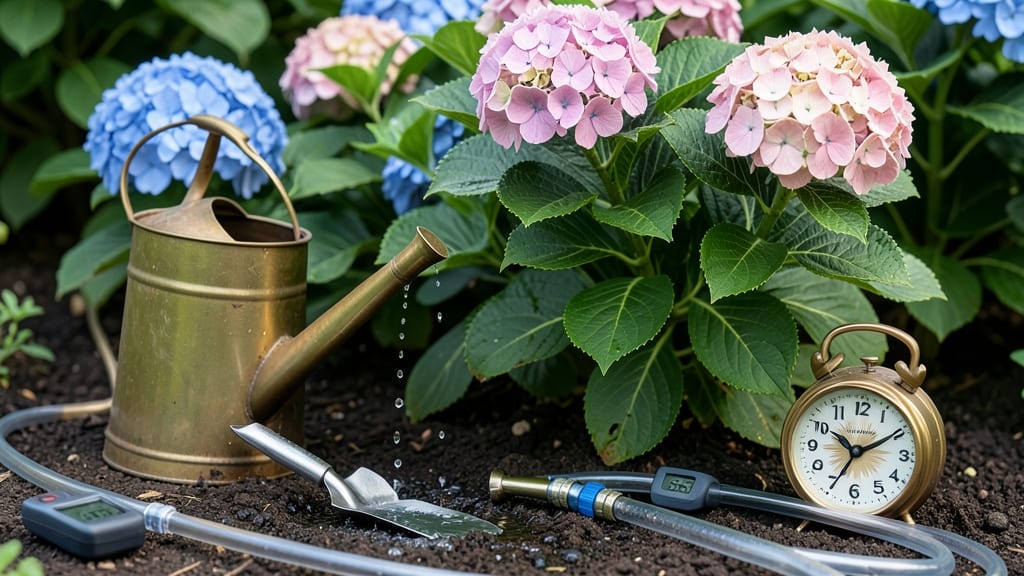
Watering your garden at the best time isn’t just about keeping soil moist—it’s the difference between thriving 🌱 plants and wasted effort.
If you’ve ever spent 20 minutes watering only to watch the moisture vanish by noon, you’re not alone. The truth? Early mornings—before the sun climbs too high—are when plants drink deeply without losing water to evaporation or fungal threats.
This isn’t just theory; it’s how experienced gardeners in Zone 6a (and beyond) protect their spring plantings from stress. Whether you’re nurturing seedlings or established perennials, timing matters more than you think.
Below, I’ll break down the science behind morning watering, how to adjust for different plants, and the 3 biggest mistakes that drain your water—and your patience.
Why morning watering boosts plant growth (and how to do it right)
If you’ve ever wondered why your tomatoes or herbs seem healthier after morning watering, there’s a reason rooted in science. Cooler temperatures and lower wind speeds in the early hours mean water soaks deeper into the soil instead of evaporating quickly.
Plus, wet foliage from evening watering can invite fungal diseases like powdery mildew. Morning watering gives plants a hydration head start for the day.
Think about it: when you water in the early morning, the sun hasn’t yet heated the air, so less water evaporates before reaching the roots. This means your watering efficiency skyrockets—sometimes by up to 30% compared to midday or evening sessions.
For container gardens or potted plants, this translates to healthier roots and fewer wilting leaves.
Here’s the kicker: deep watering in the morning encourages roots to grow deeper into the soil, making plants more drought-resistant over time. Shallow watering, whether in the morning or evening, keeps roots near the surface, where they’re more prone to drying out.
The goal? Strong root systems that can access moisture even during dry spells.
But timing isn’t everything—technique matters too. A quick sprinkle won’t cut it. Aim for 1-2 inches of water per session, delivered slowly so it penetrates deeply. Use a soaker hose or drip irrigation for even coverage, especially for vegetable gardens or flower beds.
This method reduces runoff and ensures water reaches where it’s needed most.
For container gardens, morning watering is a game-changer. Pots dry out faster than in-ground soil, so a daily check is often needed. Stick your finger 1-2 inches deep—if it’s dry, water until it drains from the bottom.
Overwatering is just as harmful as underwatering, so always let excess water escape to prevent root rot.
What about lawns? Morning watering works here too, but aim for deep, infrequent watering to encourage deep roots. A slow-release sprinkler set before sunrise can save time and water. For newly planted trees or shrubs, focus on the root zone—water deeply but less frequently to avoid shallow roots.
Pro tip: If you’re not a morning person, set up a smart irrigation system or timer to handle the job. Many systems let you program watering cycles for specific times, so you can still reap the benefits without the early wake-up call.
Even a simple hose timer can make a difference.
Remember, the best time to water isn’t just about the clock—it’s about giving your plants the right conditions to thrive. Combine morning watering with mulch (like straw or wood chips) to retain moisture, and you’ll see a noticeable difference in plant health.
Your tomatoes, roses, and even your lawn will thank you!
Start your watering routine before 10 AM, and watch your garden transform. It’s one of the simplest yet most effective ways to boost growth, save water, and keep your plants happy and healthy all season long. 🌱💧☀️
Morning watering schedule by plant type: when to adjust for optimal results
Not all plants thrive on the same watering routine—what works for tomatoes can drown succulents. The key is adjusting your morning schedule based on plant type and climate.
For example, leafy greens like spinach need consistent moisture, while roses prefer deep soaks less often. Even your lawn has different needs than your herbs.
In drought-prone areas, I water vegetables like peppers and eggplants at 5 AM to maximize root absorption before the sun peaks. In high-heat zones, I extend watering to 7 AM to prevent midday wilting. The goal? Mimic natural rainfall patterns while avoiding fungal risks from evening dampness.
Morning Watering Adjustments by Plant Type
- Vegetables (Tomatoes, Peppers, Lettuce): Water 5-7 AM for 1-1.5 inches of water. Deep water at soil level to avoid leaf diseases.
- Flowers (Roses, Petunias, Marigolds): 6-8 AM watering with 0.5-1 inch. Focus on root zones to encourage blooms.
- Succulents & Cacti (Aloe, Jade, Snake Plant): Water 6-7 AM every 7-10 days. Use drip irrigation to target roots directly.
- Lawns (Cool-Season Grasses): Early morning (before 8 AM) for 0.5-1 inch. Use soaker hoses to reduce runoff.
- Herbs (Basil, Thyme, Parsley): Water 6-7 AM with 0.5 inch. Keep soil consistently moist but not soggy.
- Drought-Prone Areas: Shift to 4-5 AM watering. Use mulch to retain moisture for 24+ hours.
For high-heat climates, I adjust by adding morning misting for delicate flowers like hydrangeas at 6 AM. This creates a humid microclimate without inviting pests. Meanwhile, container plants often need daily morning watering in summer—check soil moisture by sticking your finger 1 inch deep.
Pro tip: Group plants with similar needs together. For example, place tomatoes and peppers near your irrigation line to simplify watering. Avoid overhead sprinklers—they waste water and can spread fungal spores. Instead, use drip systems or soaker hoses for precision.
Remember, the best time to water garden isn’t just about the clock—it’s about reading your plants. Yellowing leaves? You might be overwatering. Crispy edges? Time to increase frequency. Adjust your routine every 2-4 weeks based on weather and plant responses.
With these adjustments, you’ll see healthier roots, fewer pests, and less water waste—all while keeping your garden thriving without guesswork. 🌱☀️