
Tools
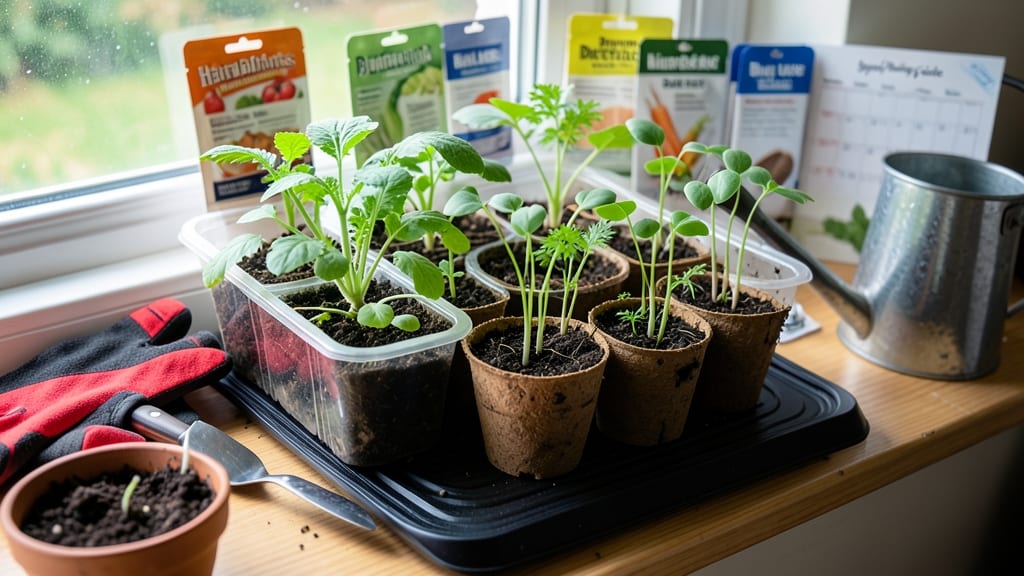
Starting a vegetable garden at the right time ensures your 🌱 plants thrive instead of wither—so timing your first seeds or transplants to your climate zone is the key to success.
Timing your vegetable garden start can mean the difference between a thriving harvest and a sad, frost-killed disappointment—so knowing your climate zone is everything.
In Zone 6, where spring arrives slowly and frost lingers until mid-April, planting too early risks losing seedlings to cold snaps. But wait too long, and summer heat arrives before your tomatoes or peppers have a chance to set fruit.
Below, I break down the exact month-by-month window for your region, how to prep soil before seeds go in, and the 3 biggest mistakes gardeners make when guessing timing.
Best planting times by USDA climate Zones: month-by-month breakdown
Timing your vegetable garden is all about matching seedlings to your climate zone and frost dates. Whether you're in Zone 3 with harsh winters or Zone 11 with year-round warmth, knowing the right window for cool-season crops (like lettuce) versus warm-season crops (like tomatoes) makes all the difference.
Let’s break it down by zone so you can plant with confidence.
Most gardeners focus on spring planting, but don’t forget fall planting for cool-season crops! For example, in Zone 6, you can start kale or spinach as early as March but also replant them in August for a late harvest.
The key is understanding your last frost date—a critical number that changes everything.
Pro Tip: Use the USDA Plant Hardiness Zone Map to find your zone, then adjust for local microclimates (like urban heat islands or valley frost pockets). Even within a zone, elevation and proximity to water bodies can shift planting windows by 2-4 weeks. For example, Zone 7 in the mountains may have a later last frost than Zone 7 in a coastal area.
| Zone | Cool-Season Start | Warm-Season Start | Fall Planting Window | Key Crops |
|---|---|---|---|---|
| 3-4 | April-May (after frost) | Late May-June (soil 60°F+) | July-August (8 weeks before frost) | Peas, Lettuce, Kale, Potatoes |
| 5-6 | March-April | Mid-April-May | August-September | Spinach, Broccoli, Tomatoes, Peppers |
| 7-8 | February-March | Early March-April | July-August | Carrots, Radishes, Cucumbers, Basil |
| 9-10 | January-February | Late January-February | June-July | Green Beans, Squash, Eggplant, Okra |
| 11 | Year-round (shade in summer) | Year-round (succession plant) | None (tropical crops) | Sweet Potatoes, Peppers, Melons, Herbs |
In Zones 3-4, where winters are brutal, focus on hardy crops like potatoes and kale planted in late spring. These areas often have a short growing season, so use row covers or cold frames to extend it.
For example, Zone 4 gardeners can start spinach in April but must harvest before June to avoid bolting.
Meanwhile, Zones 9-11 enjoy longer growing seasons, allowing for year-round planting of warm-season crops. In Zone 10, you can direct-sow tomatoes in January and harvest continuously.
However, even here, heat-sensitive crops like lettuce need shade during summer months. Succession planting is key—sow radishes every 2 weeks for a steady harvest.
Don’t overlook fall planting, especially in Zones 5-8. Cool-season crops thrive in fall’s mild temperatures, and you can often get a second harvest before frost. For instance, in Zone 6, plant broccoli in August for a harvest in October-November.
Just calculate your first frost date and count back 60-80 days for most crops.
For warm-season crops, soil temperature matters more than air temperature. Use a soil thermometer to confirm 60°F+ before planting tomatoes or peppers. In Zone 7, this might mean waiting until mid-May instead of April.
How to calculate your local frost dates for perfect timing
Knowing your last frost date is the foundation of successful vegetable gardening. Without this critical info, you might plant tomatoes too early and lose them to a surprise freeze—or wait too long and miss the summer growing window entirely.
Your last frost date isn't just about the calendar; it's about your specific location's microclimate. A valley might frost weeks after the hilltops, and urban areas often stay warmer than rural spots. Let's break down how to find your precise frost dates.
Use the USDA Plant Hardiness Zone Map to locate your zone (e.g., Zone 6). This gives you a baseline for average frost dates in your area.
Visit Almanac.com or your local agricultural extension office for 10-year averages of last spring frost dates in your region.
Note local factors like elevation, water bodies, or urban heat islands. For example, a south-facing slope warms up 2-3 weeks earlier than a north-facing area.
Plug your ZIP code into FrostDateFinder.com or the Old Farmer's Almanac for a customized last frost date based on your exact location.
Use a soil thermometer to confirm when soil reaches 60°F (15°C)—the minimum for most warm-season crops like peppers and tomatoes.
Once you've pinpointed your last frost date, count backward to determine when to start seeds indoors or prepare your garden beds. For example, if your last frost is April 15, start tomato seeds indoors 6-8 weeks earlier (February 1-15).
Pro tip: Extend your growing season by using row covers or a cold frame to protect tender plants from late frosts. This can add 2-4 extra weeks of growing time in spring and fall.
Remember, your first frost date in fall is equally important for planning fall crops like kale or spinach. Use the same tools to find it and adjust your planting schedule accordingly.