
Pruning
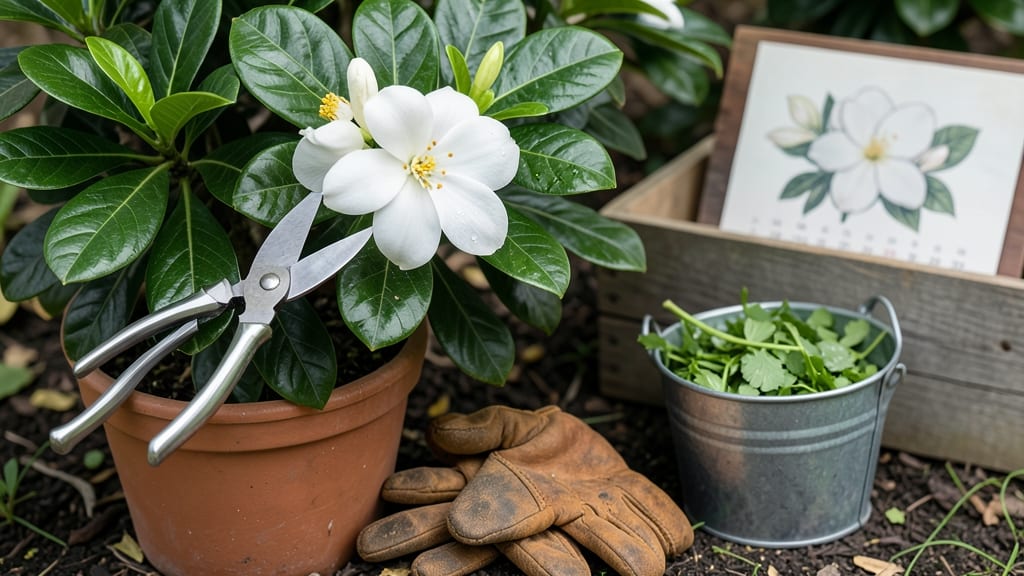
Pruning gardenias at the right time—late winter or early spring—is the secret to year-round blooms and lush foliage 🌸.
Struggling to keep your gardenias blooming beautifully year after year? The secret isn’t just when you prune—it’s mastering the late winter timing that transforms your plant’s growth and flower production.
In USDA Zones 7-10, where these fragrant shrubs thrive, pruning too early risks frost damage, while waiting too long stunts new growth. I’ll show you the exact window to trim for maximum impact, plus how to adjust for warmer or cooler climates.
You’ll learn which tools to use, how to shape without overdoing it, and the one common mistake that kills blooms faster than anything else.
Why late winter pruning (February-March) maximizes gardenia blooms
If your gardenias have ever struggled to produce those fragrant blooms you love, the issue might be pruning timing. Late winter—specifically February to March—is the sweet spot for pruning gardenias because it aligns perfectly with their natural growth cycle.
During this period, gardenias enter a dormant phase after winter, preparing to burst into new growth. Pruning at this time removes old, weak branches while stimulating energetic spring blooms.
Science backs this timing too. Gardenias bloom on new wood, meaning their flowers develop on fresh growth from the current season. When you prune in late winter, you’re encouraging the plant to focus its energy on producing strong, healthy stems that will later become flower buds.
This approach can double your bloom production compared to pruning at other times of year.
Another critical reason for late winter pruning is avoiding frost damage. Pruning too early in winter can expose fresh cuts to freezing temperatures, which can kill new growth.
By waiting until February or March, you ensure the plant has enough time to heal and harden off before warmer weather arrives. This timing also helps prevent disease spread, as winter’s cooler temps reduce fungal and bacterial activity.
Let’s break down the key benefits of late winter pruning in this summary-table to help you visualize the ideal timing and its impact on your gardenias:
The late winter window (February to March) is especially critical for gardenias in USDA zones 7-10, where frost is a concern. In warmer climates like Florida or Southern California (zones 9-11), you can prune as early as January, but avoid cutting after March 15 to prevent summer stress.
For cooler zones (7-8), wait until after the last frost date, typically late March.
Pruning in late winter also gives gardenias a head start on photosynthesis. When you remove old, dense foliage, sunlight penetrates deeper into the plant, encouraging healthier leaf production. This increased foliage supports more flower buds later in the season.
Think of it like giving your gardenia a fresh start—just as you’d tidy up your garden beds before spring planting.
One common mistake is pruning too aggressively in late winter. While it’s important to remove dead or crossing branches, avoid cutting back more than one-third of the plant’s height.
Gardenias are sensitive to over-pruning, which can shock the plant and reduce flowering. Instead, focus on thinning out the center to improve airflow and light exposure.
For gardeners in USDA zone 11 or tropical regions, late winter pruning still applies, but the timing shifts slightly. Prune in January or early February to avoid the hottest summer months.
In these areas, gardenias can bloom year-round, but late winter pruning ensures the most vigorous growth and fragrant blooms during the cooler months.
To maximize results, pair your late winter pruning with a light fertilizer application in early spring. Use an acid-loving plant fertilizer (like an azalea mix) to support the new growth you’ve encouraged. This combo of pruning and feeding sets your gardenias up for a show-stopping spring display.
Remember, the goal isn’t just to trim branches—it’s to shape the plant’s future. By pruning at the right time, you’re not just maintaining your gardenia; you’re orchestrating its growth for the best possible blooms.
With this timing, your gardenias will reward you with lush foliage and intoxicating fragrance all season long. 🌸
Step-by-step late winter pruning guide: tools, techniques, and mistakes to avoid
Late winter is the perfect time to prune your gardenias because it stimulates fresh spring growth while avoiding frost damage. When done correctly, this pruning session can double your flower production next season.
The key is timing—aim for February to early March in most USDA zones 7-10, right after the last frost but before new buds form.
Before you start, gather your pruning tools. You’ll need sterilized bypass pruners (to prevent disease), gloves (gardenias have thorns!), and a sharp saw for thicker branches. Disinfect your tools with rubbing alcohol or a bleach solution to avoid spreading fungal infections between cuts.
Pro tip: Use clean, sharp tools—dull blades tear bark, inviting pests and disease.
⚠️ callout-warning
There are two main pruning techniques for gardenias: thinning and shaping. Thinning involves removing dead, crossing, or weak branches from the center of the plant to improve air circulation. Aim to open up the canopy by cutting branches back to a bud or side branch.
For shaping, trim overgrown stems to maintain a balanced silhouette, but never cut into old wood—this won’t regrow.
When making cuts, follow the 45-degree angle rule: Cut just above a bud or outward-facing leaf at a slight angle to prevent water from pooling. Avoid cutting flush with the trunk or leaving stubs, as these can rot or attract pests.
For thicker branches, make a two-step cut: First, undercut the branch, then top it off cleanly. Always work from the outside inward to avoid damaging healthy growth.
Common pruning mistakes can derail your gardenia’s health. Over-pruning (removing more than 1/3 of the plant) stresses the shrub and reduces flowering potential. Another error is cutting at the wrong time, like pruning after summer blooms—this removes next year’s flower buds!
Also, avoid pruning in wet weather, as damp conditions spread bacterial infections. Finally, never use dull or dirty tools, which can tear bark and invite disease.
After pruning, give your gardenia a light fertilizer (like a 10-10-10 acid-loving blend) to support new growth. Water deeply to help the plant recover, and mulch around the base to retain moisture.
With the right late winter pruning, your gardenia will reward you with lush foliage and fragrant blooms all summer long.