
Vegetables
Understanding Boise's garden zone is essential for successful planting, as it falls in USDA Hardiness Zones 6b-7a with frost-free periods from mid-April to early May and first frosts in late October. Local microclimates can shift planting windows by 2-4 weeks, so always consider sun exposure, elevation, and wind patterns when choosing plants and scheduling sowing.
Boise's USDA Hardiness Zones 6b-7a create a unique growing environment where timing matters more than you might expect. 🌱 For example, urban areas like downtown often experience heat islands that delay frost, while higher-elevation neighborhoods in the Foothills may see earlier cold snaps.
This means your garden's microclimate can determine whether your tomatoes thrive or your peppers bolt prematurely. I always recommend testing soil temperatures in your specific spot—cold soil delays germination even if air temperatures seem ideal.
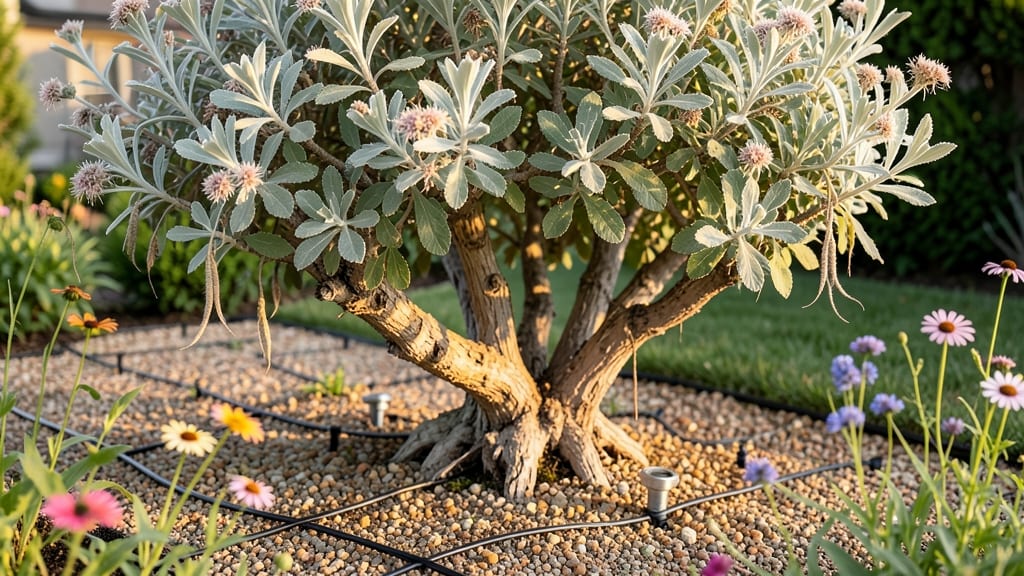
Beyond frost dates, Boise's dry climate and low humidity create challenges for moisture-sensitive plants. Native species like Russian olive and blue grama grass handle these conditions beautifully, while vegetables like Swiss chard and kale become my go-to choices for their heat tolerance.
The key is matching plants to your microclimate's specific conditions—whether that's extra mulch for exposed areas or afternoon shade for urban heat pockets.
💡 In This Article
- How Boise’s Microclimates Affect Plant Survival
- Best Plants for Boise’s Zone 6b-7a Climate
How Boise’s microclimates affect plant survival
Boise’s landscape creates dramatic temperature variations within just a few miles, where urban heat islands can make downtown areas 5-10°F warmer than surrounding rural zones.
This happens because asphalt, concrete, and buildings absorb and radiate heat during the day, while releasing it slowly at night—a phenomenon called the "urban heat effect." For example, during a 90°F summer day, downtown Boise might hit 95°F in exposed areas, while nearby green spaces stay closer to 85°F.
This shift can delay first frost in urban gardens by 1-2 weeks, allowing heat-sensitive plants like basil or tomatoes to thrive longer than expected.
The Foothills region presents another extreme, where elevation gains of just 1,000 feet can drop temperatures by 3-5°F. At 3,500 feet elevation near North End, frost dates may arrive 2-3 weeks earlier than in the Treasure Valley.
Soil temperatures also lag behind air temperatures—even when daytime highs reach 75°F, soil may only warm to 60°F, delaying germination for cool-season crops like peas or lettuce.
Wind patterns further complicate things: cold air drains into valleys at night, creating frost pockets where temperatures can plummet 15°F lower than nearby ridges.
These microclimate variations explain why a single planting calendar won’t work for all Boise gardens. For instance, while zucchini might bolt in Zone 7a areas by mid-July, it could thrive until August in downtown’s warmer microclimate. The solution?
Use soil thermometers to track when your specific spot reaches 50°F (ideal for cool crops) or 60°F (for warm-season plants). Mulching with 3-4 inches of straw can moderate soil temps by 5-10°F, while windbreaks made of bamboo or evergreens reduce frost damage by 20-30% in exposed gardens.
Water retention becomes another critical factor, as Boise’s low humidity (typically 30-40%) causes soil to dry out 30-50% faster than in coastal regions. Urban areas with impermeable surfaces exacerbate this, while gardens near the Boise River enjoy 5-10% higher moisture retention.
Native plants like serviceberry or sagebrush have evolved deep root systems to access water in these conditions, while vegetables like Swiss chard benefit from drip irrigation that delivers water directly to roots rather than leaves. The key is matching plant needs to your microclimate’s specific moisture dynamics.
Consider these neighborhood-specific adjustments:
- Downtown/Urban Core: Plant heat-tolerant varieties (e.g., Okra, Black-Eyed Peas) and use white mulch to reflect sunlight and reduce soil temps by 2-3°F
- Foothills/North End: Prioritize cold-hardy crops (e.g., Kale, Spinach) and extend seasons with row covers that add 3-5°F of protection
- Treasure Valley/Rural Areas: Focus on drought-resistant natives (e.g., Russian Olive, Blue Grama Grass) with deep taproots for water access
What most gardeners overlook is how aspect (direction a slope faces) affects microclimates. South-facing slopes in Boise can be 10-15°F warmer than north-facing ones, creating ideal spots for heat-loving plants like peppers or eggplants.
Meanwhile, north-facing gardens stay cooler—perfect for leafy greens that bolt in summer heat. By mapping your garden’s sun exposure and elevation changes, you can create zones that maximize both productivity and resilience.