
Container Gardens
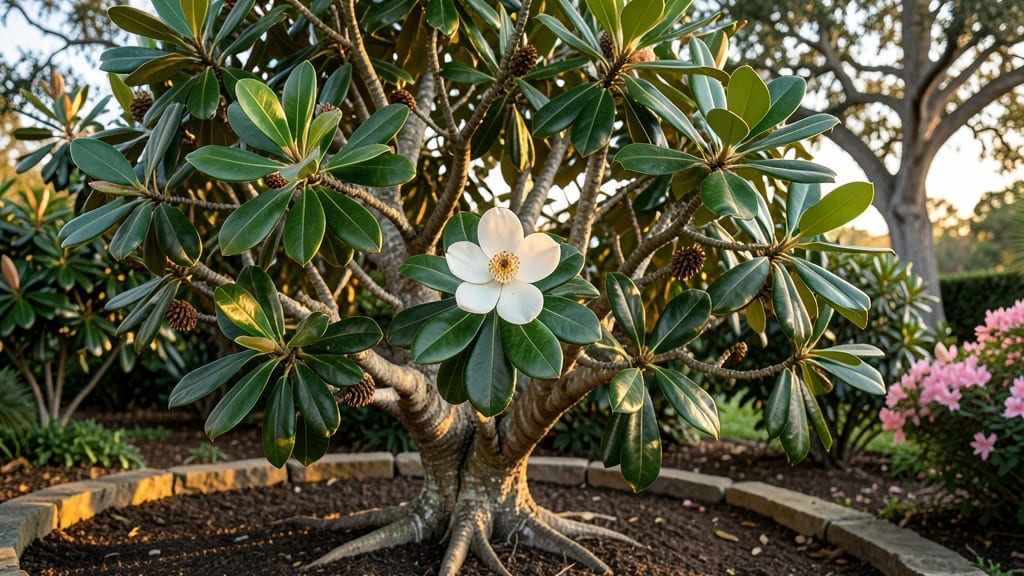
Gainesville’s botanical gardens showcase Florida’s native flora, rare orchid displays, and hidden trails like Kanapaha’s shaded groves and Paynes Prairie’s wildflower meadows, creating peaceful escapes beyond crowded pathways.
Gainesville’s botanical gardens stand out for their focus on Florida’s unique ecosystems, where you’ll find rare plants like the sabal minor palm and southern magnolia thriving in climate zones that support diverse biodiversity. 🌿 These gardens aren’t just pretty landscapes—they’re working conservation areas, with many species only found in this region.
For example, Kanapaha’s shaded groves protect delicate orchids while Paynes Prairie’s wildflower meadows bloom spectacularly in spring, offering both educational value and breathtaking scenery.
What makes these gardens special is their hidden trail system. While the main pathways are well-marked, the real magic happens when you venture off the beaten path.
I recommend starting at Kanapaha’s lesser-known boardwalk, where the humidity creates a lush, almost tropical atmosphere, then heading to the University of Florida’s botanical collections for their seasonal night walks—a completely different experience under the stars.
The key is visiting during weekday mornings to avoid crowds while still catching the gardens at their peak.
💡 In This Article
- Florida-Native Plants You’ll Only See in Gainesville’s Botanical Gardens
- Best Off-the-Beaten-Path Trails in Gainesville’s Botanical Gardens
Florida-native plants you’ll only see in Gainesville’s botanical gardens
Gainesville’s botanical gardens serve as living museums for Florida’s rare and endangered native flora, many of which thrive only in this region’s climate zone 8b.
Take the Sabal minor palm, also called the dwarf palmetto—this species grows naturally only in North Florida’s sandy soils, where its 3-5 foot height and fan-shaped fronds create a distinctive skyline. 🌿 Unlike its taller cousins, this palm’s shallow root system makes it uniquely adapted to Gainesville’s humid subtropical climate, where summer temperatures average 90°F and winter lows rarely drop below 30°F.
The southern magnolia (Magnolia virginiana) is another star species, with its leathery, evergreen leaves and cup-shaped white flowers that release a sweet, spicy fragrance in spring.
What’s fascinating is how these trees use their thick, waxy leaf coating to resist the region’s frequent afternoon thunderstorms—a survival tactic that’s visible when you run your fingers across the leaves.
These magnolias also play a crucial role in local ecosystems by providing habitat for 12 species of birds and 3 types of butterflies, including the rare Palamedes swallowtail.
Seasonal blooms transform these gardens into ever-changing canvases. In March-April, the coontie palm (Zamia integrifolia) produces purple cones that resemble cycads, while Florida’s state flower, the yellow jessamine (Gelsemium sempervirens), blankets fences in golden cascades.
The real secret to these displays? The gardens’ controlled irrigation systems that mimic Florida’s natural wet-dry cycles, ensuring plants receive 1-2 inches of water weekly during dry seasons—a precise balance that prevents both drought stress and fungal growth.
Conservation efforts here go beyond aesthetics. At Kanapaha, for example, gardeners propagate endangered plants like the Florida torreya (Torreya taxifolia) using tissue culture techniques in sterile labs, where scientists grow 100+ seedlings annually to reintroduce to wild populations.
What’s often overlooked is how these gardens serve as climate change research sites—tracking which native species adapt to rising temperatures and which require intervention. The University of Florida’s botanical collections even maintain a seed bank with 500+ native plant varieties, ensuring genetic diversity survives despite habitat loss.
For visitors, the best way to experience these plants is through guided eco-tours offered in November and February, when docents point out invasive species vs. natives and explain how to create similar habitats in home gardens.
A pro tip: Visit the Biltmore Estate’s native plant nursery in early spring to buy $10 saplings of Florida-friendly species—many of which are drought-resistant once established.
What most people don’t realize is how these gardens interact with local wildlife. The Paynes Prairie Preserve’s wildflower meadows, for instance, support 20+ species of pollinators, including the rusty patched bumblebee, a federally endangered species.
These connections make Gainesville’s botanical gardens far more than pretty landscapes—they’re working ecosystems where every plant plays a role in the region’s survival. 🌱