
Tools
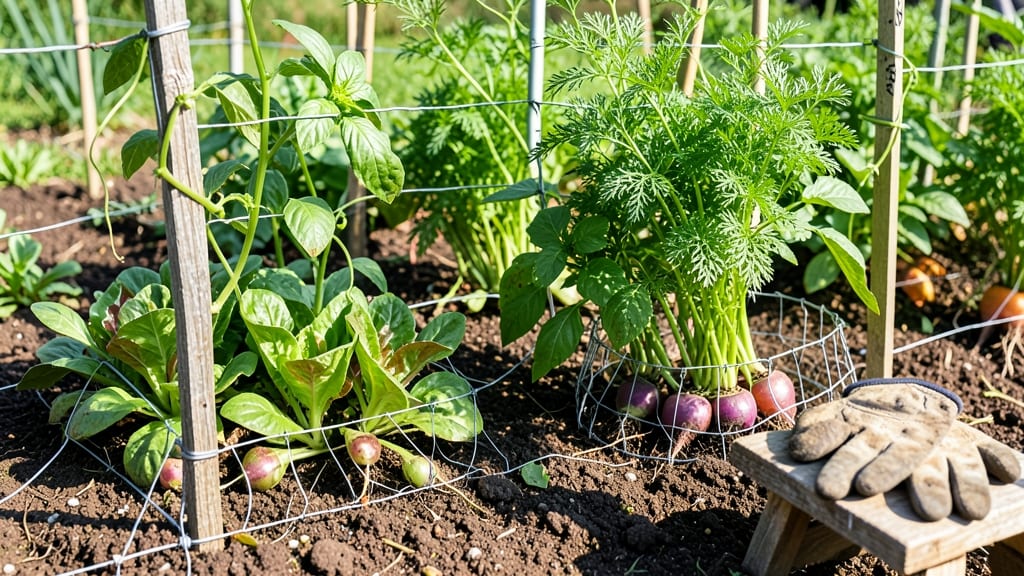
A chicken wire vegetable garden is the secret weapon for gardeners battling hungry rabbits—without resorting to harm or expensive fencing.
Picture this: you’ve spent weeks nurturing your 🥕 vegetable garden, only for rabbits to munch through your baby lettuce like it’s a salad bar. Chicken wire solves this problem with a humane, budget-friendly barrier that’s easy to install and adapt to any garden size.
Beyond pest control, chicken wire can also create trellises for climbing veggies, define raised beds, or even add a rustic charm to your layout. The best part? It’s reusable, lightweight, and won’t break the bank.
In this guide, I’ll walk you through 5 creative layouts to keep rabbits out while keeping your garden looking—and growing—its best. Let’s get started!
5 Chicken wire vegetable garden layouts to stop rabbit damage
Rabbits can devastate your vegetable garden in a single night, but chicken wire provides a humane, cost-effective solution that keeps them out without harm. The key is designing layouts that blend functionality with aesthetics, so your garden stays protected while looking intentional.
Below are five proven designs, each tailored to different garden sizes and plant types, with step-by-step assembly tips and material estimates.
Before diving in, remember: chicken wire (1-inch mesh) is ideal for rabbits—small enough to deter them but large enough for airflow and easy maintenance. For larger gardens or aggressive pests, consider double-layered wire or bending it outward at the base to discourage digging.
Always bury the bottom 6 inches deep or secure it with stakes to prevent rabbits from tunneling underneath.
🌱
For small gardens, the raised bed cage is my go-to design. Start with a 4x8-foot wooden frame (or repurpose old lumber) and line the inside with chicken wire, securing it with zip ties every 12 inches.
This creates a portable, rabbit-proof enclosure that’s perfect for leafy greens like lettuce or herbs like basil. Add 4 wooden stakes at the corners to reinforce the structure and prevent collapse. The wire should extend 12 inches above the bed to stop rabbits from jumping in.
If you’re protecting a larger in-ground garden, the perimeter barrier is the most effective. Use T-posts every 6 feet along the garden’s edge and staple the wire tightly between them. For extra security, bend the wire outward at the base to create a flared barrier that deters digging.
This layout works well for row crops like carrots or beets, where rabbits can easily access plants from the sides. Pro tip: leave a small access door (covered with a zippered mesh pocket) for easy maintenance.
🌿
Urban gardeners with limited space will love modular planter boxes. Build 2x2-foot wooden boxes and line the inside with chicken wire, leaving the top 2 inches open for planting.
Secure the wire to the bottom and sides with staples or zip ties, then place the boxes on elevated stands (like bricks or cinder blocks) to keep rabbits from chewing through the wire from below. These are ideal for tomatoes, peppers, or dwarf varieties that need support.
For vining plants like peas, cucumbers, or pole beans, the trellis tunnel is a game-changer. Create a low arch using 6 stakes in a semi-circle, then weave chicken wire between them to form a tunnel.
Train the vines to grow upward, and the wire doubles as a support structure. This design also deters rabbits while maximizing vertical space. Use garden twine to loosely secure the wire to the stakes—tight enough to keep rabbits out but loose enough for airflow.
In high-risk areas where rabbits are persistent diggers, the underground buried barrier is your best defense. Dig a 6-inch-deep trench around the garden’s perimeter and lay chicken wire at the bottom. Cover it with landscape fabric to prevent soil from clogging the mesh, then backfill the trench.
This method is invisible once planted but highly effective for root vegetables like potatoes or radishes. Pair it with an above-ground wire fence for extra protection.
🪴
When assembling any of these layouts, measure twice and cut once—chicken wire is easier to work with when it’s the right size. For long-term durability, use galvanized wire (it won’t rust) and replace stakes every 1-2 years as they degrade.
If aesthetics are a concern, weave in climbing plants like morning glories or sweet peas to camouflage the wire while adding beauty. And always check for gaps after heavy rain or wind—rabbits will exploit even the smallest opening!
How to install chicken wire without sacrificing garden aesthetics
Chicken wire is a gardener’s secret weapon against hungry rabbits, but its industrial look can clash with your cottage-style garden. The good news? With a few clever tricks, you can install it discreetly while keeping your garden functional and beautiful.
The key is blending it into your landscape using natural elements and strategic placement.
Start by choosing the right type of chicken wire—1-inch mesh is ideal for rabbit protection because it’s sturdy yet flexible. Avoid larger gaps, which rabbits can squeeze through. For aesthetics, focus on vertical installations (like trellises) or underground burial techniques that minimize visibility.
These methods keep the wire out of sight while still providing the protection your plants need.
- 1. Vertical Trellis Wrap: Weave chicken wire around decorative trellises or bamboo stakes. Use climbing plants like morning glories or clematis to mask the wire entirely as they grow.
- 2. Underground Burial: Bury the wire 6-8 inches deep along garden edges. This hides it completely while still blocking rabbits from digging in. Mark the area with mulch or stones for a polished look.
- 3. Living Barrier: Plant dense shrubs or hedges (like boxwood or lavender) in front of the wire. The foliage will obscure the wire while adding texture and fragrance to your garden.
- 4. Decorative Stakes: Use painted wooden stakes or metal posts to anchor the wire. Choose colors that match your garden’s palette, like terracotta or black, for a cohesive look.
- 5. Modular Panels: Create freestanding wire panels and conceal them behind ornamental grasses or tall perennials. This works well for raised beds or perimeter protection.
When installing, prioritize airflow and accessibility. Avoid burying wire too deep near plant roots, as it can restrict growth. Instead, use J-shaped stakes to secure the wire at the base of plants, keeping it hidden but removable for maintenance. For raised beds, attach the wire to the underside of the frame—this keeps it out of sight while still deterring pests.
Another pro tip: Seasonal camouflage works wonders. In spring, let fast-growing vines like sweet peas or nasturtiums climb the wire. By summer, the greenery will fully disguise it.
For winter, add evergreen boughs or ornamental grasses to maintain a tidy appearance. This dual-layer approach ensures your garden stays protective and picturesque year-round.
Don’t forget to test your setup before planting. Walk around your garden and check for visible gaps or unsightly sections. Adjust as needed—perhaps adding more plants or adjusting stake placement. The goal is to create a seamless barrier that feels intentional, not like an afterthought.
With these techniques, your chicken wire will blend right in, keeping both your plants and your garden’s charm safe.