
Tools
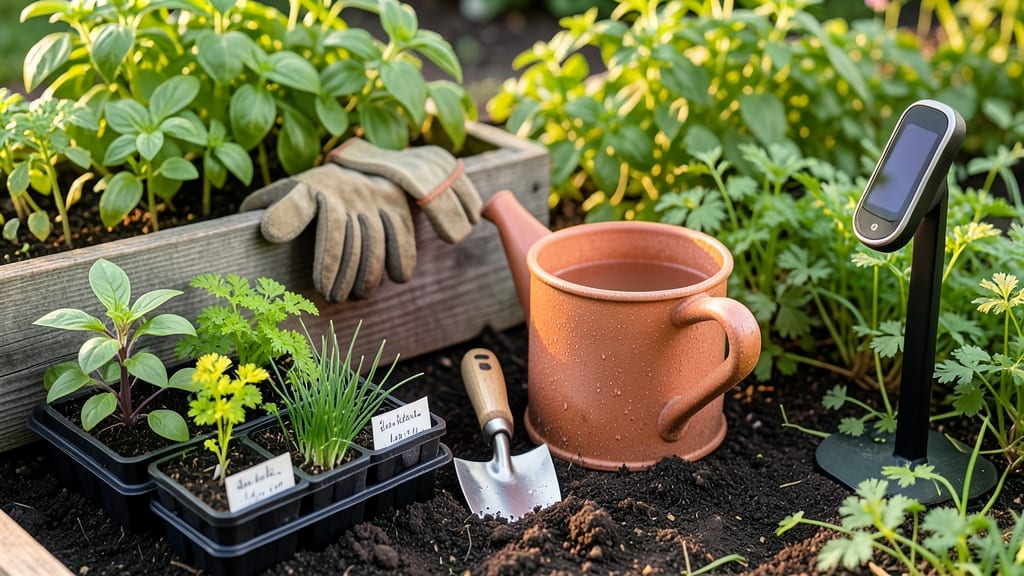
Gardening does count as exercise, functioning as moderate physical activity that burns 200–400 calories per hour depending on intensity—tasks like digging, hauling soil, and weeding match the effort of brisk walking or light yard work. It builds strength, enhances flexibility, and improves cardiovascular health when practiced consistently.
Gardening actually packs a surprising punch when it comes to fitness. 🌱 The key lies in how you engage your body—lifting heavy pots, pushing a wheelbarrow, or even bending to pull weeds all activate multiple muscle groups simultaneously.
Unlike passive activities, gardening combines strength training with aerobic movement, making it a full-body workout. I’ve seen people who treat gardening as light labor burn nearly as many calories as someone jogging at a moderate pace, especially when they add variety like climbing ladders or carrying bulkier materials.
What makes gardening unique is its adaptability. You can adjust the intensity to match your fitness level—whether that means planting flowers at a leisurely pace or turning your yard into a high-intensity training ground with heavy mulching and vigorous pruning.
The beauty of it? You’re getting real physical benefits while enjoying fresh air and the satisfaction of growing something yourself. Plus, studies show regular gardening can reduce stress hormones, giving you a mental boost alongside the physical one.
💡 In This Article
- How Gardening Compares to Other Physical Activities
- Maximizing Gardening’s Exercise Benefits
How gardening compares to other physical activities
Gardening actually delivers a workout comparable to many structured exercises, but with a unique twist. Tasks like digging and hauling soil can burn 300–400 calories per hour—similar to a brisk walk or light jog. The key difference?
Gardening engages your entire body through resistance and varied movements, unlike the repetitive motions of running on a treadmill. For example, pushing a 50-pound wheelbarrow for 10 minutes works your legs, core, and arms simultaneously, much like circuit training.
Let’s break down the calorie burn by common gardening activities. Weeding and raking typically burn 200–300 calories per hour, akin to leisurely cycling, while more intense tasks like pruning thick branches or carrying heavy pots can push you into the 400+ calorie range.
This places gardening in the "moderate" exercise category, right alongside activities like swimming laps or playing doubles tennis. What’s fascinating is how these tasks combine cardiovascular effort with strength-building—digging strengthens your back and shoulders, while bending to plant seeds improves flexibility and balance.
The intensity of your gardening session directly impacts the health benefits. A 30-minute session of vigorous weeding and hauling can elevate your heart rate to 50–70% of your max, improving cardiovascular endurance over time. This mirrors the benefits of a 30-minute jog, but with added muscle engagement.
Unlike gym workouts, gardening’s irregular, functional movements help improve real-world mobility—think squatting to plant seeds or reaching overhead to prune, which enhances joint health and coordination.
Here’s where gardening outshines many traditional exercises: it’s a low-impact activity that’s easier on joints than running or jumping. The repetitive motions of raking or hoeing can actually strengthen tendons and ligaments over time, reducing injury risk.
Plus, the mental engagement of tending to plants adds a cognitive benefit—studies show gardening can lower cortisol levels by up to 24%, making it a stress-relieving workout.
Unlike a treadmill, where progress is measured in miles, gardening’s rewards are visible: the plants you nurture become tangible proof of your effort.
For comparison, let’s look at structured exercises. A 60-minute weightlifting session burns roughly 250–350 calories, but gardening’s functional movements often yield higher calorie expenditure because they’re less controlled. For instance, lifting a 30-pound bag of mulch repeatedly engages stabilizing muscles that free weights might miss.
The beauty? You’re getting a full-body workout without ever setting foot in a gym—just add a 10-minute stretch session before or after to maximize flexibility gains.
What most people don’t realize is how gardening’s asymmetrical movements (like reaching to trim one side of a bush) improve functional fitness—the kind that helps with daily tasks.
These irregular motions challenge your body in ways that symmetrical exercises (like lifting dumbbells) don’t. For example, twisting to pull weeds works your obliques and hips, mimicking the rotational movements needed for sports like golf or tennis. 🌿