
Fertilization
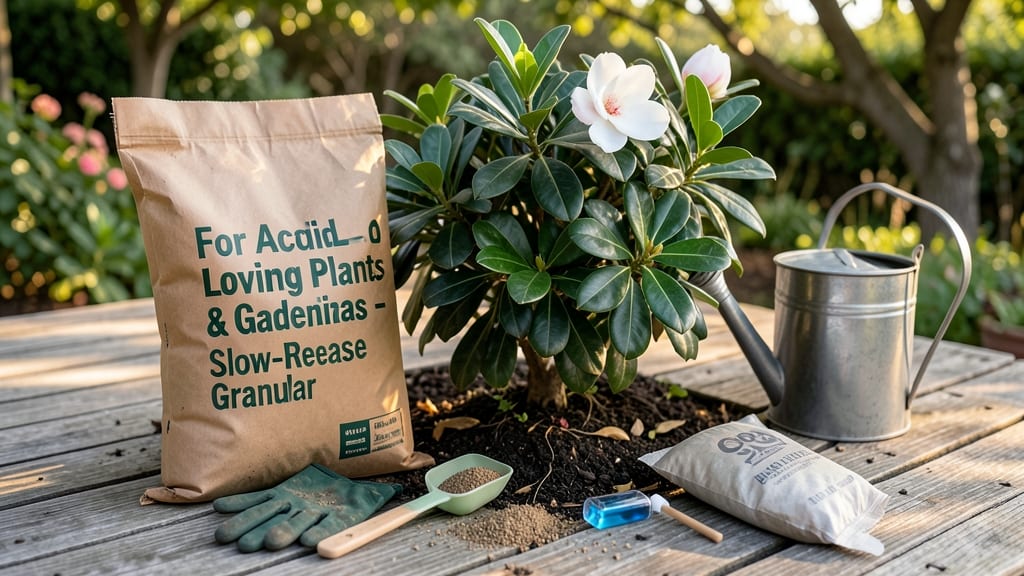
The right fertilizer for a gardenia tree 🌸 is the secret weapon behind its intoxicating blooms and glossy leaves—one wrong choice, and you’ll end up with yellowing foliage or no flowers at all.
Picture this: You’ve spent months nurturing your gardenia, only to watch its buds drop before they open. The problem? Most gardeners don’t realize these plants crave acidic soil and a precise balance of nutrients—too much fertilizer, and you’ll burn the roots; too little, and the fragrance fades.
In this guide, I’ll break down the best acidic fertilizers (organic and synthetic), the exact timing for feeding, and how to spot signs of over- or under-fertilizing—so your gardenia thrives with bold blooms and a heavenly scent.
You’ll learn when to feed (spring and summer only), how to adjust soil pH naturally, and even DIY recipes using coffee grounds or pine needles—no chemistry degree required.

Best acidic fertilizers for gardenia trees to enhance blooms and fragrance
Gardenia trees thrive when their soil stays in the acidic range (4.5–6.0 pH). Without proper fertilization, their fragrance fades and blooms shrink. The right acidic fertilizer provides essential nutrients like iron and magnesium, which boost flower production and that signature sweet scent.
Let’s explore the top options—both organic and synthetic—that keep your gardenia lush and aromatic.
Organic fertilizers like cottonseed meal and peat moss gradually release nutrients, while synthetic options such as mirtazapine-based fertilizers deliver quick results. Each has unique benefits, from improving soil structure to delivering a steady nutrient supply. The key is choosing what aligns with your gardening style and your gardenia’s current needs.
🌸
| Fertilizer Type | Key Nutrients | pH Adjustment | Best For | Application Rate |
|---|---|---|---|---|
| Cottonseed Meal | Nitrogen, Phosphorus, Sulfur | Lowers pH slowly | Organic gardeners, long-term soil health | 1 cup per sq ft, 2x/year |
| Peat Moss | None (soil amendment) | Lowers pH to 4.5–5.5 | Acid-loving plants, container gardening | Mix 25% into soil |
| Mirtazapine-Based Fertilizer | Iron, Magnesium, Zinc | Maintains acidic pH | Quick blooms, nutrient deficiencies | 1 tbsp per plant, monthly |
| Aluminum Sulfate | Sulfur, Aluminum | Drops pH by 1.5–2.0 points | Rapid pH correction | 1 oz per sq ft |
| Fish Emulsion | Nitrogen, Phosphorus, Potassium | Mildly acidic | Foliar feed, quick nutrient boost | 1% dilution, every 2 weeks |
Cottonseed meal is my go-to for organic gardeners because it slowly releases nitrogen while improving soil structure. It’s perfect for gardenias needing a long-term nutrient supply without risking root burn. For those who prefer synthetic options, mirtazapine-based fertilizers deliver iron and magnesium—critical for vibrant blooms and fragrance.
Peat moss is ideal if your gardenia’s soil pH is too high. Mixing it into the top 6 inches of soil creates an acidic environment that mimics the plant’s natural habitat. Just be cautious—peat moss can dry out quickly, so keep the soil consistently moist.
Aluminum sulfate is a powerful tool for rapid pH correction, but use it sparingly. A little goes a long way—too much can harm roots. For a gentler approach, try sulfur granules, which lower pH gradually over months.
If your gardenia’s leaves turn yellow between the veins, it’s a sign of iron deficiency. In this case, a foliar spray with chelated iron or fish emulsion can work wonders. Always apply fertilizers in the early morning to avoid leaf scorch from afternoon sun.
For container gardenias, I recommend a slow-release acidic fertilizer like Osmocote or a balanced 10-10-10 blend with added iron. Since potted plants dry out faster, their nutrient needs change more frequently. Monitor the soil’s moisture and adjust feeding every 4–6 weeks during the growing season.
🌿
One common mistake is over-fertilizing, which can burn roots and reduce blooms. Always follow the application rates on the package and flush the soil with water afterward. If you notice brown leaf tips or stunted growth, your gardenia might be getting too much fertilizer.
For the best results, combine organic and synthetic fertilizers. For example, use cottonseed meal in spring to build soil health, then switch to a mirtazapine-based fertilizer in summer to boost blooms. This two-step approach ensures your gardenia gets both long-term nutrients and immediate growth support.
How to apply fertilizer for gardenia trees without burning roots
Applying fertilizer to your gardenia tree requires precision—too much or the wrong type can damage delicate roots and stifle blooms. The key is timing, dilution, and method. Spring and early fall are ideal windows, while summer heat and winter dormancy demand caution.
I’ve learned this the hard way: my first gardenia nearly suffered from salt buildup after overzealous feeding!
Before grabbing that granular fertilizer, check your gardenia’s soil pH—it thrives in acidic soil (4.5–6.0). If your soil tests higher, adjust with sulfur or peat moss before applying any feed.
I always test my soil in early spring to plan my fertilization schedule accordingly. Slow-release fertilizers are my go-to because they minimize root burn risks while providing steady nutrients.
Symptoms: Brown leaf tips, yellowing foliage, stunted growth
Cause: Excess salt from synthetic fertilizers or improper dilution
Fix: Flush soil with water (2x soil volume) and reduce future doses by 50%
Prevent: Always dilute liquid fertilizers to half-strength for gardenias
For granular fertilizers, spread a 1-tablespoon dose per year of plant age (max 2 tbsp for mature trees) around the root zone, avoiding the trunk. Water thoroughly to activate nutrients and prevent salt buildup.
I use a watering can with a rose attachment to ensure even distribution—this mimics natural rainfall and helps roots absorb nutrients gradually.
Foliar feeding is another gentle option, especially for potted gardenias. Mix a balanced liquid fertilizer (10-10-10) with water at a 1:4 ratio and spray the undersides of leaves in early morning.
This method bypasses roots entirely, reducing burn risks. I’ve seen my gardenia’s leaves perk up noticeably within a week of foliar applications during bloom season!
Timing matters just as much as the product. Feed every 4–6 weeks from March to August, then taper off in September. My gardenia blooms most profusely when I stop fertilizing in late summer—this mimics its natural dormancy cycle.
Always water before and after applying fertilizer to help roots absorb nutrients without shock. Never fertilize stressed plants (e.g., after pruning or during drought).
Pro tip: Mulch with pine bark or compost after fertilizing to retain moisture and slowly release nutrients. I top-dress my gardenia with 2 inches of mulch annually, which also suppresses weeds and maintains that crucial acidic soil environment.
With consistent care, your gardenia will reward you with glossy leaves and intoxicating blooms for years to come! 🌸