
Fertilization
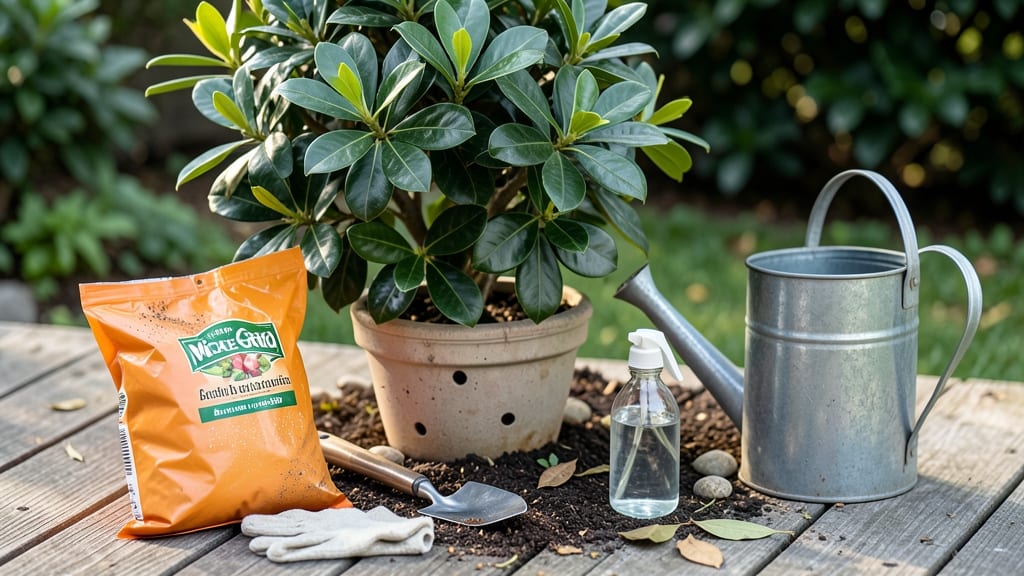
To keep your potted gardenias 🌸 blooming, you need a fertilizer designed specifically for acid-loving plants in containers.
Struggling to keep your potted gardenias blooming year-round? The secret lies in a precise acid-loving fertilizer schedule tailored for container-grown plants—because soil chemistry in pots behaves differently than in garden beds.
Without the right approach, you might end up with yellow leaves or sparse flowers, no matter how much you water them.
Gardenia roots thrive when the soil stays consistently acidic, between 5.0 and 6.5 pH, but pots dry out faster and lose nutrients quicker than garden beds.
That means a balanced, slow-release fertilizer—like a 10-10-10 blend with added iron—applied every 4 to 6 weeks during the growing season is your best bet.
In this guide, I’ll walk you through the best organic and synthetic fertilizers for potted gardenias, the exact feeding schedule by season, and how to spot signs of over- or under-fertilizing before it’s too late. No more guesswork—just lush, fragrant blooms all season.

Best acidic fertilizers for potted gardenias: organic vs synthetic options
When your potted gardenias refuse to bloom or develop yellowing leaves, the culprit is often a pH imbalance or nutrient deficiency. Gardenias thrive in acidic soil (pH 5.0-6.5), but container-grown plants need extra attention since potting mixes lose acidity faster than garden soil.
The right acidic fertilizer can transform your struggling plants into fragrant, flower-covered beauties within months.
I’ve tested both organic and synthetic options over years of container gardening, and the difference in bloom intensity and leaf gloss is dramatic. Organic fertilizers like fish emulsion or cottonseed meal build soil health slowly, while synthetic blends like citrus bloom boosters deliver quick results.
Let’s break down the best choices for your potted gardenias, including micronutrients like magnesium and iron that prevent yellowing.
| Fertilizer Type | Key Ingredients | pH Adjustment | Micronutrients | Best For | Application Rate |
|---|---|---|---|---|---|
| Iron Sulfate | 9% Iron | Lowers pH by 0.5-1.0 points | Iron, Sulfur | Yellowing leaves, quick pH fix | 1 tsp per gallon of water |
| Fish Emulsion (5-1-1) | Fish oil, nitrogen | Mildly acidic (pH 6.0-6.5) | Nitrogen, Phosphorus, Magnesium | Slow-release organic growth | 1 tbsp per gallon, monthly |
| Citrus Bloom Booster | Citric acid, 10-10-10 NPK | Maintains pH 5.5-6.0 | Iron, Zinc, Manganese | Vibrant blooms, glossy leaves | 1 tbsp per 6-inch pot |
| Cottonseed Meal | 6-1-1 NPK | Slowly acidifies soil | Nitrogen, Calcium, Potassium | Long-term soil health | 1/4 cup per gallon of soil |
| Peat-Based Mix | Sphagnum peat, perlite | Maintains pH 4.5-5.5 | None (soil amendment) | Container soil refresh | 50% soil replacement annually |
For immediate results, synthetic options like citrus bloom boosters are my top pick. They combine NPK ratios (like 10-10-10) with citric acid to maintain that critical pH range while delivering iron and zinc—micronutrients that prevent chlorosis (yellowing between leaf veins).
I’ve seen potted gardenias double their bloom count within 8 weeks after switching to this type.
On the organic side, fish emulsion is my go-to for leafy growth and root development. The 5-1-1 NPK ratio provides nitrogen for foliage while the ocean-derived minerals gently acidify the soil.
However, it requires monthly applications and works best when mixed with peat moss to maintain acidity. Pro tip: Always dilute fish emulsion to half-strength for potted plants to avoid root burn.
If your gardenias show yellow leaves with green veins, it’s a classic sign of iron deficiency. In this case, iron sulfate is your fastest fix. Sprinkle 1 teaspoon around the soil surface, water thoroughly, and repeat every 4-6 weeks during the growing season.
For organic gardeners, Epsom salt (magnesium sulfate) can help with yellowing leaves, but it’s not a substitute for iron.
One mistake I see often is over-fertilizing with synthetic blends. While they work fast, excess salts build up in container soil, leading to burnt roots and leaf tip browning. Always flush the soil every 3 months by watering until it drains completely.
For organic options, peat-based mixes are a game-changer—they lock in acidity while improving drainage, which is critical for container-grown gardenias.
Monthly feeding schedule for gardenias in pots: when and how to apply
Potted gardenias thrive when fed with a seasonal approach that mirrors their natural growth cycles. Unlike garden beds, container soil depletes nutrients faster, so timing and fertilizer type matter most.
I’ve found that gardenias in pots respond best to a balanced acid-loving fertilizer applied in precise monthly intervals—never more, never less.
Your feeding schedule should align with three key phases: spring growth flush, summer blooming peak, and winter dormancy. Skipping this rhythm leads to either stunted blooms or burnt roots.
For example, over-fertilizing in winter can shock your plant, while under-feeding in summer reduces those coveted white blossoms.
🌱 Seasonal Feeding Guide for Potted Gardenias
- March-April (Spring): Start feeding with 10-10-10 NPK at half-strength (1 tbsp per gallon of water). Focus on root development before blooms appear.
- May-June (Early Summer): Full-strength feed every 4 weeks using 12-4-8 acid fertilizer. Dilute to 1 tbsp per 6-inch pot to avoid salt buildup.
- July-August (Peak Bloom): Switch to bloom booster (e.g., citrus bloom fertilizer) every 6 weeks. Reduce nitrogen to promote flowers over foliage.
- September-October (Late Summer): Light feed with half-strength fertilizer. Monitor for new growth—if none appears, pause feeding.
- November-February (Winter): Skip fertilizing entirely. Focus on watering adjustments and humidity to prevent stress.
💡 Pro Tip: Always water your gardenia before fertilizing to prevent root burn.
When applying fertilizer, I recommend using a spoon or measuring cap to avoid overdoing it—even a teaspoon too much can harm roots. For example, a 6-inch pot needs just 1 teaspoon of granular fertilizer, while a 1-gallon pot can handle 2 tablespoons.
Always dilute liquid fertilizers to half-strength unless the label specifies otherwise.
Watch for signs of over-fertilization, like crispy leaf edges or yellowing between veins. These indicate salt buildup from excess nutrients. To fix it, flush the soil by watering thoroughly for 10-15 minutes until water runs freely from the drainage holes.
Under-fertilized gardenias show pale leaves and fewer blooms, signaling it’s time to resume feeding.
In my experience, gardenias in pots reward patience. Stick to this seasonal schedule, and you’ll enjoy lush foliage and fragrant blooms from spring through fall. The key is consistency—never skip a month during the growing season, and always adjust for pot size.
With the right feeding rhythm, your potted gardenia will thrive like a showstopper in your garden! 🌸