
Picking
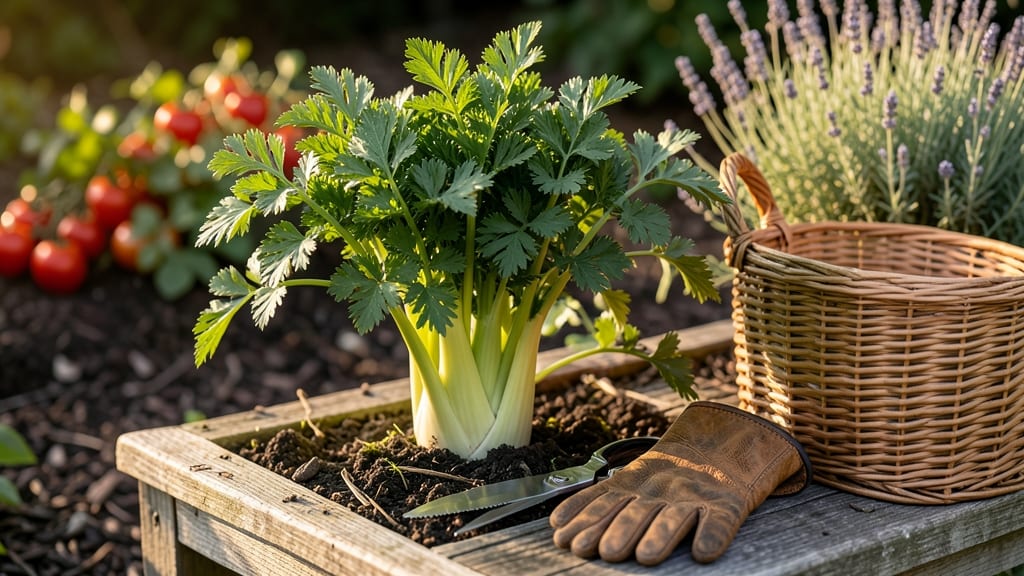
Harvesting garden celery at the right time turns your crisp 🥬 stalks into the freshest, most flavorful addition to your kitchen.
Nothing beats the crisp, fresh taste of homegrown celery—if you know exactly when and how to harvest it. Timing is everything, and even a day too early or too late can turn your garden’s best effort into a limp, flavorless disappointment.
You’ll learn how to spot the perfect moment when stalks reach 12-18 inches and leaves are dark green, plus the best cutting techniques to keep your celery producing for weeks. Avoid common mistakes like overwatering or cutting too close to the base, which can ruin your harvest.
From storage tips to creative ways to use your freshly picked celery, this guide ensures you get the most out of your hard work—without wasting a single crunchy bite.
When to harvest garden celery for peak flavor and crunch
Harvesting garden celery at the right moment transforms your garden into a crisp, flavorful treasure trove. Unlike store-bought celery, homegrown varieties pack maximum crunch and a sweeter taste when picked at the perfect stage.
The key lies in watching for maturity indicators—like stalk thickness and leaf color—that signal peak readiness. Miss these cues, and you risk harvesting celery that’s either too fibrous or already past its prime.
Celery thrives in cool-season gardens, making early spring and fall the ideal harvest windows. In USDA Zone 6a, aim for harvests between June-July (spring planting) or October-November (fall planting).
These months align with celery’s 120-day growth cycle, ensuring you capture that perfect balance of crunch and tenderness. Understanding these seasonal rhythms helps you plan ahead for a steady supply of fresh, homegrown celery.
One of the biggest mistakes gardeners make is harvesting celery too early. When stalks are under 6 inches tall or leaves appear wilted or pale, the plant hasn’t developed its signature crisp texture or sweet flavor.
These early harvests often result in bitter, stringy celery that’s barely recognizable as the fresh, crunchy vegetable you’re aiming for. Always wait until stalks reach 12–18 inches and the base measures about 1 inch in diameter.
Overripe celery is another common pitfall, often signaled by yellowing outer leaves or stalks that feel woody and tough. At this stage, the flavor becomes harsh and bitter, and the texture loses its signature snap.
To avoid this, monitor your celery plants closely and harvest before these signs appear. If you notice a few outer leaves turning yellow, it’s time to act—cut the entire plant and enjoy your harvest before it declines further.
Seasonal timing plays a crucial role in celery’s flavor and texture. In spring plantings, aim to harvest in late spring to early summer when temperatures are mild. For fall plantings, harvest in autumn before the first frost hits.
Celery is a cool-weather crop, so it struggles in hot summer conditions, which can cause bolting or bitterness. By aligning your harvest with these seasonal windows, you’ll ensure the best possible flavor and crunch.
For perennial celery varieties, you can encourage multiple harvests by cutting the outer stalks first, leaving the inner ones to mature. This selective harvesting method extends your celery supply and gives you a steady stream of fresh produce.
Just be sure to leave at least one-third of the stalks intact to allow the plant to regenerate. This technique works best in mild climates where celery can continue growing through multiple seasons.
If you’re growing celery in containers or raised beds, pay extra attention to stalk thickness and leaf color, as these can be more variable in confined spaces. Container-grown celery may mature slightly faster due to limited root space, so check for readiness 1–2 weeks earlier than in-ground plants.
Always ensure your containers have well-draining soil and consistent moisture to support healthy growth and optimal harvest timing.
To test for readiness, gently squeeze a stalk near the base. If it feels firm and crisp, it’s ready to harvest. If it feels soft or spongy, wait a few more days. This simple test helps you avoid harvesting celery that’s past its prime.
Once you’ve confirmed readiness, use a sharp knife or pruning shears to cut the stalks at the base, leaving about 1 inch of stem to encourage regrowth.
Remember, the goal is to harvest celery when it’s at its peak flavor and crunch. By paying attention to these maturity indicators and seasonal cues, you’ll enjoy homegrown celery that’s far superior to anything you can buy in the store. Happy harvesting! 🥬✂️🌱
Step-by-step guide to harvesting celery without damaging the plant
Harvesting celery the right way makes all the difference between a crisp, flavorful stalk and a wilted mess. The key is cutting—not pulling—to preserve the plant’s ability to regrow for future harvests.
With the right tools and techniques, you can enjoy fresh celery for weeks, even from a single plant. Let’s dive into the proper method to harvest without harming your garden’s hard work.
Before you grab your shears, gather the essentials: a sharp knife or pruning shears, clean hands, and a bucket of cool water to rinse your harvest. Avoid harvesting on hot afternoons, as the stalks can become limp and lose their crispness.
Early morning is ideal when the plant is hydrated and firm. Now, let’s walk through the step-by-step process to ensure you harvest like a pro.
How to Harvest Celery Without Damaging the Plant
- 1 Choose the right stalks: Select outer stalks first to avoid overcrowding. Look for stalks that are 12-18 inches tall with a firm, white base.
- 2 Use sharp shears or a knife: Cut the stalk 1-2 inches above the base at a 45-degree angle. This prevents water from pooling and causing rot.
- 3 Avoid cutting at the base: Leave at least 2 inches of stalk to encourage regrowth. This allows the plant to produce more stalks for future harvests.
- 4 Rinse and store immediately: Rinse the stalks in cool water to remove dirt, then store them in a plastic bag with a damp paper towel in the fridge.
- 5 Encourage regrowth: After harvesting, water deeply and apply a balanced fertilizer (like 5-10-10) to promote new growth. With care, you can harvest multiple times per season.
One of the biggest mistakes gardeners make is pulling celery instead of cutting it. This uproots the plant, making it difficult to regrow. Always use a clean, sharp tool to make precise cuts.
If you notice the stalks becoming woody or bitter, it’s a sign the plant is overmature and past its prime for harvesting.
After harvesting, keep an eye on your celery plant. If it looks healthy and vibrant, it’s ready for another round in about 4-6 weeks. To maximize your yield, avoid overcrowding by thinning seedlings early in the growing season.
This gives each plant enough space to develop thick, flavorful stalks for future harvests.
With these techniques, you’ll enjoy crisp, homegrown celery all season long—no limp stalks in sight! Proper harvesting not only preserves flavor but also extends your plant’s productivity. Happy harvesting! 🥬