
Tools
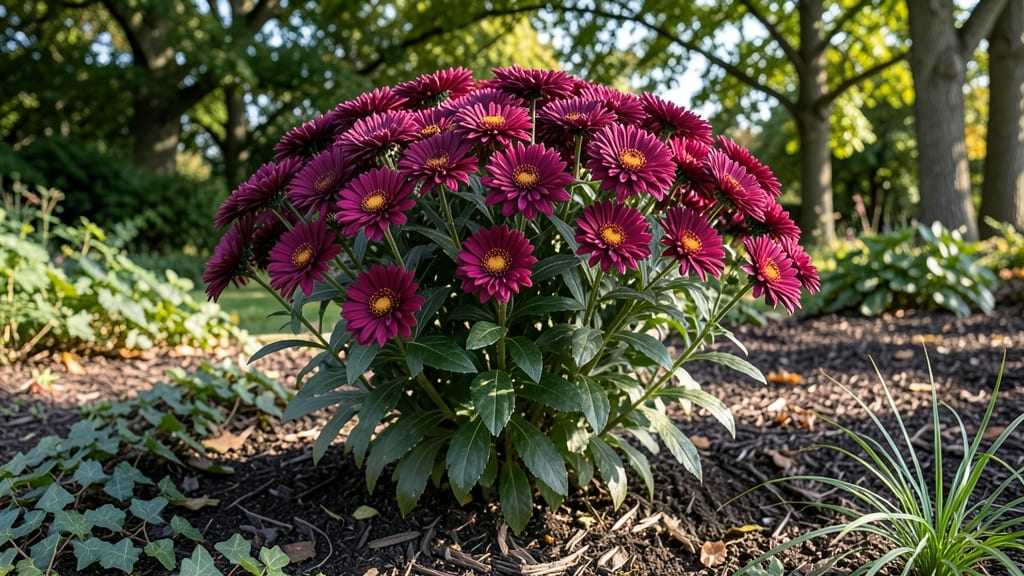
Garden mum perennials typically bloom for 6-8 weeks during late summer through fall, though reblooming varieties can extend their vibrant displays into early winter. The key to longer blooms lies in strategic pruning, optimal sunlight exposure, and precise fertilizer timing throughout the growing season.
These hardy perennials thrive when given full sun exposure (6+ hours daily), which triggers their natural flowering hormones. 🌸 The difference between single-bloom and reblooming mums comes down to genetics—rebloomers have been selectively bred to produce secondary flushes when properly cared for.
I've found that using a balanced 10-10-10 fertilizer every 4-6 weeks after initial blooms fade helps sustain their energy for repeat performances.
What many gardeners don't realize is that deadheading spent blooms isn't just about looks—it redirects the plant's energy toward new growth. For winter protection, I recommend cutting back foliage by half and mulching heavily, which prevents frost damage to the crown while preserving next season's potential.
💡 In This Article
- How Garden Mums Bloom: The Science Behind Flowering Cycles
- Step-by-Step Guide to Extending Garden Mum Blooms
How garden mums bloom: the science behind flowering cycles
Garden mums (Chrysanthemum × grandiflorum) follow a strict biological clock tied to daylight hours—a process called photoperiodism.
These perennials need 12-14 hours of daylight to trigger their flowering hormones, which is why their peak blooms align with late summer's shorter days. 🌞 The key hormone here is florigen, produced when leaves detect decreasing daylight.
Single-bloom varieties stop producing florigen after their initial 6-8 week display, while reblooming types have been genetically modified to respond to secondary triggers like temperature shifts and pruning.
Temperature plays a critical role too. Mums thrive in 60-75°F ranges during active growth, but they need cooler 50-60°F nights to set buds for reblooming.
This is why late summer's heat waves can stunt second flushes—plants divert energy to survival rather than flowering. 🌡️ The difference between single-bloom and reblooming varieties comes down to their genetic response to ethylene gas, which rebloomers produce in higher concentrations after pruning, stimulating new growth.
Light quality matters as well. Mums prefer full spectrum sunlight, but too much intense afternoon sun can scorch petals. The ideal balance creates 10-12 hours of direct light with afternoon shade in hot climates.
What's fascinating is how these plants use their leaves as solar collectors—when light hits chlorophyll, it initiates a chain reaction that converts energy into florigen production. This is why yellowing leaves (a sign of poor nutrition) can completely halt flowering.
Reblooming varieties have an additional genetic trick: they maintain meristematic cells (growth centers) longer than single-bloomers. These cells remain dormant but can be reactivated through proper care. The trade-off?
Rebloomers typically have slightly smaller flowers and shorter stems compared to their one-time blooming cousins. 🌸 This genetic difference explains why rebloomers need more frequent deadheading and fertilizer to sustain their extended displays.
Here's what happens internally during blooming: Each flower bud contains a cluster of florets that open sequentially from the center outward.
The plant allocates 20-30% of its energy to flower production during peak bloom, which is why nutrient deficiencies show up first in petal color (pale yellow instead of vibrant hues).
The roots play a crucial role too—they store starches that get converted to sugars during flowering, which is why consistent watering (but not soggy soil) is essential.
One common misconception is that all mums rebloom with proper care. In reality, only 20-30% of garden mum varieties are true rebloomers—the rest are bred for single-season displays.
The secret to encouraging reblooming lies in mimicking nature's seasonal cues: prune back by ⅓ after first blooms fade, apply a high-phosphorus fertilizer (like 5-10-5), and maintain consistent moisture. This combination tricks the plant into thinking it's experiencing another spring.