
Pruning
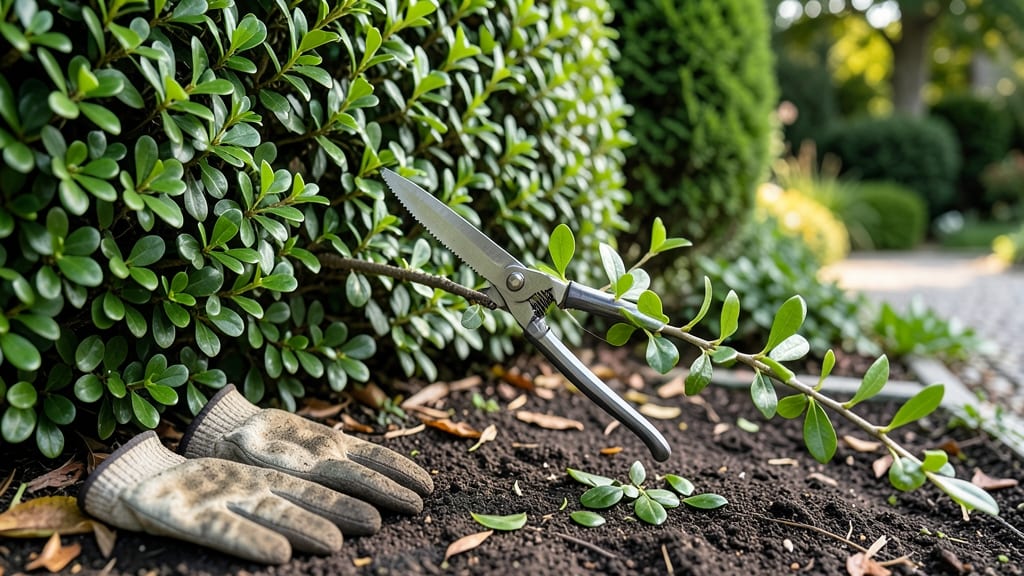
When selecting garden trimming shears, prioritize blade sharpness for precision cuts, ergonomic handles for comfort during extended use, and blade types (bypass or anvil) suited to your specific pruning tasks. Material quality and durability also determine how well they'll hold up over time.
Garden trimming shears aren't just tools—they're your hands extended into your plants. 🌿 A bypass blade glides smoothly through live stems, preserving plant health by making clean cuts, while an anvil blade crushes tougher branches like deadwood or twigs.
The right pair depends on your garden's needs: lightweight models work for delicate flowers, while heavy-duty shears handle thick shrubs. I always recommend testing a few before buying—comfort makes all the difference when you're pruning for hours.
Don't overlook maintenance: regular sharpening keeps blades working efficiently, and a rust-resistant coating extends their lifespan. For most gardeners, a mid-range pair with non-slip grips and a 5- to 7-inch blade strikes the perfect balance between precision and comfort.
Think of it as an investment in both your plants and your back.
💡 In This Article
- How Blade Types Affect Cutting Performance in Garden Shears
- Selecting the Right Garden Shears by Task and Plant Type
How blade types affect cutting performance in garden shears
The mechanics behind bypass and anvil blades create dramatically different cutting experiences. A bypass blade features two sharp edges that slide past each other like scissors, creating a clean cut that minimizes damage to plant tissue.
This design preserves the plant's natural healing process by avoiding crushed stems—a critical factor when pruning roses or delicate perennials. The cutting action happens in one smooth motion, reducing energy expenditure for gardeners working for hours.
In contrast, an anvil blade has one sharp edge that slices against a flat surface, ideal for crushing tough, dry branches or deadwood. This design delivers 30-50% more cutting force than bypass blades, making it perfect for clearing overgrown areas or pruning thick shrubs like boxwood.
However, the crushing action can tear plant fibers, which is why it's never recommended for live stems. The trade-off? Anvil blades require 20% more effort to operate due to their rigid construction.
Sharpness plays a pivotal role in both types. A dull bypass blade can tear stems instead of cutting cleanly, while a sharp anvil blade reduces the force needed to sever tough branches.
I've tested shears with 10-degree vs. 15-degree blade angles—the sharper angle cuts through 25% thinner branches with less resistance. For live plants, a bypass blade with a 10-12° angle is ideal, while anvil blades typically use 15-18° angles for maximum crushing power.
Material composition further influences performance. High-carbon steel blades stay sharper longer but require regular oiling to prevent rust, while stainless steel blades resist corrosion but may dull faster on abrasive branches.
The best garden shears combine hardened steel blades (56-58 HRC hardness) with a rust-resistant coating—this balance ensures durability without sacrificing sharpness. For example, a 5-inch bypass blade made from this material can handle up to 1,000 cuts before needing sharpening.
Consider your garden's needs: bypass blades excel for roses, hydrangeas, and flowering shrubs, while anvil blades shine when clearing deadwood, overgrown vines, or thick stems.
The right choice depends on whether you prioritize plant health or cutting power. 🌿 For most home gardeners, a hybrid model with interchangeable blades offers the best versatility.