
Tools
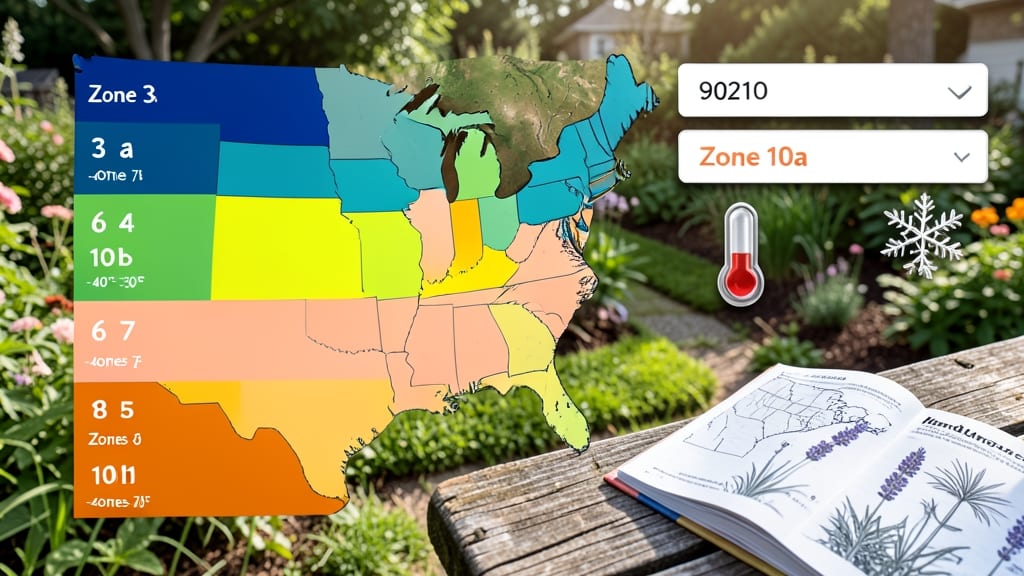
Using a garden zone map by zip code reveals your exact USDA Plant Hardiness Zone, which predicts which plants will survive winter in your area. Simply enter your location to access tailored planting schedules and climate-specific growing tips.
Your garden's success starts with knowing its climate profile, which the USDA Plant Hardiness Zone Map translates into simple numbers. 🌱 These zones group areas by average annual minimum temperatures, helping you avoid costly mistakes like planting frost-sensitive crops too early.
For example, Zone 5 gardens face harsher winters than Zone 9, which means different plant selections and care routines. The map even accounts for microclimates—like sunny south-facing slopes—that can push your zone up by a half-step.
Beyond just numbers, this system connects you to local growing wisdom. Many seed packets and nurseries reference zones, so matching your location to their recommendations ensures better germination rates and healthier plants.
I always double-check my zone when introducing new varieties—it's saved me from losing prized plants to unexpected freezes more times than I can count.
💡 In This Article
- How USDA Plant Hardiness Zones Define Your Gardening Climate
- Best Tools for Instant Garden Zone Lookup by Location
How USDA plant hardiness zones define your gardening climate
The USDA Plant Hardiness Zone Map divides North America into 13 main zones, each representing a 10°F difference in average annual minimum winter temperatures. For example, Zone 3 endures -40°F to -30°F, while Zone 10 stays above 30°F.
These zones help predict which plants can survive winter's coldest snaps, as most perennials die when exposed to temperatures 5-10°F colder than their hardiness rating for more than a few hours.
Behind the zones lies 30 years of climate data, including frost dates and temperature extremes. The USDA updates the map every 10 years to reflect warming trends—since 1990, many areas have shifted half a zone warmer.
This matters because a plant rated for Zone 6b (-5°F to 0°F) might struggle in a newly reclassified Zone 6a (0°F to 5°F). Microclimates add another layer: A south-facing wall can create a Zone 7 microclimate in an otherwise Zone 6 yard.
Why does this precision matter? Plants have genetic survival thresholds. A hydrangea rated for Zone 4 won't regrow after a -20°F night in Zone 3. The zone system accounts for these biological limits by testing plants in controlled conditions.
For instance, rose bushes need Zone 4 protection, while bougainvillea thrives in Zone 10. Even within a zone, frost-free days vary—Zone 5 in Minnesota gets 120 frost-free days, while Zone 5 in Colorado has 180.
Here's how to use zones practically: Check seed packets for the hardiness zone range (e.g., "Zones 5-9"). If you're in Zone 6, avoid Zone 9 plants like citrus trees, which die below 25°F.
The map also helps time planting—Zone 3 gardeners start tomatoes indoors 8-10 weeks before last frost, while Zone 9 gardeners plant outdoors in fall to avoid summer heat stress.
For advanced gardeners, partial zones (a/b) add nuance. Zone 7b (5°F to 10°F) is colder than 7a (10°F to 15°F), so a plant rated for Zone 7 might fail in 7b. The USDA now includes Arctic and tropical zones (1-13), expanding coverage.
To verify your zone, cross-check with local weather stations—your actual minimum temps might differ by 2-3°F due to urban heat islands or elevation.
Pro tip: Use zones to plan multi-year projects. A 20-year-old oak tree in Zone 4 needs 10 years to mature, while a rose bush establishes in 2-3 years. Matching plant lifecycles to your zone ensures long-term garden harmony. 🌿