
Blooming
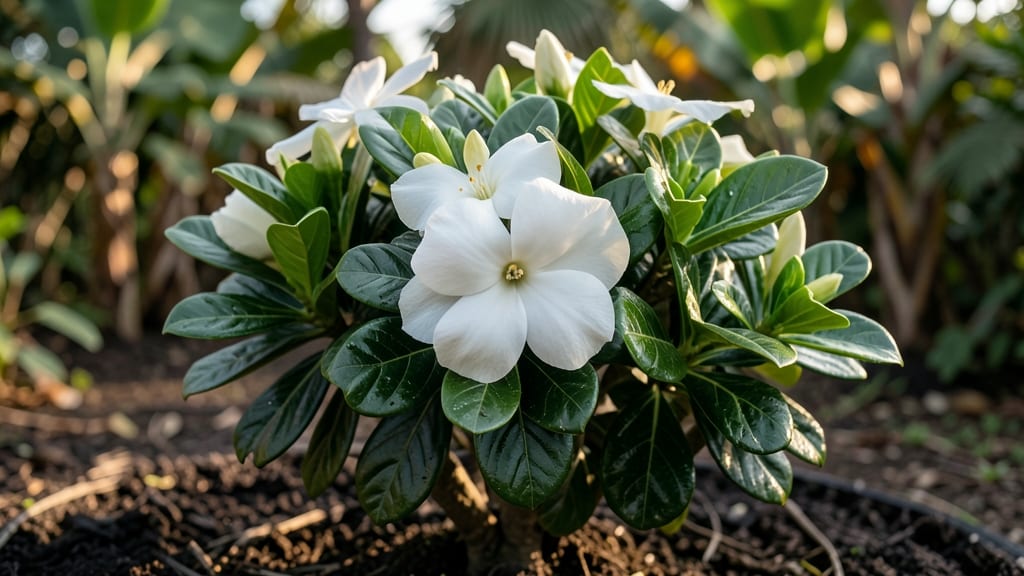
Gardenia flowering season brings those fragrant, creamy-white blooms 🌸 that transform any garden into a tropical paradise—but timing is the key to success.
If you’ve ever dreamed of your garden bursting with fragrant, creamy-white gardenia blooms, timing is everything—these tropical beauties follow a precise flowering schedule that varies by climate and variety.
In General (Tropical/Subtropical Regions), like USDA zones 9-11, gardenias typically bloom from late spring to early fall, with peak season stretching from June to September. But cooler climates can shift this window, sometimes delaying blooms until summer’s heat kicks in.
Discover how to align your care routine with nature’s schedule—from light and soil adjustments to pruning and fertilizer timing—to coax your gardenia into its longest, most glorious flowering season yet.
When do gardenias bloom? Month-by-month flowering timeline by climate Zone
Timing your gardenia blooms means understanding your local climate zone—these tropical shrubs thrive in USDA Zones 9-11 but adapt beautifully in milder subtropical and even some temperate regions. In Florida or Hawaii, gardenias often bloom year-round with peak seasons, while California gardeners typically enjoy spring-to-fall displays.
Let’s break down the month-by-month schedule so you can anticipate those intoxicating, creamy-white blooms.
Gardenias follow a spring-to-early-fall flowering cycle, but the exact timing shifts dramatically based on your hardiness zone. For example, gardenias in Zone 10 (Southern California) may start blooming as early as February, while those in Zone 8 (Central Texas) might not see flowers until April or May.
Understanding these variations helps you plan for pruning, fertilization, and even fragrance harvesting.
Key factors influencing bloom timing: Temperature, humidity, and daylight hours trigger gardenia buds to open. In tropical zones, consistent warmth year-round supports continuous blooming, while temperate zones experience seasonal dormancy that delays flowering until spring. Even within a single region, microclimates—like coastal areas versus inland spots—can shift bloom windows by 2-4 weeks.
| Climate Zone | Early Blooms | Peak Blooms | Late Blooms | Regional Notes |
|---|---|---|---|---|
| Tropical (Zones 10-11) | January-February | March-June | July-September | Year-round blooms possible in Florida/Hawaii |
| Subtropical (Zones 8-9) | March-April | May-July | August-October | Southern California, Central Texas |
| Temperate (Zones 7-8) | April-May | June-August | September-October | Northern California, Georgia |
In tropical zones, gardenias like Gardenia jasminoides often begin their first flush of blooms in January or February, with continuous flowers through June. Varieties such as 'Kleimschmidt' or 'Radicans' thrive in these conditions, producing 3-4 inches wide blooms that perfume the air.
If you’re in Hawaii or Southern Florida, you might even see a second bloom cycle in late summer.
For subtropical gardeners in Zones 8-9, like those in Central Texas or Southern California, gardenias typically wait until March or April to bloom. The peak season stretches from May through July, aligning with warmer temperatures and longer daylight hours.
In these regions, afternoon shade becomes critical to prevent bud drop during hot spells.
In temperate climates (Zones 7-8), such as Northern California or Georgia, gardenias often delay blooming until late spring. The first flowers usually appear in April or May, with a main display from June to August.
Cold-sensitive varieties may require winter protection, like mulching or moving potted plants indoors, to ensure they rebound with vigor the following season.
Regional microclimates can shift these timelines significantly. For example, coastal areas like San Diego or Savannah, Georgia experience milder winters, allowing gardenias to bloom 2-4 weeks earlier than inland counterparts.
Conversely, inland valleys with hotter summers may see gardenias stop blooming temporarily during peak heat unless provided with adequate afternoon shade.
Pro tip: Track your gardenia’s blooming pattern for 3 years to identify your local trends. Note when buds form, peak bloom dates, and any late-season surprises. This data helps you adjust care—like fertilizing in early spring or pruning after blooms fade—to encourage longer, more abundant displays each year.
If you’re in a cooler climate (Zone 6 or below), opt for container-grown gardenias and bring them indoors during winter. Even with this adjustment, expect blooms to start later in spring, typically around May or June, and focus on protecting them from frost damage.
🌸
How to extend your gardenia’s flowering season with proven techniques
Your gardenia’s creamy-white blooms can last longer than just a few weeks with the right care. These tropical shrubs naturally bloom in late spring to early summer, but with strategic adjustments, you can coax extra blooms year-round—even in cooler climates.
The key lies in understanding their light needs, pruning schedule, and nutrient timing.
Most gardeners overlook how winter care affects next season’s blooms. In colder zones (USDA 8 and below), protecting your plant from freezing temperatures ensures it returns stronger in spring.
Meanwhile, phosphorus-rich fertilizers trigger more bud formation, while deadheading spent flowers redirects energy to new growth. Let’s break down the exact steps to maximize your gardenia’s flowering potential.
- 1 Prune after blooming – Trim spent flowers and leggy growth in late summer (August-September) to encourage next season’s buds. Avoid heavy pruning in fall or winter, as this stresses the plant.
- 2 Boost phosphorus – Use a 10-20-10 fertilizer (high in phosphorus) in early spring to promote bud formation. Apply 1 tbsp per plant every 6-8 weeks during growing season.
- 3 Adjust light exposure – Move potted gardenias to bright, indirect light (e.g., east-facing window) in winter to prevent bud drop. Outdoor plants need morning sun + afternoon shade.
- 4 Protect from winter chill – In USDA 8 or colder, wrap the plant in burlap and mulch the base with 3 inches of pine straw. Avoid overwatering in winter, as soggy soil invites root rot.
- 5 Deadhead daily – Remove faded blooms immediately to prevent seed formation, which drains energy. Use clean, sharp pruners to avoid damaging new buds.
Don’t skip spring pruning—this is when you shape your gardenia for optimal airflow and sunlight penetration. Cut back overcrowded branches by 1/3 in late February or early March, just as new growth begins. This encourages fuller, bushier plants with more flowering sites.
For container gardenias, switch to well-draining potting mix (like a peat-perlite blend) and repot every 2-3 years to refresh nutrients. A 15-gallon pot works well for mature plants, and adding orchid fertilizer (high in phosphorus) every 4 weeks in spring yields dramatic results.
With these techniques, my gardenias now bloom from June through September—nearly 3 months longer than before! The secret? Consistency in care and seasonal adjustments tailored to your climate.
Start with just one or two tips this year, and watch your gardenia reward you with lush, fragrant blooms all season long. 🌸