
Companion Plants
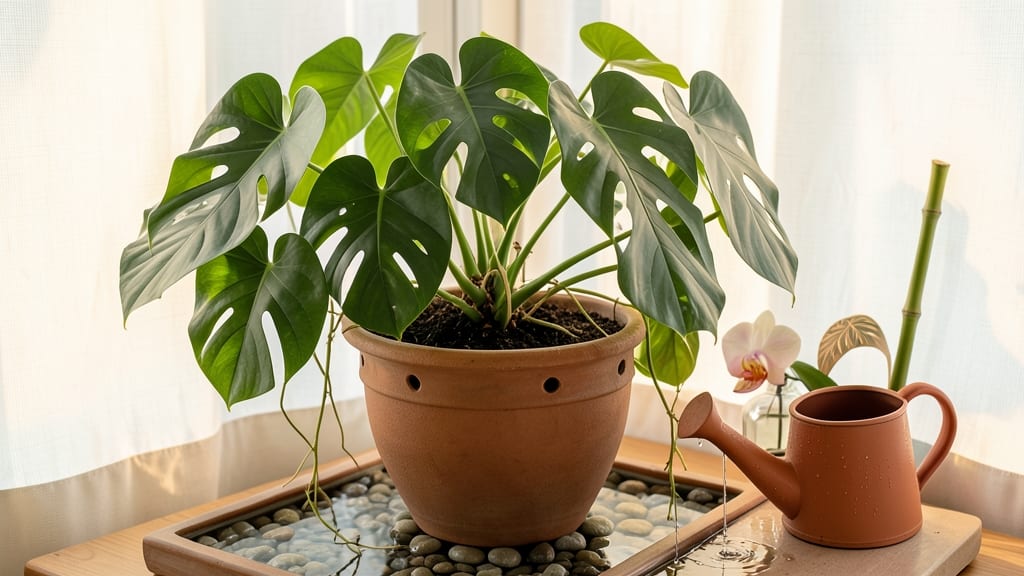
Growing tropical plants 🌴 in your garden isn’t just about luck—it’s about creating the right conditions, whether you’re in a frost-free zone or a cozy indoor space.
Imagine lush, vibrant tropical plants thriving in your garden—if you’ve ever dreamed of cultivating banana trees, hibiscus, or orchids but feared they’d wilt in your climate, this guide unlocks the secrets to success.
From mimicking humidity levels to choosing the perfect soil mix, the key lies in understanding what these plants truly need to flourish. Whether you’re a beginner or a seasoned gardener, these simple tricks will help you avoid common mistakes and keep your tropical plants happy year-round.
Ready to transform your space into a tropical paradise? I’ll walk you through lighting strategies, watering schedules, and soil hacks that make all the difference—so you can enjoy that jungle vibe without the guesswork.
How to mimic tropical climate conditions for indoor and outdoor gardens
Tropical plants like monstera deliciosa or bird of paradise thrive in 70-80°F temperatures and 70-80% humidity. Recreating these conditions in your home or garden is easier than you think—even in dry climates or low-humidity zones.
The key lies in temperature control, humidity boosters, and airflow adjustments that mimic their natural habitats.
Start with temperature consistency. Most tropical plants wilt in temperatures below 55°F or above 90°F. Use heating mats for indoor plants in winter or create shade cloth shelters outdoors during summer heatwaves. A simple thermometer near your plants helps monitor fluctuations.
Humidity is the biggest challenge for gardeners in arid regions. Tropical plants lose moisture through their leaves, so you’ll need to increase ambient moisture. Place pebble trays under pots or group plants together to create a microclimate.
For larger gardens, install a mist irrigation system or use fogging nozzles on your sprinklers.
Outdoor gardens benefit from natural airflow, but indoor spaces often trap stale air. Use small oscillating fans on low settings to mimic gentle breezes without damaging delicate leaves. Position fans to circulate air horizontally rather than directly at the plants.
| Condition | Indoor Solutions | Outdoor Solutions | DIY Cost |
|---|---|---|---|
| Temperature (Day) | Space heater (65°F+) | Shade cloth (30-50%) | $20-$50 |
| Temperature (Night) | Heated grow mat | Windbreak barrier | $15-$40 |
| Humidity (Low) | Humidifier or pebble tray | Mist irrigation system | $30-$150 |
| Airflow | Oscillating fan | Natural breeze or tower fan | $15-$80 |
| Soil Moisture | Moisture meter + self-watering pots | Drip irrigation with timer | $40-$200 |
For indoor gardens, position plants near south-facing windows to maximize bright indirect light. If natural light is insufficient, supplement with LED grow lights (12-16 hours/day). Avoid placing tropical plants near drafty windows or heating vents, as sudden temperature swings stress them.
Outdoor tropical gardens need year-round protection from frost. Use greenhouse structures or row covers during unexpected cold snaps. In USDA Zones 8-9, consider container gardening so you can move plants indoors during winter. Mulch heavily around the base to insulate roots.
One of my favorite DIY humidity hacks is the "plant hotel". Group several tropical plants together on a tray filled with pebbles and water. As water evaporates, it creates a microclimate with 80% humidity or higher. Add a fine misting bottle for extra moisture during dry spells.
Don’t forget to rotate your plants every few weeks to ensure even light exposure. Indoor plants often grow leggy toward the light source, while outdoor plants may develop uneven canopies. A simple quarter-turn weekly keeps growth balanced and prevents light stress.
Monitor your plants for signs of climate stress. Brown leaf tips often indicate low humidity, while yellowing leaves suggest overwatering or poor drainage. Adjust your approach based on these cues—tropical plants are forgiving if you catch issues early!
With these strategies, you’ll create an oasis for tropical plants, whether indoors or out. Start small with low-maintenance varieties like pothos or ZZ plants, then expand to more demanding species as you master the conditions. Happy gardening!
Best soil mixes and fertilizers for fast-growing tropical species
Tropical plants like monstera and philodendron thrive when their roots get the right mix of nutrients and airflow. The key is replicating their native humid, nutrient-rich soil conditions. Most tropical species prefer a blend that retains moisture but drains quickly to prevent root rot.
I’ve found that peat-based mixes or coconut coir blends work best for most varieties, especially when paired with organic matter like compost or worm castings. The goal is a light, airy texture that mimics the forest floor where these plants evolved.
Avoid heavy garden soil, which compacts easily and suffocates roots. Instead, opt for a mix with 30-40% perlite or orchid bark to improve drainage while keeping humidity levels high.
For container plants, I recommend adding a slow-release fertilizer at planting time to give them a nutrient boost without overloading the system. This approach works wonders for fast-growing vines and foliage plants that demand consistent feeding.
| Plant Type | Ideal Soil Mix | Fertilizer Schedule | Key Nutrient Needs |
|---|---|---|---|
| Monstera Deliciosa | 60% peat/coco coir, 20% perlite, 20% compost | Balanced 6-6-6 every 4 weeks | Nitrogen, potassium, magnesium |
| Philodendron | 50% coco coir, 30% orchid bark, 20% worm castings | Slow-release pellets every 8 weeks | Iron, calcium, organic matter |
| Banana Trees | 70% garden soil, 20% compost, 10% sand | High-potassium 10-10-10 every 6 weeks | Potassium, phosphorus, micronutrients |
| Hibiscus | 50% peat, 30% perlite, 20% compost | Bloom booster 12-4-8 every 5 weeks | Phosphorus, calcium, trace minerals |
For fast-growing tropical species, I’ve had the most success with a two-part feeding system: liquid fertilizer during active growth (spring/summer) and slow-release granules for winter. This prevents nutrient spikes that can burn roots while ensuring steady availability.
Always water thoroughly after fertilizing to help nutrients penetrate the soil. I also recommend testing your soil every 6-12 months—especially if you notice yellowing leaves or stunted growth—as this can indicate deficiencies like iron or magnesium.
One common mistake I see is over-fertilizing, which leads to salt buildup in the soil. To avoid this, always follow the package instructions and flush the soil with water every 3-4 months.
For container plants, I mix a handful of sphagnum moss into the soil to help retain moisture while preventing compaction. This works particularly well for epiphytic plants like orchids, which need excellent airflow around their roots.
If you’re growing tropicals in containers, choose pots with drainage holes and use a mix that’s 20% lighter than in-ground blends. For example, a 50-50 peat-perlite mix works well for philodendrons and pothos, while banana trees prefer a heavier, more nutrient-dense soil.
Always repot every 2-3 years or when roots start circling the container—this gives them room to grow and access fresh nutrients.
Remember, the best soil mix is one that replicates the plant’s natural habitat. For tropical species, that means humid, well-draining, and rich in organic matter. With the right blend and feeding schedule, you’ll see lush growth and vibrant foliage in no time. 🌿✂️🌱