
Light Requirements
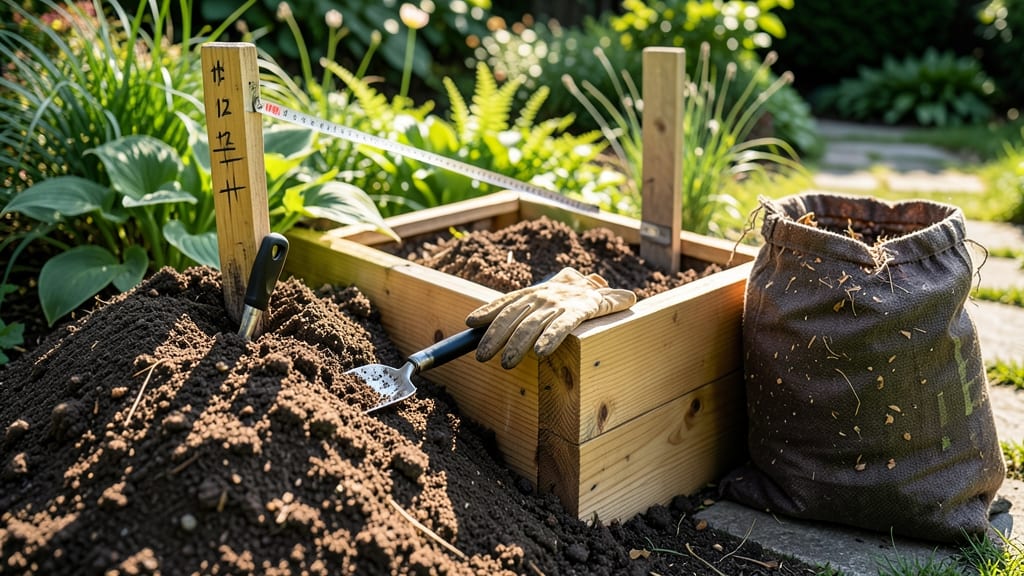
Filling your raised garden bed with the right amount of soil is the foundation for healthy plants—too little leaves roots exposed, while too much wastes money and creates drainage issues.
Most gardeners guess wrong, buying either extra bags or scrambling mid-project when they realize their soil won’t reach the top. The truth? A simple calculation based on your bed’s dimensions saves time, money, and frustration—no guesswork required.
In this guide, I’ll walk you through the exact steps to measure your bed’s volume in cubic feet, adjust for soil settling, and choose the best mix for your plants.
Whether you’re working with a 4x4 starter bed or an 8x8 monster, you’ll know exactly how much soil to buy—and how to avoid common pitfalls.
Plus, I’ll share pro tips for cutting costs, like layering cheaper materials at the bottom, so you get the perfect setup without overspending. Let’s get your garden off to the right start!
Raised garden bed soil calculator: exact cubic foot requirements by size
Calculating the exact soil volume for your raised garden bed prevents overbuying or running short—both of which can derail your gardening plans. Most gardeners fill beds to 6–12 inches deep, but the math varies by size.
A 4x4-foot bed at 12 inches needs 1.33 cubic yards, while an 8x8-foot bed at the same depth requires 5.33 cubic yards. Let’s break down the precise calculations so you can order soil with confidence.
Start by measuring your bed’s length, width, and depth. Multiply these three numbers to find the total cubic feet of soil needed. For example, a 4x8-foot bed filled to 10 inches (0.83 feet) requires 26.6 cubic feet of soil.
Divide by 27 cubic feet per yard to convert to yards for bulk purchases. This method ensures you buy exactly what you need—no more, no less.
Here’s the key formula to remember: Volume (cubic feet) = Length (ft) × Width (ft) × Depth (ft). For custom-sized beds, use this formula to avoid guesswork. Most gardeners prefer 10–12 inches of soil depth, but root crops like carrots or potatoes may need 12–18 inches.
Always account for settling—fresh soil can compact by 10–20% after watering.
For custom-sized beds, plug your measurements into the formula. For example, a 5x6-foot bed filled to 14 inches (1.17 feet) needs 35.1 cubic feet of soil. Divide by 27 to get 1.3 cubic yards.
Pro tip: Order 10% extra to account for settling, especially with loamy or sandy soil mixes. This buffer ensures your plants have enough room to grow without running out of soil mid-season.
Soil depth matters just as much as volume. Most vegetables and herbs thrive in 10–12 inches of soil, but deep-rooted plants like asparagus or artichokes need 18–24 inches. If you’re growing a mix, aim for 12 inches as a compromise.
Layering compost at the bottom improves drainage and fertility, while the top layer can be a soil blend tailored to your plants’ needs.
When ordering soil, check the yardage requirements for your bed size. A 4x8-foot bed at 12 inches needs 1.33
Top 5 soil mixes for raised garden beds and their volume needs
Choosing the right soil mix for your raised garden bed directly impacts plant health and yield. Not all blends require the same depth—some need 12 inches of loose mix, while others can thrive with just 6 inches of nutrient-rich soil.
The key is matching your soil blend to your plants' root needs and your bed's height.
For example, a 60/30/10 mix (topsoil, compost, perlite) is ideal for most vegetables but requires deeper beds, while a compost-heavy blend can work in shallower beds. Let’s break down the top 5 mixes and their exact volume needs to avoid costly over-purchases or under-filling.
| Soil Mix | Recommended Depth | Best For | Volume per 4x8ft Bed | Cost-Saving Tip |
|---|---|---|---|---|
| 60/30/10 (Topsoil/Compost/Perlite) | 12 inches | Vegetables, herbs, flowers | 1.33 cubic yards | Buy topsoil in bulk; mix perlite at home |
| 50/50 (Compost + Coco Coir) | 8–10 inches | Container plants, seedlings | 0.89 cubic yards | Use coco coir blocks to reduce weight |
| 40% Compost, 30% Peat Moss, 30% Sand | 10–12 inches | Root crops (carrots, potatoes) | 1.11 cubic yards | Buy peat moss in bags; mix sand separately |
| 100% Compost (Worm Castings) | 6–8 inches | Leafy greens, strawberries | 0.56 cubic yards | Buy worm castings in 40lb bags |
| 70% Topsoil, 20% Compost, 10% Vermiculite | 10 inches | Heavy feeders (tomatoes, peppers) | 0.83 cubic yards | Pre-mix vermiculite with compost |
The 60/30/10 mix is my go-to for most raised beds because it balances drainage and nutrients. However, if you’re growing shallow-rooted plants like lettuce or herbs, a compost-heavy mix (like the 100% worm castings option) can work in just 6 inches of depth, saving you money and effort.
For cost savings, buy topsoil and bulk amendments in cubic yards from local suppliers. A 4x8ft bed filled to 12 inches needs about 1.33 cubic yards—ordering a 2 cubic yard pallet covers multiple beds and future projects.
Always account for soil settling by leaving 2–3 inches below the rim.
Pro tip: Layer your soil mix with cardboard or landscape fabric at the bottom to block weeds and reduce the need for extra soil depth. This trick cuts costs while improving long-term soil structure.