
Watering
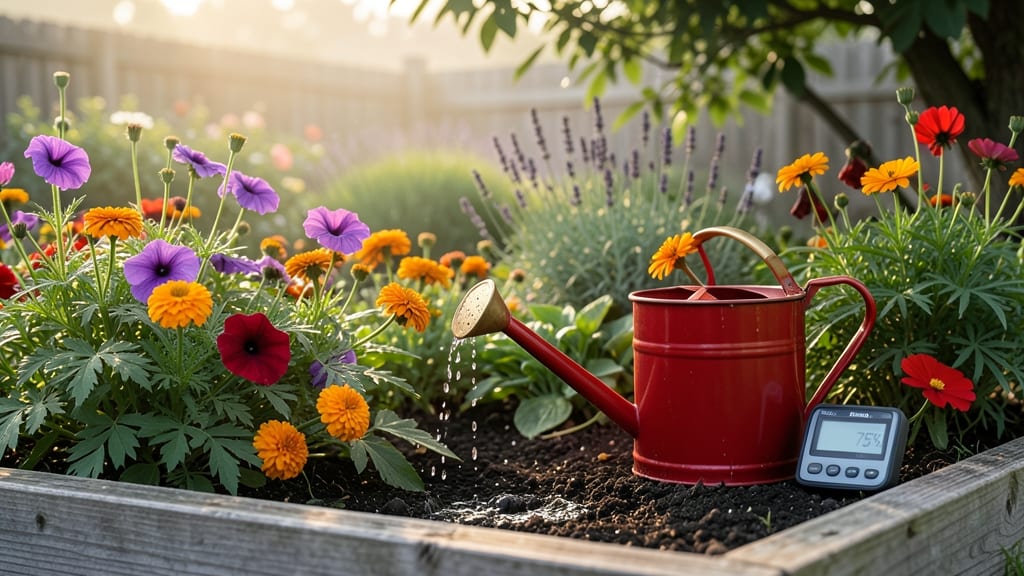
To water a flower garden properly, you’ll need to adjust your schedule by the season, soil type, and plant needs—because daily watering in summer can drown roots while weekly soaks in winter may leave them parched.
Struggling to keep your flower garden vibrant and blooming? Overwatering or underwatering can silently kill your plants—here’s the science-backed schedule to nurture thriving flowers all year.
Most gardeners guess, but the real secret lies in deep watering—soaking the soil 6 inches down—and checking moisture with your finger. Mulch keeps roots cool and conserves water, while drought-tolerant varieties like lavender need far less than thirsty petunias.
Below, I’ll break down the exact watering calendar for spring, summer, fall, and winter, plus how to spot over- or under-watering before it’s too late. Your 🌸 flower garden will thank you.
Flower watering frequency by season: expert guidelines for healthy blooms
Watering your flower garden isn't one-size-fits-all—it changes dramatically with the seasons. In spring, when roots are establishing, most flowers need deep watering every 2-3 days to encourage growth. But by summer, the heat demands daily or every-other-day watering, especially for annuals like petunias and perennials like coneflowers.
The key is understanding your plants' unique needs while adapting to Mother Nature's mood swings.
Many gardeners make the mistake of following a rigid schedule without checking soil moisture. A soil moisture test is your best friend—stick your finger 1-2 inches into the soil. If it feels dry, it's time to water.
If it's damp, hold off. This simple check prevents both overwatering (which suffocates roots) and underwatering (which stresses plants). Let's break down the seasonal watering rules to keep your blooms thriving all year.
Spring is all about establishing strong roots, so focus on deep watering rather than frequent light sprinkles. Aim for 1-2 inches of water per week, delivered directly to the soil—not the leaves—to prevent fungal diseases.
For newly planted perennials, like black-eyed Susans or daylilies, watering every other day for the first month helps them acclimate. Mulch with 2-3 inches of organic material (like straw or shredded leaves) to retain moisture and regulate soil temperature.
Summer brings the most watering challenges due to heat and evaporation. Annual flowers like geraniums and cosmos may need watering twice daily in extreme heat (early morning and late evening). For container gardens, check soil moisture daily—potted plants dry out much faster than in-ground ones.
A trick I use is placing a moisture meter in my containers; when it reads below 40%, it's time to water. Never let your containers go completely dry, as this can shock the roots.
Fall watering shifts to preparing plants for dormancy. Gradually reduce frequency as temperatures drop, aiming for every 3-5 days. This helps perennials like coneflowers and hostas harden off naturally.
Avoid watering late in the day during fall, as cooler nights increase the risk of fungal diseases like powdery mildew. Instead, water in the late morning to allow foliage to dry quickly. For bulbs like tulips, reduce watering as leaves yellow to encourage energy storage for next year's blooms.
Winter watering is often overlooked but critical for perennial flowers. Even dormant plants need minimal moisture to survive freezing temperatures.
Water every 10-14 days if there's been no snow or rainfall, focusing on deep watering to reach roots below the frost line. Evergreens like lavender and rosemary are exceptions—they need consistent moisture in winter. A simple test: If the ground is frozen or snow-covered, hold off until it thaws.
Always water at midday to prevent ice formation around roots.
Not all flowers have the same thirst level. Drought-tolerant varieties, like sedum, yarrow, and blanket flower, can go 7-10 days without water once established.
Signs your flower garden needs water (and when to hold back)
Not all wilting leaves mean your flowers are thirsty—some plants simply droop in the heat or after blooming. Learning to read visual cues from your garden saves water and prevents root rot.
Start by checking the soil moisture with your finger: dry topsoil up to 2 inches deep is a clear signal for hydration.
Young seedlings and annual flowers like marigolds or petunias wilt fastest under stress, while perennials such as coneflowers or black-eyed Susans can tolerate brief dry spells. The key is observing leaf texture—crispy edges or grayish foliage often means overwatering, while soft, droopy leaves signal dehydration.
⚠️ callout warning ⚠️
⚠️ Overwatering vs. Underwatering
Don’t confuse thirst with rot! Water your garden deeply 1-2 times weekly (not daily shallow sips). Yellowing leaves + mushy stems = overwatering. Wilting that doesn’t recover after evening hydration = underwatering.
Pro Tip: Stick a wooden chopstick in the soil—if it comes out clean, water now. If damp, wait 24 hours.
Exposed root systems in containers or freshly planted flowers are another red flag. Roots should stay buried under 1-2 inches of mulch or soil. If roots peek through, gently cover them and water thoroughly—this mimics natural rainfall and prevents shock.
Time of day matters too: watering in the early morning (before 10 AM) lets foliage dry quickly, reducing fungal risks like powdery mildew. Avoid evening watering, as damp leaves overnight invite pests. For drought-tolerant varieties like lavender or sedum, let the soil dry completely between waterings.
Create a troubleshooting checklist for your garden: ☑️ Wilting leaves → Check soil moisture ☑️ Yellowing leaves → Reduce watering frequency ☑️ Mushy stems → Improve drainage immediately ☑️ Slow growth → Test soil pH and nutrients
Remember, consistency is key—flowers thrive on routine. Adjust your watering schedule based on seasonal changes (e.g., more in summer, less in winter) and plant maturity. A well-hydrated garden blooms brighter and stays pest-free all season long! 🌸