
Size
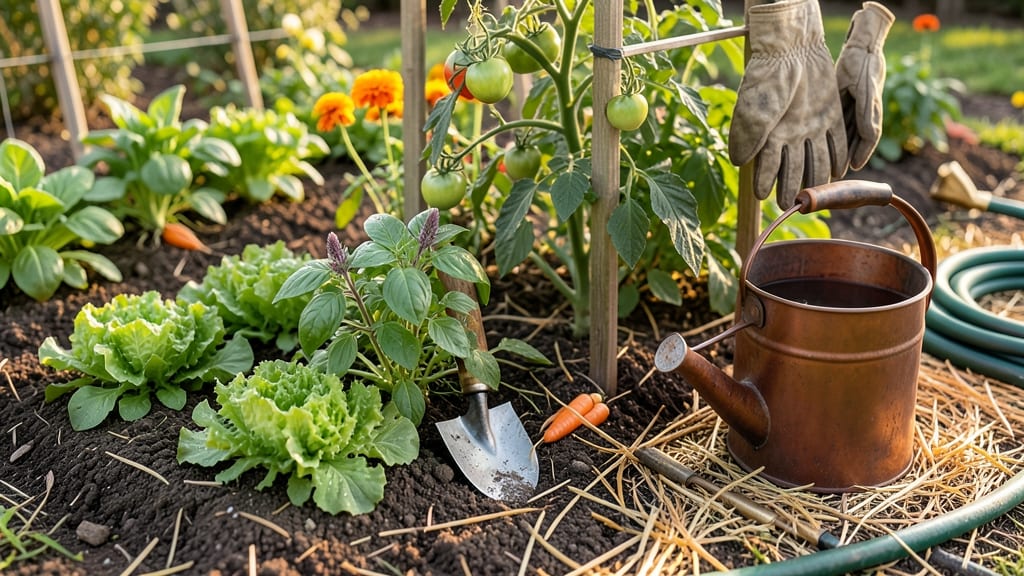
To grow plants in a garden successfully, you'll need to start with nutrient-rich soil, provide adequate sunlight, and follow a planting schedule tailored to your local climate. Maintaining healthy plants also involves regular watering, adding organic fertilizers, and keeping pests and weeds under control.
Creating a thriving garden depends on three key factors: soil quality, sunlight exposure, and proper timing. 🌱 The right soil mix—whether it's loamy for vegetables or sandy for succulents—ensures roots get the oxygen and nutrients they need.
Most plants thrive with 6-8 hours of sunlight daily, but some, like ferns, prefer partial shade. I always test my soil's pH and adjust with compost or lime if needed, as even a small imbalance can stunt growth. The best part?
Once you nail these basics, your garden will reward you with vibrant blooms and bountiful harvests year after year.
For beginners, I recommend starting with easy-to-grow plants like marigolds or zucchini—they're forgiving and help you build confidence. A simple planting calendar based on your USDA hardiness zone will guide when to sow seeds or transplant seedlings, typically 2-4 weeks before the last frost in spring.
Mulching after planting retains moisture and suppresses weeds, while regular pruning encourages bushier growth. Think of your garden as a living ecosystem where every small adjustment—like watering at the base of plants—makes a big difference.
💡 In This Article
- Essential Soil and Sunlight Requirements for Garden Plants
- Step-by-Step Planting and Maintenance Calendar for Beginners
Essential soil and sunlight requirements for garden plants
The foundation of any thriving garden lies in its soil—specifically, its ability to retain moisture while allowing excess water to drain. Ideal garden soil should be loamy, meaning it combines equal parts sand, silt, and clay to create a crumbly texture that roots love.
Think of it like a well-aerated sponge: it holds nutrients and water without suffocating plant roots. You can test your soil's drainage by filling a jar with soil and water, then timing how long it takes to drain—ideal soil should empty in 2-4 hours.
If it drains too quickly (like sand), add compost; if it stays soggy (like clay), mix in perlite or coarse sand.
Sunlight acts as your garden's energy source, and most vegetables and flowers need 6-8 hours of direct sunlight daily to photosynthesize efficiently.
Full-sun plants like tomatoes or sunflowers thrive in open areas, while partial-shade lovers such as lettuce or ferns prefer 3-6 hours of sunlight with dappled light the rest of the day. 🌞 The key is observing your garden's microclimates—some spots may get morning sun but afternoon shade, which works perfectly for certain plants.
A simple trick is to place a whiteboard in your garden for a week to track sunlight patterns before planting.
Soil pH—measured on a scale from 0 (acidic) to 14 (alkaline)—directly impacts nutrient availability. Most garden plants prefer a slightly acidic to neutral range of 6.0-7.0, but blueberries (which need 4.5-5.5) or asparagus (preferring 7.0-7.5) are exceptions.
You can test pH with a DIY kit or send a sample to your local extension office. Adjusting pH takes patience: adding sulfur lowers pH gradually over months, while lime raises it.
The goal is to match the pH to your plants' needs, as even a 0.5-point difference can affect nutrient uptake.
Organic matter like compost or well-rotted manure works like a multivitamin for soil, improving its structure, water retention, and microbial activity. A general rule is to mix in 2-4 inches of compost into the top 6-12 inches of soil before planting.
This not only feeds your plants but also encourages earthworms and beneficial fungi that break down organic material into plant-accessible nutrients. The texture of healthy soil should resemble a moist chocolate cake—dark, crumbly, and rich with life.
If your soil feels gritty or smells sour, it's a sign it needs more organic amendments.
One common mistake is assuming all plants have the same needs—herbs like rosemary actually prefer full sun and well-draining soil, while hostas thrive in shady, moist conditions. The solution? Group plants with similar requirements together in "plant communities" to create microenvironments that work naturally.
For example, pair basil and oregano in sunny spots while tucking mint and parsley in partially shaded areas. This approach reduces stress on your plants and makes maintenance easier.
Finally, remember that soil is a living ecosystem. Healthy soil teems with microorganisms that help break down nutrients and protect plants from diseases. You can boost this activity by avoiding chemical fertilizers, which can disrupt the natural balance, and instead using organic options like compost tea or fish emulsion.
The result? Plants that grow stronger, resist pests better, and produce more abundant harvests—all because you've given them the perfect foundation to thrive. 🌱