
Planting
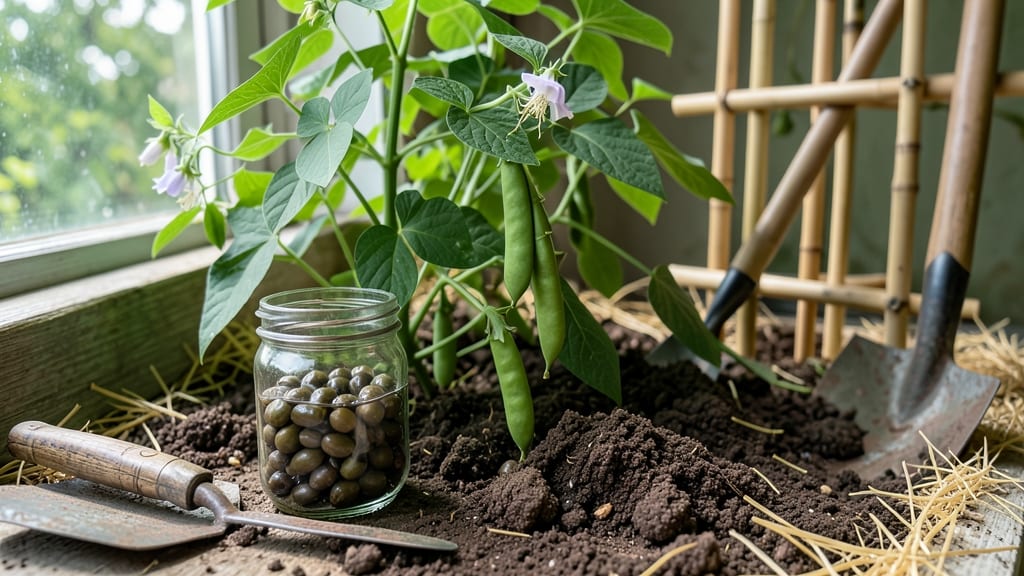
To plant string beans in a garden, start by sowing seeds 1 inch deep in warm soil after your last frost — these fast-growing climbers reward patience with a summer-long harvest.
Picture this: you’re pulling a bushel of fresh pods straight from your garden, crisp and tender, while your neighbors are still debating whether to buy or grow.
The secret isn’t just luck — it’s knowing when to plant, how far apart to space them, and which soil tricks keep them thriving.
String beans 🌱 love full sun and well-drained soil, but too much nitrogen turns their focus from pods to leaves. I’ll show you how to prep the bed, time your planting for peak yields, and avoid the three biggest mistakes that waste seeds and effort.
By the end, you’ll have a step-by-step plan to turn a patch of dirt into a high-yielding bean factory, complete with spacing charts, watering schedules, and the best companion plants to keep pests at bay.


Perfect soil, spacing, and planting depth for maximum string bean yields
String beans thrive when planted in the right conditions, and getting the soil, spacing, and depth right is the foundation of a high-yielding harvest. Unlike some finicky vegetables, beans are forgiving—but only if you avoid their two biggest enemies: overcrowding and poor soil drainage.
With the right setup, you’ll enjoy tender pods all season long, not just a few scattered yields. Let’s break down the science behind planting them for maximum success.
Start with loose, well-draining soil that’s rich in organic matter. String beans prefer a slightly acidic to neutral pH between 6.0 and 7.0. If your soil tests higher or lower, amend it with compost or aged manure to adjust the pH naturally.
Avoid heavy clay soils, which can suffocate roots and lead to rot. A simple soil test kit (available at garden centers) will tell you if your soil needs lime to raise pH or sulfur to lower it.
Before planting, loosen the top 6-8 inches of soil with a garden fork or tiller to improve aeration. Mix in 2-3 inches of compost or well-rotted manure to provide essential nutrients like nitrogen, phosphorus, and potassium.
These nutrients support strong root development and vigorous growth. If your soil is sandy, add a bit of peat moss to help retain moisture without compacting.
When it comes to planting depth, string beans should go 1-2 inches deep into the soil. This depth ensures the seeds have enough moisture and warmth to germinate without rotting. If you’re planting in cooler climates, consider using black plastic mulch to warm the soil and speed up germination.
Once sprouted, thin seedlings to 4-6 inches apart in rows that are 18-24 inches apart. This spacing prevents competition for nutrients and sunlight, which directly impacts yield.
Overcrowding is a common mistake that leads to stunted growth and disease. If your plants start looking leggy or their leaves turn yellow, they’re likely competing for resources.
Bush varieties (like Kentucky Wonder) can handle slightly tighter spacing (3-4 inches apart), but vining types (like Rattlesnake) need more room to sprawl. For trellised varieties, space plants 6-8 inches apart and provide a sturdy support structure early to avoid root disturbance later.
If your soil drains poorly, create raised beds or mounds to improve airflow and prevent waterlogging. String beans hate soggy roots, which can lead to root rot and fungal diseases. To test drainage, dig a hole, fill it with water, and time how long it takes to drain.
If it takes more than a few hours, amend the soil with perlite or coarse sand. Mulching with straw or grass clippings after planting helps retain moisture while keeping roots cool—just avoid piling mulch against the stems.
Finally, rotate your planting location each year to prevent soil-borne diseases and nutrient depletion. String beans are legumes, meaning they fix nitrogen in the soil, but they still benefit from fresh ground.
Avoid planting them in the same spot where other legumes (like peas or peanuts) grew the previous year. With the right soil prep and spacing, your string beans will reward you with abundant, tender pods all season long.
Don’t overlook the power of companion planting either. Pair your beans with corn and squash (the "Three Sisters" method) to create a natural ecosystem that deters pests and improves soil health.
Just avoid planting near onions or garlic, which can stunt bean growth. With these tips, you’ll be well on your way to a thriving string bean patch!
Best planting times and seasonal tips for string beans by climate zone
Timing is everything when growing string beans, especially since they thrive in warm soil but can't tolerate frost. Your USDA hardiness zone determines whether you'll grow cool-season varieties (like Blue Lake) or warm-season types (such as Kentucky Wonder).
In Zones 3-5, wait until after your last frost date—typically mid-May—to plant, while Zones 6-10 can start as early as April. Succession planting every 2 weeks extends your harvest by 4-6 weeks.
For northern climates (Zones 1-5), focus on bush varieties that mature quickly (50-60 days) before summer heat arrives. In southern zones (6-10), opt for pole beans that handle heat better and produce longer.
Always soak seeds overnight to speed germination, especially in cooler regions. Row covers can protect early plantings from unexpected frost, while shade cloth helps in scorching zones like 8-10.
In hot climates (Zones 9-10), plant fall crops (September-October) to avoid summer heat stress. Use black plastic mulch to warm soil faster in spring or straw mulch to cool roots in summer. Drought-tolerant varieties like 'Contender' thrive with minimal watering once established.
For cool zones (1-5), prioritize early-maturing varieties (under 50 days) to finish before summer pests arrive.
Extend your harvest by succession planting every 10-14 days—this ensures a steady supply of fresh pods for 2-3 months. In containers, use compact bush varieties (like 'Mascotte') and replace plants every 4 weeks.
Always harvest regularly (every 2-3 days) to encourage more production. Yellowing leaves signal overwatering, while drooping vines mean it's time to water deeply.
Protect young plants from pests like Mexican bean beetles with neem oil sprays or row covers. In windy areas, stake tall varieties to prevent lodging.
For urban gardens, try vertical growing with trellises—this saves space and improves airflow. Companion plants like marigolds deter pests naturally, while basil repels flies. Always rotate crops yearly to prevent soil-borne diseases.
Remember: String beans are heat-sensitive once flowering begins. If daytime temps exceed 90°F, provide afternoon shade or choose heat-tolerant varieties. In short-season areas, opt for fast-maturing hybrids (45-50 days).
With the right timing and care, you'll enjoy homegrown beans from early summer to fall—no grocery store needed! 🌱