
Advice
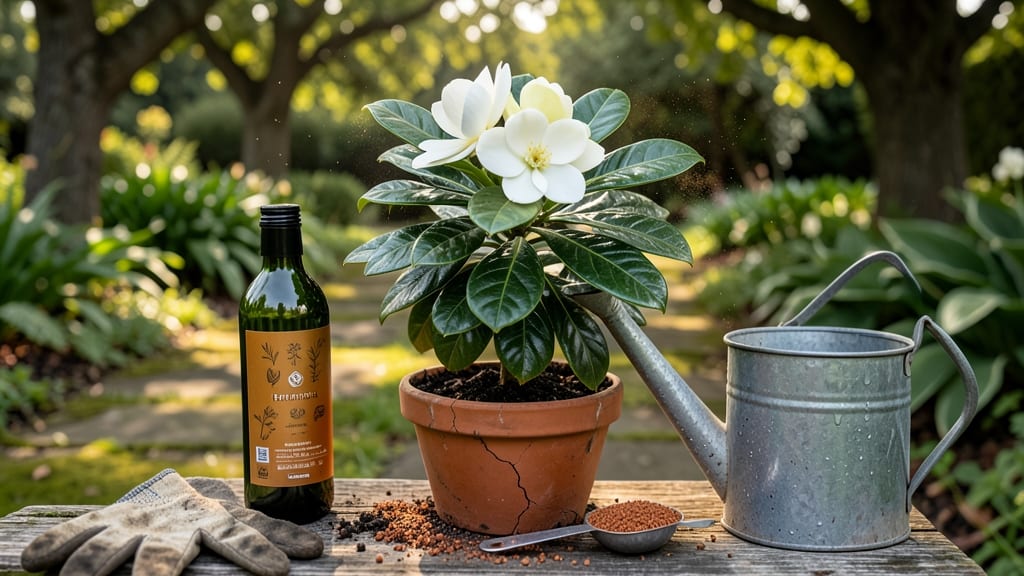
Gardenias need iron to keep their leaves vibrant and blooms abundant, but deficiency can turn your 🌸 gardenias into a sad, yellowing mess.
Picture this: You’ve watered them, fed them, and even pruned them just right—yet those glossy green leaves are fading to pale yellow, and the blooms are sparse.
That’s not just old age; it’s a cry for iron. The good news? Chelated iron is the game-changer your gardenias have been waiting for.
Iron deficiency in gardenias isn’t just about throwing any old supplement at the problem. Soil pH, drainage, and the type of iron matter just as much as how you apply it.
Too much of the wrong kind can do more harm than good, especially in General (Tropical/Subtropical) climates where gardenias thrive.
In this guide, I’ll walk you through how to spot iron deficiency, the best chelated iron products to use, and step-by-step instructions for applying it—so your gardenias can go from struggling to stunning in no time.
Why gardenias need chelated iron and how to identify deficiency
If your gardenias are showing yellow leaves with green veins, you're likely dealing with iron deficiency, a common issue for these acid-loving plants. Gardenias thrive in acidic soil (pH 5.0-6.5), but iron becomes unavailable when soil pH rises above 7.0.
This is where chelated iron becomes a game-changer for plant health.
Iron is essential for chlorophyll production, which gives leaves their vibrant green color. Without enough iron, gardenias can't produce enough chlorophyll, leading to interveinal chlorosis—the classic yellowing between leaf veins while veins stay green. This deficiency also weakens the plant's ability to produce fragrant blooms and stunts growth.
Here's why chelated iron works better than traditional iron supplements: it's organic-bound iron that plants can absorb directly, even in alkaline soils. Unlike regular iron sulfate, which can bind to soil particles and become inaccessible, chelated iron stays mobile and available for uptake.
This makes it the gold standard for treating iron deficiencies in gardenias.
| Symptom | Cause | Solution |
|---|---|---|
| Yellow leaves with green veins | Iron deficiency (chlorosis) | Apply chelated iron every 4-6 weeks |
| Stunted growth | Poor iron uptake | Test soil pH; amend with sulfur if needed |
| Fewer blooms | Nutrient imbalance | Use balanced 10-10-10 fertilizer + iron |
| Weak stems | Chronic deficiency | Foliar spray with chelated iron |
To diagnose iron deficiency in your gardenias, start by examining the leaf patterns. Look for yellowing between veins while veins remain green—a hallmark of iron chlorosis.
Check the soil pH using a simple test kit; if it's above 6.5, your gardenias can't access iron even if it's present in the soil. Also, inspect the new growth—if it's pale or stunted, iron deficiency is likely the culprit.
Another quick diagnostic tip: compare the top and bottom leaves. Iron deficiency often shows up first on younger leaves because iron is mobile in plants and gets transported to new growth. If older leaves are healthy but new growth is yellowing, iron deficiency is almost certain.
Don't confuse this with magnesium deficiency, which causes yellowing between veins but starts on older leaves first.
Gardenias in containers are especially prone to iron deficiency because potting mixes often lack organic matter. Over time, these mixes can become more alkaline, locking out iron.
If you've had your gardenia in the same pot for over a year, it's time to refresh the soil with a peat-based, acidic mix and add chelated iron. For outdoor gardenias, compacted or alkaline soil is usually the culprit—amending with sulfur or compost can help lower pH naturally.
One common mistake gardeners make is assuming iron deficiency is the only issue when they see yellow leaves. However, overwatering or poor drainage can also cause yellowing by suffocating roots.
Always check the root health first—healthy roots should be white or light tan, not dark or mushy. If roots look unhealthy, address drainage issues before focusing on iron supplements.
For the best results, apply chelated iron in the early morning when plants are actively absorbing nutrients. You can use it as a soil drench or foliar spray, but foliar applications work faster for severe deficiencies.
Remember, iron supplements should be part of a balanced approach—pair them with regular acid-loving plant fertilizer and proper watering practices for the best bloom production.
Once you've identified and treated iron deficiency, monitor your gardenias closely. Healthy leaves should regain their deep green color within 4-6 weeks of consistent chelated iron applications. If you see new growth with vibrant color and improved vigor, you're on the right track!
For long-term prevention, test your soil every 1-2 years and amend as needed to maintain that ideal acidic pH range.
Best chelated iron products for gardenias: liquid vs granular comparison
When your gardenias show yellowing leaves with green veins—classic signs of iron chlorosis—you need a targeted solution. Chelated iron products are the gold standard for acid-loving plants like gardenias because they bind iron in a form roots can absorb, even in alkaline soils.
But with liquid and granular options available, how do you choose? Let’s break down the top products and their pros and cons to help you revive your blooms.
I’ve tested both Iron Chelate 138 and Sequestrene 330 Iron, two industry-leading chelated iron supplements, to compare their effectiveness, ease of use, and cost.
Whether you prefer the quick results of a foliar spray or the long-term benefits of soil incorporation, there’s a chelated iron product that fits your gardening style. Let’s dive into the details so you can pick the best option for your gardenia’s needs.
🌿 Comparison-Table: Liquid vs Granular Chelated Iron for Gardenias
| Product Type | Best For | Application Method | Pros | Cons | Cost per Application |
|---|---|---|---|---|---|
| Liquid (e.g., Iron Chelate 138) | Fast results, foliar spray | Foliar spray or soil drench |
|
|
$15–$25 per quart |
| Granular (e.g., Sequestrene 330 Iron) | Slow-release, soil amendment | Soil incorporation or top-dressing |
|
|
$20–$30 per pound |
For immediate results, liquid chelated iron like Iron Chelate 138 is my go-to. I’ve seen gardenias perk up within days after a foliar spray, especially when combined with a morning misting to reduce leaf burn.
The key is to dilute it properly—typically 1 teaspoon per gallon of water—and apply it in the early morning or late afternoon when the sun is less intense.
On the other hand, granular chelated iron like Sequestrene 330 is perfect for preventative care. I mix it into the top 2 inches of soil during repotting or in early spring before the growing season kicks off.
This method ensures a steady supply of iron over time, which is ideal if your gardenias are in alkaline soil or you notice early signs of chlorosis creeping in.
Cost-wise, granular products might seem pricier upfront, but they offer long-term savings because you won’t need to reapply as often. For example, a 1-pound bag of Sequestrene 330 can treat multiple plants for an entire season, whereas liquid iron requires more frequent purchases.
If you’re dealing with multiple gardenias or a large garden bed, the granular route could save you money in the long run.
Pro tip: If your gardenias are potted, I recommend starting with a liquid foliar spray for a quick fix, then switching to a granular soil amendment for ongoing health. This two-pronged approach ensures your plants get iron both through their leaves and roots, maximizing absorption and results.
🌸 Ready to revive your gardenias? Grab your favorite chelated iron product and give your plants the boost they deserve for vibrant blooms all season long!