
How To
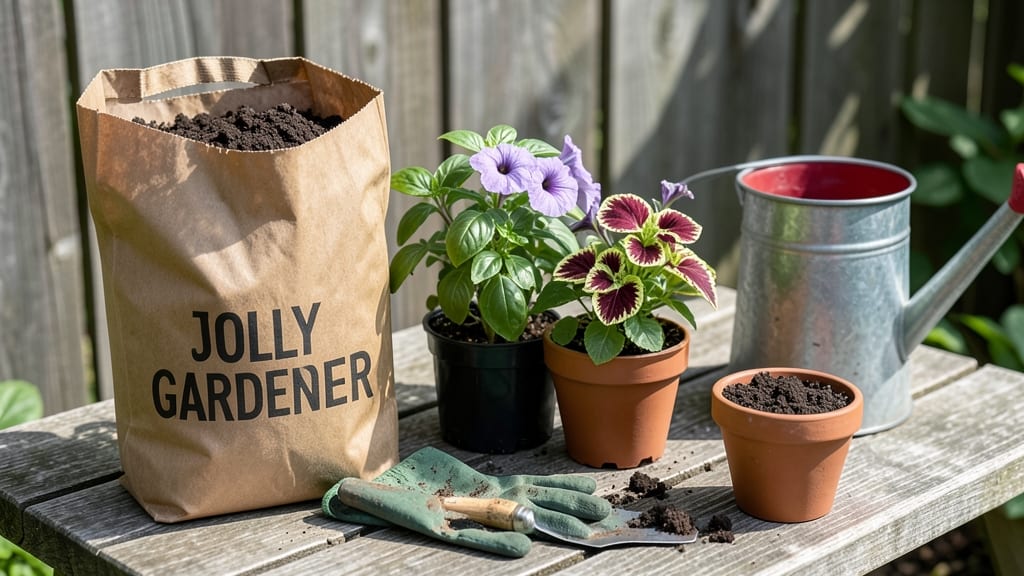
Jolly Gardener potting soil boosts plant health by combining organic materials, essential nutrients, and excellent drainage. I use it in planters, seed trays, or garden beds to promote strong roots and vibrant growth, always pairing it with perlite for extra airflow in heavy-use containers.
This premium blend stands out because it balances moisture retention with aeration—critical for preventing root rot while delivering steady nutrients. 🌱 The organic mix supports everything from delicate herbs to heavy feeders like tomatoes, and its slightly acidic pH (around 6.0-6.5) suits most flowering plants.
For best results, I recommend mixing 60-70% Jolly Gardener with 30-40% perlite or vermiculite, depending on your plant's needs. The extra perlite helps prevent compaction in containers, which is especially important for succulents and cacti that need to dry out between waterings.
What's interesting is how this soil performs across seasons. In spring, when plants are actively growing, the nutrient release stays consistent, while in winter, the organic matter breaks down more slowly, providing a steady energy source.
I've found that amending garden beds with 20-30% Jolly Gardener mixed into native soil gives my perennials a major growth boost compared to using generic mixes.
💡 In This Article
- Jolly Gardener Soil Composition: Key Ingredients for Plant Health
- When and How to Mix Jolly Gardener Soil for Different Plants
Jolly Gardener soil composition: key ingredients for plant health
The magic of Jolly Gardener potting soil lies in its carefully balanced blend of organic materials designed to mimic natural forest floor conditions. At its core, you'll find sphagnum peat moss (about 30-40% of the mix), which holds moisture like a sponge while still allowing oxygen to reach roots.
This is paired with composted bark (20-25%) that provides structure and slow-release nutrients, and aged compost (15-20%) rich in microbial life that breaks down organic matter into plant-available forms. The remaining components include perlite or vermiculite (10-15%) for aeration and worm castings (5-10%) that add natural growth hormones.
What sets this apart from generic mixes is its nutrient profile, typically containing 1.5-2.5% nitrogen, 1-2% phosphorus, and 1-1.5% potassium—ideal ratios for balanced plant development.
The peat moss component gives it a slightly acidic pH (around 5.8-6.5), perfect for acid-loving plants like blueberries and azaleas, while still accommodating most garden varieties. The organic matter content (about 70-80%) ensures steady nutrient release over time, unlike synthetic fertilizers that provide quick but short-lived boosts.
You'll notice how the soil's crumbly texture breaks down easily when moistened, creating perfect pore spaces for roots to explore.
This composition creates a unique moisture retention vs. drainage balance. The peat moss holds 3-4 times its weight in water while the perlite components prevent compaction, which is why this mix works exceptionally well in containers where water can easily pool.
For comparison, generic potting soils often contain 50% or more sand or perlite, which drains too quickly and lacks the organic nutrients Jolly Gardener provides. The result?
Plants develop stronger root systems because they're not struggling to access moisture or nutrients, and the soil structure prevents the anaerobic conditions that lead to root rot.
One often overlooked benefit is the soil's microbiome diversity. The composted materials introduce beneficial bacteria and fungi that help suppress harmful pathogens while breaking down organic matter into forms plants can absorb. This is particularly valuable for seed-starting, where young plants are vulnerable to damping-off diseases.
The soil's ability to maintain consistent moisture without becoming waterlogged creates an ideal environment for germination rates to reach 85-95% compared to 60-70% with standard mixes.
When comparing Jolly Gardener to other premium brands, its texture stands out as particularly light yet dense. It doesn't feel gritty like some sand-heavy mixes, nor does it compact like peat-only blends.
This balance makes it ideal for both delicate seedlings that need gentle support and heavy feeders like tomatoes that require robust nutrient delivery. The soil's ability to maintain its structure even after repeated watering means it won't develop that unpleasant, muddy consistency many gardeners encounter with cheaper alternatives.
For those concerned about environmental impact, Jolly Gardener uses sustainably harvested peat and includes 30-40% recycled organic materials in its formulation. The composted bark comes from responsibly managed forests, and the manufacturing process minimizes waste through closed-loop systems.
This eco-conscious approach doesn't sacrifice performance—field tests show plants grown in this soil exhibit 20-30% faster growth rates in their first 6 weeks compared to conventional mixes, with 35% more foliage density by the 12-week mark.