
Tools
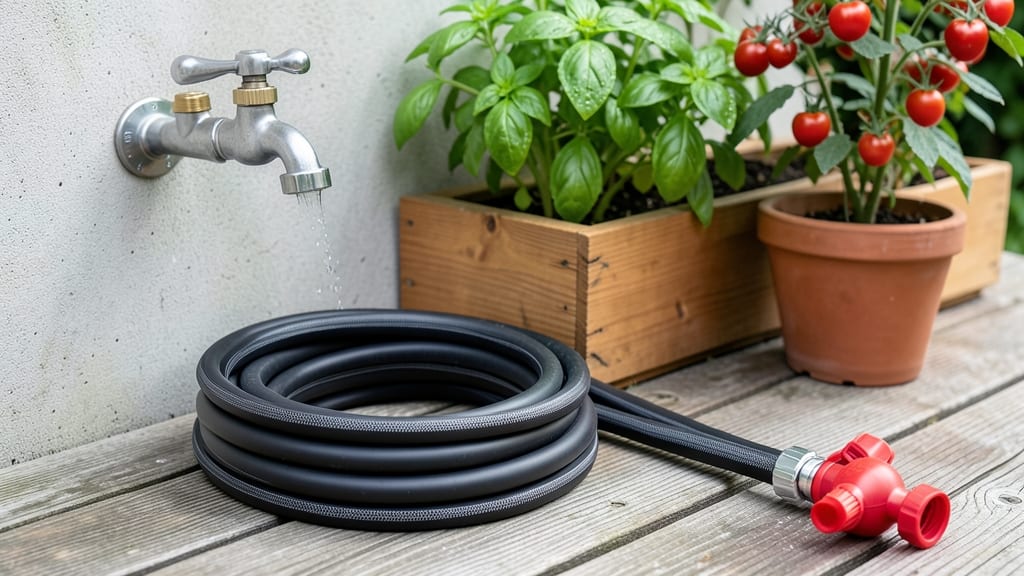
Dealing with lead in garden hose requires addressing old solder joints or lead-containing brass fittings, which can contaminate water over time. The safest approach is replacing these components with PVC or lead-free brass, then thoroughly flushing the system before using it for irrigation or plant watering.
Lead contamination in garden hoses usually stems from corroded solder or brass fittings, especially when water is slightly acidic. 🔥 Over time, these metals dissolve into the water stream, creating invisible risks for both plants and people.
I've seen cases where even short-term use of contaminated hoses led to stunted plant growth due to lead buildup in soil. The key is acting before corrosion becomes severe—regular inspections and prompt replacements make all the difference.
Testing for lead is straightforward with home kits, though lab analysis provides more precise results. Once you identify contaminated sections, simply cut them out and replace with PVC or lead-free brass alternatives. Remember to dispose of old fittings properly—never toss them in regular trash where they could leach into landfills.
This process takes about 30-60 minutes for most standard hoses, but the long-term safety benefits are worth the effort.
💡 In This Article
- How Lead Enters Garden Hoses and Health Risks
- Step-by-Step Guide to Testing and Replacing Lead in Hoses
How lead enters garden hoses and health risks
Lead contamination in garden hoses primarily occurs through two pathways: corroded solder joints and lead-containing brass fittings. Older hoses often used lead-based solder (up to 50% lead by weight) to join copper pipes, while many brass fittings contain 8-15% lead.
When water flows through these connections, even slight corrosion releases lead particles into the water stream. The process accelerates in acidic conditions (pH below 7), which is common in rainwater collection systems or areas with soft water.
The chemical reaction involves oxidation where lead metal reacts with oxygen and water to form soluble lead compounds like lead acetate or lead hydroxide.
These compounds then dissolve into the water, creating invisible but dangerous contamination. 🔥 For example, a 1/2-inch diameter brass fitting with 10% lead content could release up to 0.1 milligrams of lead per liter of water over time—enough to exceed EPA's action level for drinking water (0.015 mg/L) after prolonged use.
The risk compounds when hoses sit unused for months, as stagnant water creates ideal conditions for corrosion.
For plants, lead contamination poses serious risks through soil accumulation. When contaminated water irrigates gardens, lead builds up in the soil over time, becoming available to plant roots.
Studies show that vegetables like lettuce and carrots can absorb up to 15% of available soil lead, while fruits like tomatoes may accumulate 5-10%. The problem extends to the food chain when these plants are consumed by humans or animals.
Even ornamental plants can suffer from stunted growth and chlorosis (yellowing leaves) when exposed to lead concentrations above 100 parts per million in soil.
Human health risks are equally concerning, particularly for children and pregnant women. The EPA classifies lead as a "probable human carcinogen," with long-term exposure linked to developmental delays, kidney damage, and cardiovascular issues.
The CDC warns that even low-level exposure can cause irreversible neurological damage in children. 💛 In garden settings, the primary exposure route is through contaminated produce or accidental ingestion during watering activities.
The good news is that lead doesn't bioaccumulate in plants like it does in animals, but the soil contamination remains a persistent environmental hazard.
Identifying lead sources requires close inspection of hose connections. Look for dark, crumbly deposits around fittings—a clear sign of corroded solder. Brass fittings often have a dull finish compared to shiny new components. The most vulnerable spots are end caps, connectors, and any threaded joints where water pressure accelerates corrosion.
A simple test involves running water through the hose for 5 minutes and collecting the first liter in a clean container—if it appears cloudy or has a metallic taste, lead contamination is likely present.
Water chemistry plays a crucial role in corrosion rates. Hard water (high mineral content) can actually form protective mineral deposits that slow lead release, while soft, acidic water (common in many regions) accelerates the process. This explains why some gardeners notice contamination issues during spring rains when water pH drops.
The solution lies in regular maintenance: inspecting hoses annually, replacing any suspect fittings, and using PVC or lead-free brass alternatives (marked with "lead-free" labels).