
Advice
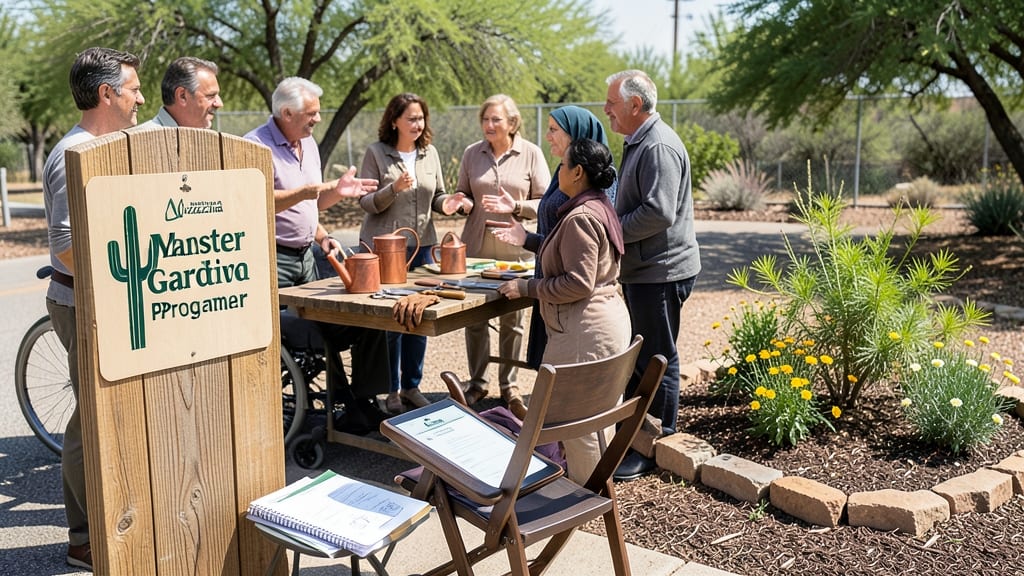
The Arizona Master Gardener Program trains volunteers in sustainable horticulture, pest management, and landscape design through a 120-hour course, typically costing $250–$350. Graduates commit to 50 hours of community service annually while gaining access to university resources and expert-led workshops.
This program, offered through the University of Arizona Cooperative Extension, transforms gardening enthusiasts into community educators. 🌱 The curriculum covers everything from desert-adapted plants to integrated pest management, ensuring graduates can tackle Arizona's unique horticultural challenges.
Beyond the classroom, participants gain hands-on experience through local projects, from school gardens to urban greening initiatives. What sets this program apart is its direct connection to university research—volunteers often collaborate with experts on current projects like drought-resistant landscaping or pollinator-friendly gardens.
Whether you're looking to deepen your gardening knowledge or give back to your community, this program provides both. The 50-hour volunteer requirement isn't just a commitment—it's an opportunity to network with fellow green thumbs and make a tangible difference in Arizona's landscapes.
Plus, many graduates find the skills they gain open doors to professional opportunities in horticulture or environmental education.
💡 In This Article
- Arizona Master Gardener Training Curriculum and Requirements
- How to Apply and Maximize Benefits as an Arizona Master Gardener
Arizona Master Gardener training curriculum and requirements
The Arizona Master Gardener Program's 120-hour curriculum is designed to equip volunteers with science-backed horticultural knowledge tailored to Arizona's Sonoran Desert ecosystem.
About 40 hours focus on foundational topics like plant physiology and soil science, while another 30 hours dive into desert-specific challenges such as water conservation techniques and native plant identification.
The remaining 50 hours are dedicated to hands-on labs where participants analyze soil samples, diagnose plant diseases, and practice integrated pest management under the guidance of University of Arizona Extension agents.
What makes this program stand out is its alignment with University of Arizona Cooperative Extension standards, ensuring all training materials reflect current research. For instance, the soil science module covers caliche soil characteristics—common in Arizona—which behave differently than soils in other regions.
Participants also learn about mycorrhizal fungi relationships in desert plants, a topic rarely covered in basic gardening courses. The program's exams aren't just theoretical; they include practical components where volunteers must correctly identify 12 common desert pests and their natural predators, demonstrating real-world application of classroom knowledge.
Hands-on experience is embedded throughout the curriculum. In the plant pathology section, volunteers dissect infected plant samples to identify fungal, bacterial, and viral diseases under microscopes—a process that builds critical diagnostic skills.
The landscape design module includes a project where participants create a low-water-use garden plan for a hypothetical Arizona home, incorporating native plants and efficient irrigation systems. These practical exercises ensure graduates can immediately apply their knowledge to community projects, whether they're advising homeowners or maintaining public green spaces.
The program also emphasizes sustainable practices that address Arizona's unique environmental challenges. Volunteers learn about xeriscaping principles, including how to calculate evapotranspiration rates for different plant species—a skill that helps them recommend water-efficient landscapes.
Another key focus is pollinator-friendly gardening, where participants study native plants that support bees and butterflies while requiring minimal irrigation. This dual emphasis on science and sustainability sets Arizona's program apart from many other Master Gardener initiatives across the country.
One aspect often overlooked is the continuing education requirement. After certification, volunteers must complete 10 hours of annual training to maintain their status, ensuring their knowledge stays current with emerging research. Topics might include new drought-tolerant plant varieties or updated pest management protocols.
This commitment to lifelong learning reflects the program's dedication to providing evidence-based gardening advice to Arizona communities, where water scarcity and extreme temperatures create distinct horticultural challenges.
For those considering the program, the hands-on labs represent about 25% of the total curriculum, making it one of the most practical Master Gardener programs in the nation. These labs aren't just demonstrations—they're active learning experiences where volunteers work with real plants, soils, and pests under expert supervision.
This approach ensures graduates leave with confidence in their ability to diagnose problems and implement solutions, whether they're troubleshooting a home garden or leading a community workshop.