
Orchid Care
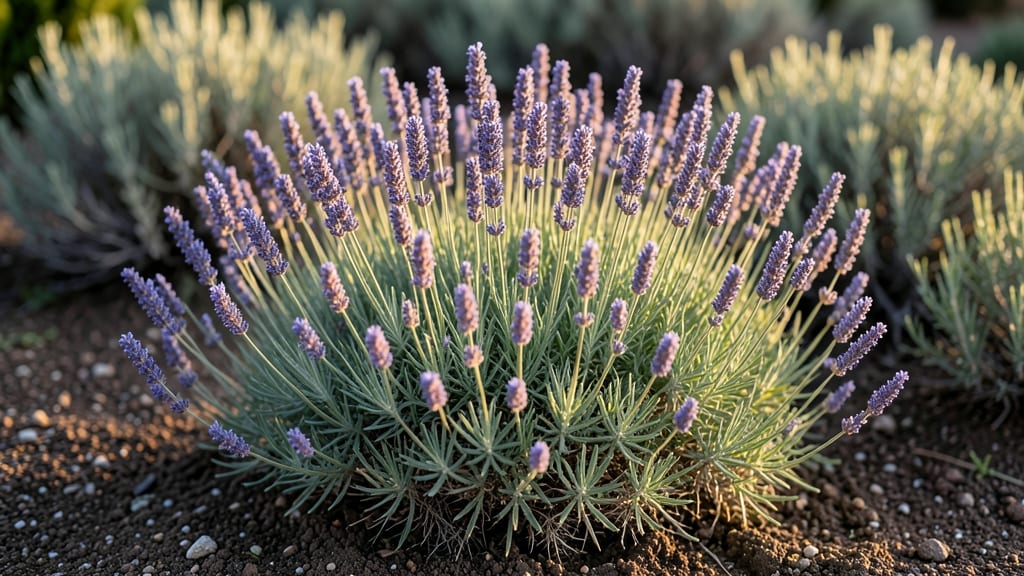
Propagating Old Man Gardener orchids from cuttings lets you multiply your plants with the right timing and care: select mature pseudobulbs in spring, use a sterile, chunky bark mix, and maintain consistent moisture while keeping them in bright, indirect light. Rotate pots regularly to prevent uneven growth.
These orchids thrive with cuttings because their pseudobulbs store energy for new root growth, making them perfect for propagation. 🌱 Unlike seed-based methods, cuttings preserve the parent plant's traits while encouraging faster establishment. I recommend using a mix of fir bark and perlite for drainage—this mimics their natural epiphytic habitat.
The key is patience; roots can take 4-6 weeks to appear, but once established, they grow vigorously with proper light exposure.
Timing matters most—spring is ideal because the plant's energy shifts from dormancy to active growth. Sterilize your tools with rubbing alcohol to prevent bacterial infections, and never let the medium stay soggy.
If you notice yellowing leaves, it's usually a sign of overwatering or poor airflow. I've found that misting the leaves occasionally helps maintain humidity without drowning the roots.
💡 In This Article
- Why Old Man Gardener Orchids Thrive With Cuttings
- Step-by-Step Guide to Propagating Old Man Gardener Orchids
Why Old Man Gardener orchids thrive with cuttings
The Old Man Gardener orchid's success with cuttings stems from its unique pseudobulb structure. These swollen stems act as energy reservoirs, storing water and nutrients during dormancy before spring growth. When you take cuttings, you're essentially tapping into this stored energy, which kickstarts root development much faster than seed propagation.
Unlike seeds that take months to germinate, cuttings can produce roots in just 4-6 weeks under ideal conditions.
This orchid's natural epiphytic lifestyle—growing on trees in tropical forests—plays a huge role too. In the wild, they rely on mycorrhizal fungi to help break down organic matter for nutrients. When you propagate via cuttings, you're mimicking how these plants naturally spread: by sending out new growth from established structures.
The chunky bark mix you use in pots replicates their airy, well-draining habitat, while the pseudobulbs provide the perfect anchor for new roots to form.
What sets Old Man Gardener orchids apart is their sympodial growth habit. Unlike monopodial orchids that grow upward from a single stem, these plants grow horizontally from a rhizome. Each pseudobulb produces new growth at its base, creating natural division points perfect for cuttings.
This makes them far easier to propagate than many other orchid varieties, which often require more complex tissue culture methods.
Light exposure is another critical factor. These orchids need bright but indirect light—think of it as morning sun with afternoon shade. Too much direct sunlight causes leaf burn, while too little results in weak, leggy growth.
The 60-70°F temperature range maintains optimal metabolic activity in the pseudobulbs, ensuring they're ready to support new root development when cuttings are taken.
Compared to other propagation methods, cuttings offer several advantages. Seed germination can take 6-12 months and requires sterile conditions, while division only works on mature plants with multiple pseudobulbs. Cuttings provide a middle ground: they're faster than seeds, work on younger plants, and preserve the parent's characteristics perfectly.
The trade-off is the initial learning curve about proper timing and medium composition, but once mastered, it's the most reliable method for these orchids.
What most growers don't realize is how crucial the sterilization process is. Even a small amount of bacteria or fungus on your tools can cause rot in the delicate new roots.
That's why I always recommend using 70% isopropyl alcohol to sterilize scissors and knives before making cuts. This simple step can mean the difference between successful propagation and failed attempts.