
Tools
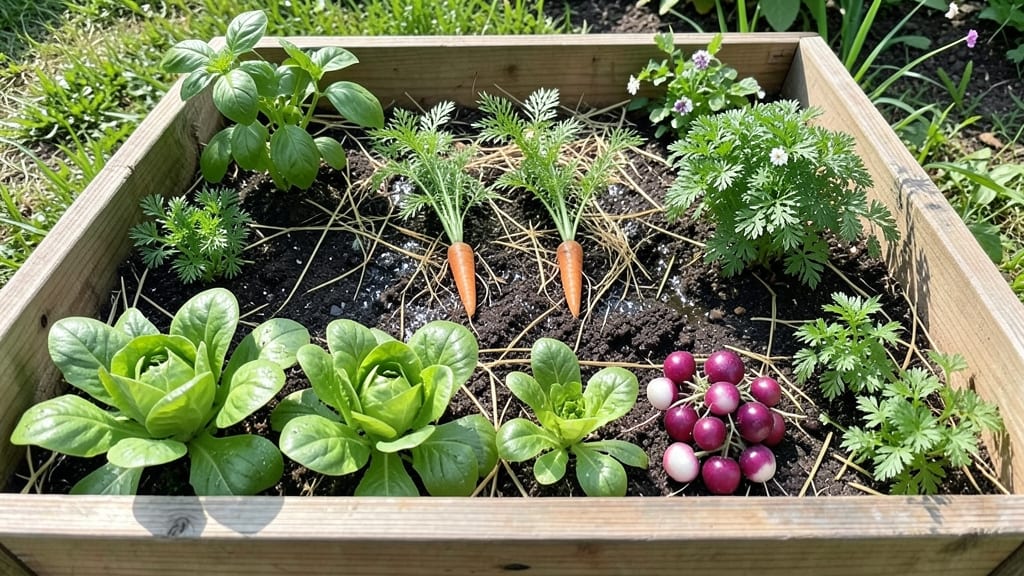
A gardening plot creates an organized planting space that optimizes sunlight, soil quality, and space utilization to boost plant growth while making maintenance easier. Thoughtful design can increase yields by up to 40% and reduce weed competition.
A gardening plot transforms your growing space into a strategic system rather than just open ground. 🌱 By controlling factors like sunlight exposure and soil composition, you create ideal conditions for plants to thrive—something especially valuable for beginners or small-space gardeners.
The right layout also makes harvesting and weeding more efficient, saving you time throughout the season. For example, square-foot gardening divides plots into 1-foot sections, allowing precise plant spacing that maximizes every inch.
What sets effective plots apart is their ability to adapt to your specific needs. Whether you're growing vegetables, herbs, or flowers, the plot's design can accommodate companion planting—pairing plants that benefit each other, like basil with tomatoes.
This approach not only improves plant health but also naturally deters pests, reducing the need for chemical interventions.
💡 In This Article
- How to Design an Effective Gardening Plot Layout
- Choosing the Best Gardening Plot Materials and Tools
How to design an effective gardening plot layout
Designing a gardening plot starts with understanding how plants interact with their environment. The most effective layouts—like square-foot gardening or raised beds—prioritize sunlight exposure, which directly impacts photosynthesis. For example, most vegetables need 6-8 hours of direct sunlight daily4-6 hours.
By mapping your yard's sunlight patterns (morning shade vs. afternoon sun), you can position tall plants like corn or sunflowers on the north side to avoid shading shorter crops. 🌞 This strategic placement can boost yields by up to 30% compared to random planting.
Soil stratification also plays a critical role. Raised beds, for instance, allow you to layer nutrients vertically—adding compost at the bottom, followed by topsoil and a mulch layer. This creates a self-fertilizing ecosystem where worms and microbes thrive, breaking down organic matter into plant-available nutrients.
In contrast, in-ground plots may struggle with compaction or uneven moisture distribution. For instance, a 12-inch-deep raised bed with a mix of 60% topsoil, 30% compost, and 10% perlite maintains ideal drainage while retaining moisture better than loose garden soil.
Companion planting is another science-backed technique that maximizes plot efficiency. Plants like basil and tomatoes improve each other's growth—basil repels pests that attack tomatoes, while tomatoes provide shade for basil's delicate leaves. Similarly, carrots and onions deter carrot flies when planted together.
These pairings reduce the need for pesticides and create a balanced microclimate within the plot. For example, marigolds planted around the edges release chemicals that repel nematodes, protecting the entire garden. 🌿 This natural synergy cuts maintenance time by 25-40% while increasing biodiversity.
Plot dimensions matter too. Square-foot gardening divides space into 1-foot-by-1-foot squares, each accommodating a specific number of plants based on their mature size. For instance, a square can hold 16 radishes (small root veggies) or just 1 tomato plant (large sprawling plant).
This method reduces overcrowding, which competes for nutrients and spreads diseases. In contrast, traditional row planting often wastes space between plants, leading to 20-30% lower yields in the same area.
Consider your local climate when designing. In hot, dry regions, plots with mulch or drip irrigation retain moisture better, while cooler climates benefit from windbreaks or south-facing orientations. For example, a 4-foot-wide raised bed in a windy area can be positioned perpendicular to prevailing winds to minimize soil erosion.
These small adjustments make a huge difference in plant survival rates and overall health. 🌱
Finally, accessibility is key. Place frequently harvested crops—like lettuce or herbs—along pathways for easy reach. This reduces trampling on delicate plants and makes gardening more enjoyable. A well-designed plot isn’t just functional; it’s a living system where every element supports the next, creating a thriving, low-maintenance garden.
The best layouts feel like a puzzle where every piece—sunlight, soil, and plant placement—fits together seamlessly.