
Tools
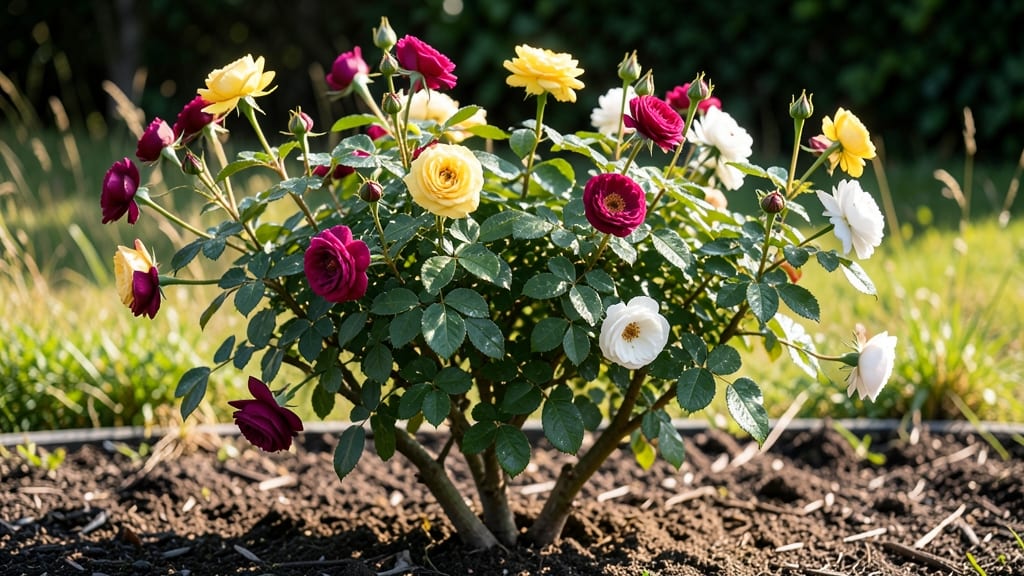
Seattle’s rose gardens offer stunning displays throughout the year, with standout locations like the Washington Park Arboretum and Seattle Center Conservatory featuring diverse varieties from hybrid teas to Pacific Northwest natives. The best bloom periods are spring (April–June) and fall (September–October), while some gardens maintain winter blooms in controlled environments.
Seattle’s temperate maritime climate creates ideal conditions for roses to thrive year-round, with mild winters and consistent rainfall supporting lush growth. 🌸 The city’s gardens showcase everything from classic hybrid teas to hardy Knock Out roses, with some varieties like David Austins blooming prolifically in cooler months.
What makes Seattle’s rose gardens unique is their ability to extend the blooming season into winter through greenhouse displays, ensuring you can enjoy fresh roses even in December.
Beyond the main attractions, local favorites include the Volunteer Park Conservatory, which often features rare heirloom varieties, and the Seattle Japanese Garden, where roses blend seamlessly with traditional landscaping.
For the best experience, visit on weekdays to avoid crowds, and check seasonal events like the Seattle Rose Festival in June, which transforms the city into a floral paradise.
💡 In This Article
- Seattle’s Best Rose Gardens by Seasonal Bloom Cycles
- Tips for Visiting Seattle Rose Gardens Like a Local
Seattle’s best rose gardens by seasonal bloom cycles
Seattle’s reputation as a rose lover’s paradise stems from its mild, maritime climate, where winter temperatures rarely drop below 32°F and annual rainfall averages 38 inches.
This combination creates an ideal environment for roses to bloom prolifically year-round, unlike drier inland regions where roses often enter dormancy in winter. The city’s proximity to Puget Sound also generates microclimates—warmer pockets near water that extend bloom seasons by 3-4 weeks compared to inland areas.
The Washington Park Arboretum, Seattle’s crown jewel, features over 1,000 rose bushes representing 200+ varieties, including David Austin English roses known for their layered petals and intoxicating fragrance.
Spring (April–June) is peak season here, with hybrid teas like 'Double Delight' and climbers such as 'Blaze' creating dramatic vertical displays. Fall (September–October) brings a second wave of blooms, particularly Knock Out roses, which thrive in Seattle’s damp conditions and bloom continuously from May through October.
For winter blooms, the Seattle Center Conservatory takes center stage with its 15,000-square-foot greenhouse, where tropical and subtropical roses like 'Iceberg' and 'Café au Lait' flourish year-round. These varieties require 70-80°F temperatures and high humidity, conditions maintained indoors.
Outside, the Seattle Japanese Garden often features heirloom roses like 'Mme. Isaac Pereire,' which blooms intermittently even in December when protected by microclimates near the garden’s pond and stone lanterns.
What sets Seattle’s gardens apart is their diverse palette of rose types—from old garden roses with complex fragrances to modern disease-resistant varieties like 'Dr. Huey' that thrive in the city’s damp conditions.
The Volunteer Park Conservatory, for example, often showcases rare Bourbon roses like 'Zéphirine Drouhin,' whose 12-foot climbing vines create dramatic cascades. These varieties were historically prized in 19th-century Europe but require consistent moisture—something Seattle’s climate provides naturally.
Seasonal variations also affect rose care. In spring, gardeners focus on pruning to encourage new growth, while fall maintenance involves mulching to protect roots from 40-50°F nighttime temperatures.
The Seattle Rose Society recommends using compost-rich soil and organic mulch to retain moisture, which is critical given Seattle’s 150+ rainy days annually. This approach ensures roses like 'New Dawn' (a repeat bloomer) can thrive even in partial shade—common in Seattle’s urban gardens.
For visitors, timing matters. Spring visits (April–May) offer the most vibrant displays, while fall (September–October) provides cooler weather and fewer crowds. Winter enthusiasts should prioritize the Seattle Center Conservatory or University of Washington Botanic Gardens (which also features roses in their Hammond Hall greenhouse).
Each garden’s unique collection—whether David Austins in Washington Park or climbers in Volunteer Park—ensures no two visits feel the same.