
Tools
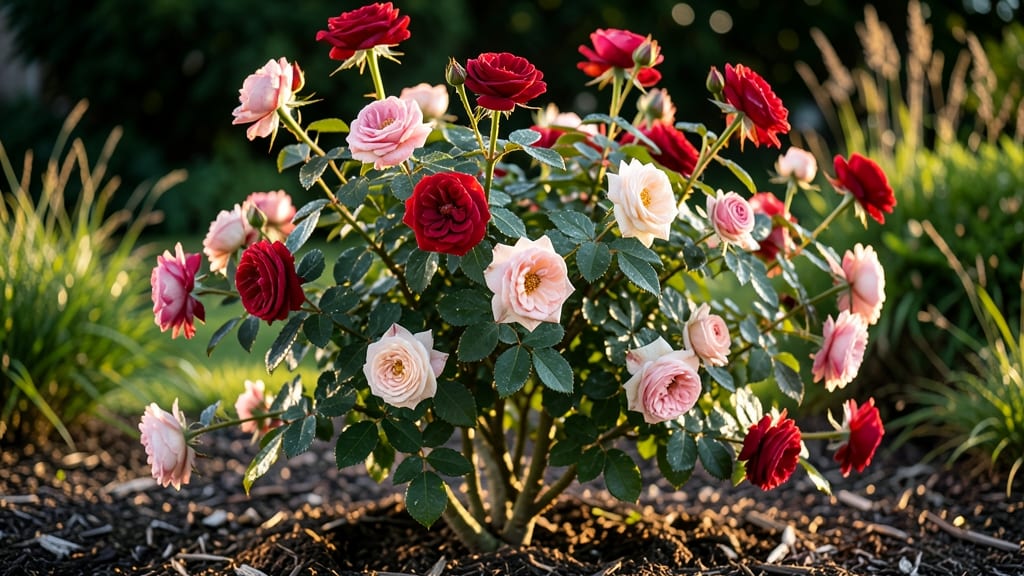
The Rose Garden song, written by Amanda McBroom and performed by Lynn Anderson, captures a woman’s fleeting romance amid hardship, using a garden as a symbol of hope and emotional contrast between beauty and reality.
The Rose Garden song’s lyrics paint a vivid picture of a woman finding solace—and love—in a garden while her husband works away, creating a poignant contrast between the garden’s vibrant beauty and the harshness of her daily life. 🌹 This duality isn’t just poetic; it mirrors real struggles, like separation or financial hardship, where small moments of joy stand out against a tougher reality.
The roses themselves become a metaphor for resilience, thriving even in challenging conditions, much like the woman’s enduring spirit.
What makes the song’s imagery so powerful is how it ties nature directly to human emotion.
The garden isn’t just a setting—it’s a character, offering both comfort and a reminder of what’s missing. 🌿 For example, the roses’ thorns could symbolize the pain of longing, while their blooms represent fleeting happiness.
This balance is what gives the song its timeless appeal, resonating with anyone who’s ever found beauty in difficult times.
💡 In This Article
- The Symbolism Behind Rose Garden Lyrics and Gardening Imagery
- How to Recreate the Rose Garden Atmosphere in Your Own Yard
The symbolism behind Rose Garden Lyrics and Gardening Imagery
The garden in Rose Garden isn’t just a backdrop—it’s a living metaphor for emotional resilience.
Roses, with their delicate petals and sharp thorns, perfectly capture the song’s duality: beauty and pain coexist. 🌹 Botanically, roses thrive in challenging conditions (like poor soil or drought), mirroring how the song’s protagonist finds joy despite hardship.
This parallel extends to real-life struggles, where small moments of happiness—like a blooming rose—stand out against tougher realities.
The song’s lyrics use specific botanical details to deepen meaning. For example, the "red rose" often symbolizes love, while "white roses" represent purity or new beginnings.
The garden’s vibrant colors contrast with the woman’s lonely existence, emphasizing how nature becomes her emotional anchor. 🌿 Even the song’s structure—shifting from the garden’s beauty to the husband’s absence—mirrors how roses bloom in cycles, just as emotions ebb and flow.
This imagery isn’t accidental; it’s rooted in agricultural history. Roses have long been tied to labor and sacrifice (like the roses grown by workers in 19th-century Europe), which aligns with the song’s themes of hard work and separation.
The garden’s "sweet perfume" in the lyrics could also reflect how roses release more scent in the evening—a time when the protagonist might reflect on her loneliness. 🌹 This sensory detail grounds the song in real-world botanical science, making the metaphor feel tangible.
The song’s resilience theme extends to the roses themselves. Many rose varieties (like the Knock Out rose) are bred to withstand harsh conditions, much like the woman’s enduring spirit.
This connection makes the garden more than decor—it’s a symbol of hope that persists through struggle. 💛 For listeners, it’s a reminder that beauty and pain often grow side by side, just like roses and thorns.
Consider how the song’s lyrics use gardening as a metaphor for emotional care. The protagonist tends to the garden as she tends to her feelings, nurturing both with patience and hope.
This duality is why the song resonates: it turns a simple garden into a stage for human emotion, where every bloom or withered leaf tells a story. 🌿 The roses’ ability to regrow each season mirrors the cyclical nature of healing and longing.