
Tools
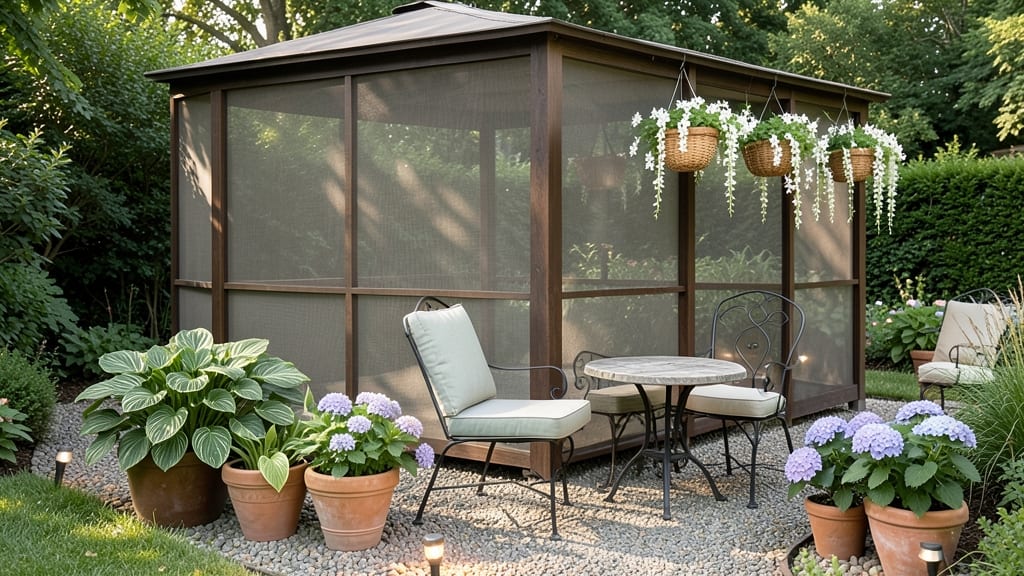
A screened-in garden creates a private, climate-controlled retreat where you can enjoy nature without the bugs, wind, or prying eyes.
Picture this: a cozy corner of your yard where you can garden year-round, host dinner parties under the stars, or unwind with a book—all while keeping mosquitoes, pollen, and neighbors at bay. The best part? You don’t need a massive budget or a ton of space to make it happen.
Whether you’re dreaming of a small enclosed patio, a sunroom-style addition, or a pest-proof growing area, the right design blends functionality with beauty. We’ll cover everything from choosing durable materials (like polyester mesh or aluminum frames) to clever layout tricks for privacy and airflow.
By the end, you’ll know exactly how to build a screened-in space that feels like an extension of your home—no matter the season or your backyard’s size.
How to design a screened-in garden for maximum privacy and functionality
A screened-in garden transforms your outdoor space into a private retreat while protecting your plants from pests and harsh weather. The key lies in balancing durability, aesthetics, and functionality.
Whether you want a year-round greenhouse or a cozy outdoor living room, the right design will make it happen. Start by assessing your space—measure dimensions, note sunlight patterns, and consider how you’ll use the area.
Your screen material will determine privacy, airflow, and maintenance needs. Polyester mesh offers lightweight privacy with UV protection, while aluminum frames provide sturdy, long-lasting support. Bamboo screens add natural beauty but may require more upkeep.
Each option has trade-offs, so let’s compare them to help you decide what fits your climate and style.
Next, decide whether your screened garden will be freestanding, attached to your home, or retractable for flexibility.
A freestanding structure works well for small yards or rental properties, while an attached design maximizes space efficiency and may qualify for tax breaks. Retractable screens are ideal if you want seasonal control—open them in summer for airflow or close them in winter for warmth.
Zoning your space is crucial for functionality. Dedicate one-third of the area to gardening, another third to seating or lounging, and the final third to storage or utilities.
Place potted plants near the southern exposure for maximum sunlight, while shade-loving varieties like ferns or hostas thrive near northern walls. Add shelving units or built-in benches to keep tools and decor organized.
Climate plays a huge role in screen durability and plant health. In humid regions, opt for aluminum frames with mesh ventilation to prevent mold. For dry climates, polyester screens reduce water loss and UV damage.
If you live in a windy area, reinforce corners with galvanized brackets or concrete footings to avoid sagging.
Don’t overlook lighting and ventilation—even in a screened garden. Install solar-powered LED lights along pathways and small fans near seating areas to circulate air. For humidity control, consider dehumidifiers or louvered panels that open automatically. These upgrades make your space comfortable year-round and protect delicate plants from stress.
To save money, start small with a DIY kit or pre-fabricated panels. Many hardware stores sell screen room kits with assembly instructions. If you’re handy, pressure-treated wood frames paired with custom mesh can cut costs significantly.
Just ensure all materials are treated for outdoor use to prevent rot or warping.
Finally, personalize your space with weather-resistant furniture, vertical gardens, and outdoor rugs. Add citrus trees or herbs for fresh air and scented flowers like jasmine or gardenia for a tropical vibe.
With the right design, your screened-in garden will become the heart of your home—a place to escape, grow, and unwind.
Ready to sketch your dream layout? Grab a pencil and start by mapping out your must-have zones—then bring your vision to life, one screen at a time. 🌿
Best plants for screened gardens: low-maintenance choices that thrive in enclosed spaces
A screened-in garden offers a unique microclimate where humidity lingers, shade softens sunlight, and limited space demands smart plant choices. The key is selecting varieties that thrive in these conditions while requiring minimal upkeep.
I’ve curated a list of low-maintenance plants that excel in enclosed spaces, from shade-loving ferns to drought-tolerant succulents, ensuring your garden stays lush without constant attention.
For humidity-loving plants, focus on varieties that appreciate the moist air trapped inside screens. These include hostas, calatheas, and impatiens, which flourish with minimal sunlight and consistent moisture.
Meanwhile, drought-resistant options like snake plants and zebra plants are perfect for areas with occasional airflow or less frequent watering. Together, these plants create a balanced ecosystem that’s both beautiful and resilient.
Don’t overlook vertical gardening solutions—they’re a game-changer for maximizing space in screened gardens. Climbing ivy, pothos, or string of pearls can transform walls and trellises into living art while purifying the air.
These plants also help regulate humidity by absorbing excess moisture from the air, making them ideal for enclosed spaces.
🌿 Top Low-Maintenance Plants for Screened Gardens
- 🌱 Ferns (e.g., Boston Fern, Maidenhair) – Thrives in shade and high humidity; water when topsoil dries.
- 🌿 Hostas – Shade-tolerant perennials with minimal care; ideal for borders or containers.
- 🍋 Dwarf Citrus Trees (e.g., Meyer Lemon) – Needs bright indirect light; perfect for containers in screened spaces.
- 🪴 Snake Plant (Sansevieria) – Drought-resistant and air-purifying; thrives in low light.
- 🌸 Impatiens – Shade-loving annuals with vibrant blooms; great for hanging baskets.
- 🪴 Pothos (Epipremnum) – Fast-growing vine for vertical gardens; tolerates low light.
- 🌵 Zebra Plant (Haworthia) – Succulent for drought-prone areas; needs minimal water.
When selecting plants, consider their mature size to avoid overcrowding. For example, dwarf citrus trees stay compact in containers, while ferns and hostas spread slowly, making them ideal for ground cover. Group plants with similar watering needs together to simplify maintenance—like pairing humidity-loving ferns with moisture-retentive impatiens.
To further enhance your screened garden, incorporate air-purifying plants like spider plants or peace lilies. These varieties not only improve air quality but also add a touch of elegance with their lush foliage.
Place them near seating areas or workspaces to maximize their benefits while keeping your space both functional and inviting.
With the right plant selection, your screened garden can become a self-sustaining oasis that requires little effort to maintain. Focus on shade-tolerant, humidity-adapted, and drought-resistant varieties, and let your enclosed space thrive with minimal intervention. Happy gardening! 🌿