
Landscaping
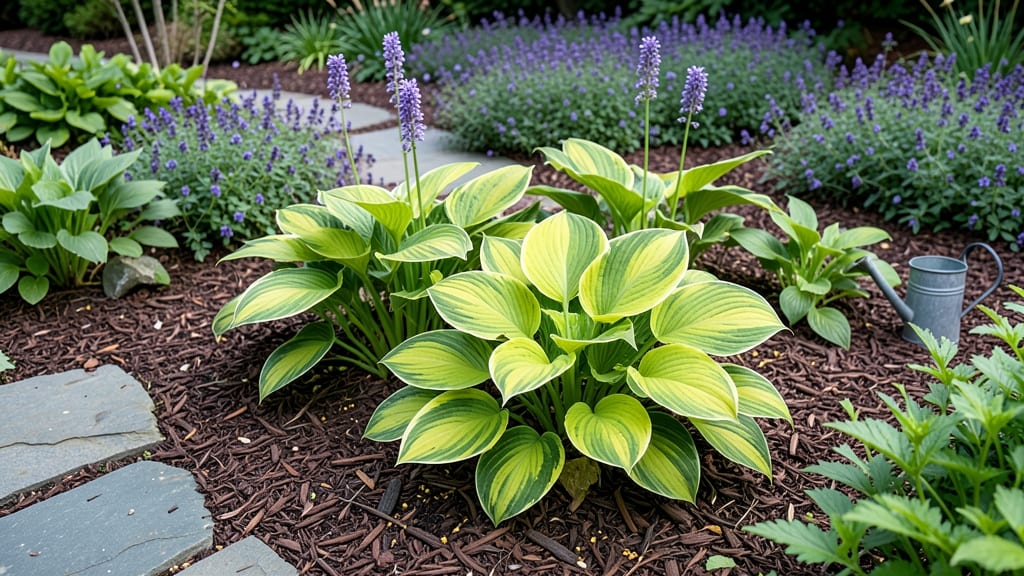
Creating a stunning shade garden with these ideas for Zone 6 doesn’t mean settling for dull or high-maintenance plants—some of the most vibrant, low-fuss designs thrive in low light.
Picture this: a shady corner bursting with color year-round, where ferns unfurl in spring, hostas bloom in summer, and evergreens keep things lush even in winter. The key is choosing the right plants and arranging them to make the most of what little light your garden gets.
If you’ve ever stared at a shadowy patch of your yard and wondered what to do with it, this guide is for you. We’ll walk through the best shade-loving perennials, shrubs, and annuals that require minimal care, plus design tricks to turn your darkest spots into a serene, thriving retreat.
By the end, you’ll have a step-by-step plan to layer plants for depth, pick hardy varieties that handle Zone 6’s climate, and keep maintenance simple—so you can enjoy your garden without the hassle.
 Best Window Placement
Best low-light plants for Zone 6 shade gardens that require minimal care
Creating a stunning shade garden in Zone 6 doesn't mean settling for dull, lackluster plants. With the right low-light selections, you can enjoy vibrant foliage, seasonal blooms, and year-round interest—all with minimal effort.
The key is choosing hardy perennials, evergreen ground covers, and drought-tolerant ferns that thrive in partial to full shade while requiring little water, pruning, or soil amendments.
Many gardeners avoid shade gardens because they assume they’re high-maintenance. But the truth is, some of the most low-care plants prefer shade! These varieties not only survive but thrive with minimal intervention, making them perfect for busy gardeners or those with woodland gardens under trees.
Plus, they often provide winter interest when other plants fade.
| Plant Type | Sun Needs | Water Needs | Mature Size | Seasonal Interest |
|---|---|---|---|---|
| Hostas (Hosta spp.) | Partial to full shade | Moderate (weekly) | 1–4 ft tall, 1–3 ft wide | Summer foliage, some varieties bloom |
| Japanese Painted Fern (Athyrium niponicum) | Partial to full shade | Low (drought-tolerant) | 1–2 ft tall, 2–3 ft wide | Year-round interest, silvery foliage |
| Coral Bells (Heuchera spp.) | Partial shade | Low to moderate | 1–2 ft tall, 1–2 ft wide | Colorful foliage year-round, spring blooms |
| Lungwort (Pulmonaria spp.) | Partial to full shade | Moderate (spring blooms) | 1–2 ft tall, 1–2 ft wide | Early spring blooms, spotted foliage |
| Sweet Woodruff (Galium odoratum) | Full to partial shade | Low (drought-tolerant) | 6–12 in tall, spreads wide | Fragrant foliage, spring blooms |
| Dwarf Mondo Grass (Ophiopogon japonicus 'Nana') | Partial to full shade | Very low (drought-proof) | 3–6 in tall, spreads slowly | Evergreen ground cover, year-round |
| Bleeding Heart (Dicentra spectabilis) | Partial shade | Moderate (spring blooms) | 2–3 ft tall, 1–2 ft wide | Spring flowers, fern-like foliage |
| Alum Root (Heuchera sanguinea) | Partial shade | Low to moderate | 1–2 ft tall, 1–2 ft wide | Reddish stems, spring blooms |
One of my favorite low-maintenance shade plants is the Japanese Painted Fern. This evergreen perennial thrives in full shade and requires almost no water once established. Its silvery foliage provides a striking contrast to darker leaves, and it’s deer-resistant, making it perfect for gardens with wildlife visitors.
Plus, it blooms in late summer with delicate brownish plumes that add subtle texture.
For colorful foliage that lasts all season, Coral Bells (Heuchera) are a must. These clump-forming perennials come in shades of purple, silver, lime green, and deep burgundy. They’re drought-tolerant once established and only need occasional division every few years to keep them looking fresh.
Pair them with Sweet Woodruff for a fragrant, low-growing ground cover that spreads gently without being invasive.
If you want spring blooms without fuss, Bleeding Heart (Dicentra spectabilis) is a classic. This shade-loving perennial produces heart-shaped flowers in pink or white and has fern-like foliage that stays attractive until fall. It’s self-cleaning, meaning spent blooms drop naturally, so you won
Layered shade garden design tips to maximize space and visual impact
A layered shade garden creates depth and visual interest while making the most of limited sunlight. By combining tall shrubs, mid-height perennials, and low ground covers, you can transform even the shadiest spots into a dynamic, year-round display.
The key is selecting plants that thrive in Zone 6 shade conditions while offering contrasting textures and seasonal color.
Start with a backbone of evergreen shrubs like inkberry holly or dwarf rhododendron, which provide structure and winter interest. These tall plants (4-6 feet) anchor your design and frame the space.
Next, add mid-height perennials such as hostas or astilbes (2-3 feet) to fill the middle layer with foliage and blooms. Finally, weave in low-growing ground covers like foamflower or sweet woodruff to soften the space and prevent weeds.
🌿 Layered Shade Garden Structure
- Top Layer (Tall Shrubs) – 4-6 ft (e.g., inkberry holly, dwarf rhododendron)
- Middle Layer (Perennials) – 2-3 ft (e.g., hostas, astilbes, heucheras)
- Bottom Layer (Ground Covers) – 6-12 in (e.g., foamflower, sweet woodruff, lamium)
- Seasonal Accents – Spring bulbs (e.g., bleeding hearts, trilliums) for early color
- Texture Contrast – Mix leathery leaves (e.g., heucheras) with delicate foliage (e.g., Japanese painted ferns)
Place your tallest plants at the back or along fences/walls to draw the eye upward and create a sense of enclosure. For mid-height perennials, group them in odd-numbered clusters (3, 5, or 7 plants) to mimic natural growth patterns and avoid a flat look.
Use ground covers to spill over edges, softening the garden’s outline and tying layers together. This technique also helps manage weeds naturally by covering bare soil.
Don’t forget to incorporate seasonal transitions for year-round appeal. Plant early spring bloomers like bleeding hearts or trilliums to brighten the garden before foliage fills in. In summer, astilbes and coral bells add plumes of color, while fall foliage from Japanese maples or smoke bushes extends the season.
Even in winter, evergreen shrubs and ornamental grasses keep the space lively.
To enhance visual impact, vary leaf shapes and colors. Pair deep purple heucheras with chartreuse hostas and silvery lamium for a striking contrast. Add structural elements like ornamental grasses or small trees (e.g., dwarf Korean dogwood) to add movement and height variation.
These details make your shade garden feel dynamic and intentional, even in low light.
Finally, leave room for pathways or stepping stones to meander through your design, inviting exploration. Mulch with wood chips or shredded bark to suppress weeds and retain moisture, which is especially important in shady areas where soil stays damp.
With these layered strategies, your Zone 6 shade garden will feel intentional, lush, and full of life—no matter the season. 🌿