
Tools
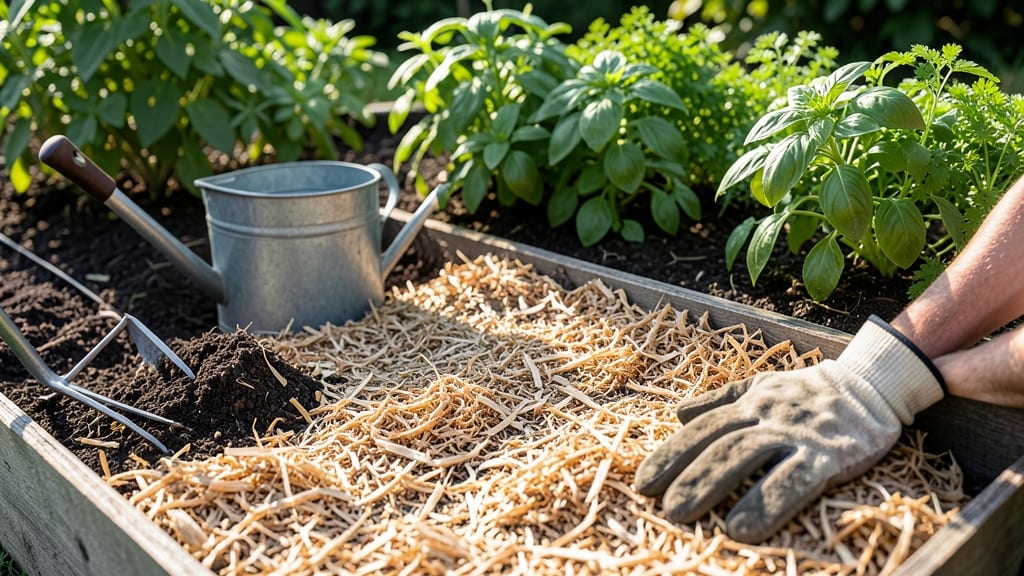
Using shredded newspaper in the garden suppresses weeds, retains soil moisture, and adds organic matter as it decomposes, though it should be balanced with other compost materials for optimal plant nutrition. Always use ink-free paper to avoid chemical risks.
Shredded newspaper acts as a natural mulch that blocks sunlight from reaching weed seeds, preventing them from sprouting while keeping soil cool and damp. 🌱 The carbon-rich material breaks down slowly, enriching the soil with organic content over time.
However, since newspaper lacks nitrogen, pairing it with nitrogen-rich materials like grass clippings or manure creates a balanced compost blend that supports plant growth without depleting nutrients.
For best results, apply a 2-3 inch layer of shredded newspaper around plants, ensuring it doesn't touch plant stems directly to avoid moisture buildup. This method works particularly well for vegetables, flowers, and shrubs in garden beds where weed control is a priority.
💡 In This Article
- How Shredded Newspaper Improves Soil Health
- Best Practices for Applying Shredded Newspaper in Gardens
How shredded newspaper improves soil health
Shredded newspaper works as a soil amendment because it's primarily made of cellulose—a complex carbohydrate that provides a steady source of carbon for beneficial soil microbes. When buried or left to decompose, these microbes break down the cellulose into simpler compounds, releasing carbon dioxide and creating humus.
This process improves soil structure by binding particles together, increasing porosity for better water and air circulation. Think of it like adding tiny scaffolding to your soil, creating spaces where roots can grow more easily and beneficial organisms can thrive.
The weed suppression happens through a simple but effective mechanism: blocking sunlight. Newspaper layers 2-3 inches thick create a physical barrier that prevents light from reaching weed seeds, halting germination. Studies show this can reduce weed visibility by up to 80% in vegetable gardens.
The paper also retains moisture by slowing evaporation—similar to how a damp towel stays cool longer than bare skin. This moisture retention is especially valuable during dry spells when plants need consistent hydration to thrive.
The paper's texture, when shredded properly, creates air pockets that prevent compaction while still maintaining moisture.
However, there's a catch: newspaper lacks nitrogen, which is essential for plant growth. When it decomposes, microbes consume available nitrogen to break down the carbon-rich material, potentially creating a temporary nitrogen deficit in the soil.
This is why gardeners often pair shredded newspaper with nitrogen-rich materials like grass clippings, coffee grounds, or manure in a 3:1 carbon-to-nitrogen ratio. For example, mixing 3 parts shredded newspaper with 1 part fresh grass clippings creates a balanced compost blend that supports both decomposition and plant nutrition. 🌱
The decomposition timeline varies based on conditions. In warm, moist soil, shredded newspaper breaks down within 3-6 months, while cooler climates may take 6-12 months. During this time, the paper's lignin content (a woody polymer) releases slowly, contributing to long-term soil fertility.
Unlike synthetic mulches, this organic matter improves soil tilth over time, reducing the need for chemical fertilizers. The key is to monitor the soil's health—if plants show signs of nitrogen deficiency (yellowing leaves), supplement with compost tea or blood meal.
One often-overlooked benefit is the paper's ability to reduce soil-borne diseases. The physical barrier limits pathogen movement between soil and plant stems, particularly for root crops like carrots and potatoes.
The alkaline nature of newspaper (pH around 7.5-8.5) also helps neutralize acidic soils over time, creating a more balanced growing environment. For example, in acidic garden beds with pH below 6.0, adding shredded newspaper can gradually raise the pH toward the ideal range of 6.0-7.0 for most vegetables.
To maximize these benefits, avoid using glossy or colored papers, which may contain toxic inks or dyes that leach into the soil. Stick to black-and-white, uncoated newspaper—this ensures you're adding a safe, chemical-free amendment.
The paper's decomposition also introduces beneficial fungi like mycorrhizae, which form symbiotic relationships with plant roots, enhancing nutrient uptake. This creates a virtuous cycle where healthy soil supports stronger plants, which in turn produce more organic matter when they decompose. 💫