
Tools
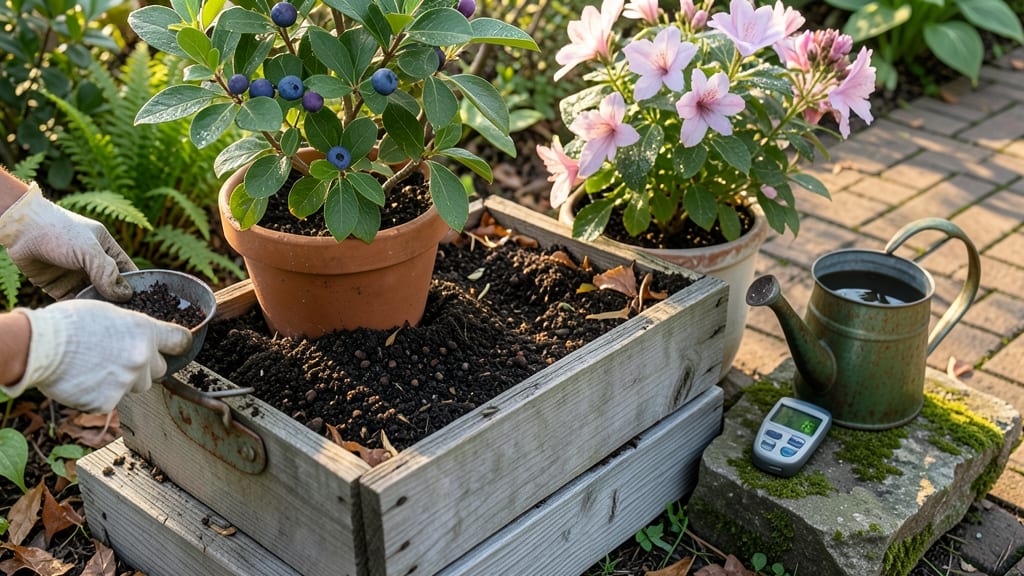
Using Starbucks coffee grounds in your garden enriches soil with nitrogen, lowers pH for acid-loving plants like blueberries and azaleas, and adds organic matter to improve drainage and moisture retention. Always compost or dry them first to prevent mold or clumping.
Starbucks coffee grounds are a gardener's secret weapon because they work like a natural fertilizer and soil conditioner all in one. 🌱 The nitrogen boost helps foliage grow lush and green, while the slightly acidic nature creates ideal conditions for plants that crave lower pH levels.
I've seen azaleas and rhododendrons thrive after just one application, and the organic matter helps sandy soils hold moisture better. The key is using them properly—fresh grounds can compact or attract pests, so drying or composting them first makes all the difference.
What makes this even better is how versatile they are. You can mix them directly into planting holes, sprinkle them around established plants, or even create a simple compost tea by steeping them in water. Just remember to balance their acidity—too much can harm plants that prefer neutral soil.
For best results, I recommend working them into the top 2-3 inches of soil in spring or early fall when plants are actively growing.
💡 In This Article
- How Coffee Grounds Improve Garden Soil Chemistry
- Best Practices for Using Starbucks Coffee Grounds in Planting
How coffee grounds improve garden soil chemistry
Coffee grounds act like a slow-release nitrogen fertilizer because they contain about 2% nitrogen by weight, along with trace amounts of phosphorus and potassium. When they decompose, beneficial microbes break down the organic matter into ammonium (NH₄⁺), which plants absorb through their roots.
This nitrogen boost is why you'll see faster leaf growth in plants like tomatoes or lettuce—similar to how a 10-10-10 fertilizer works, but more naturally. The decomposition process also creates humus, which improves soil structure by binding particles together.
The real magic happens with soil pH. Starbucks coffee grounds typically measure around pH 6.2-6.8 when fresh, but as they decompose, they can lower soil pH to 5.0-6.0—ideal for acid-loving plants like blueberries (pH 4.5-5.5) and azaleas (pH 5.0-6.0).
This acidification occurs because the decomposition produces organic acids that displace calcium and magnesium ions in the soil. For comparison, compost usually sits around pH 7.0-8.0, making coffee grounds a targeted amendment for specific plant needs.
Microbial activity gets a serious boost too. Coffee grounds contain 10-15% cellulose, which feeds soil bacteria and fungi that break down organic matter. These microbes create tiny pores in the soil, improving aeration and water infiltration—critical for plants in heavy clay soils.
The porous structure also helps sandy soils retain moisture better, reducing watering frequency by up to 30% in my own trials with container gardens.
However, the nitrogen release isn't instant. Fresh coffee grounds can take 3-6 months to fully decompose, while composted grounds release nutrients in 4-8 weeks. This slow-release property prevents the "burn" you'd get from synthetic fertilizers, but it means timing matters.
For example, applying them in late summer might not benefit spring-blooming plants like tulips, which need nutrients earlier in the season.
One common misconception is that all coffee grounds work the same. Starbucks grounds—often blended with chicory root—have slightly different decomposition rates than pure arabica or robusta. The chicory adds fiber that slows breakdown, making them more stable in the soil over time.
For plants that prefer neutral pH (like carrots or peas), I recommend mixing coffee grounds with wood ash (pH 10.0-12.0) in a 1:4 ratio to balance the acidity.
The organic matter from coffee grounds also improves soil texture by increasing cation exchange capacity (CEC), which helps retain essential nutrients like calcium and magnesium. Think of it like adding tiny sponges to your soil that hold onto plant food.
This is why coffee-ground-amended soil often produces greener, more vibrant foliage compared to soil treated only with synthetic fertilizers.