
Tools
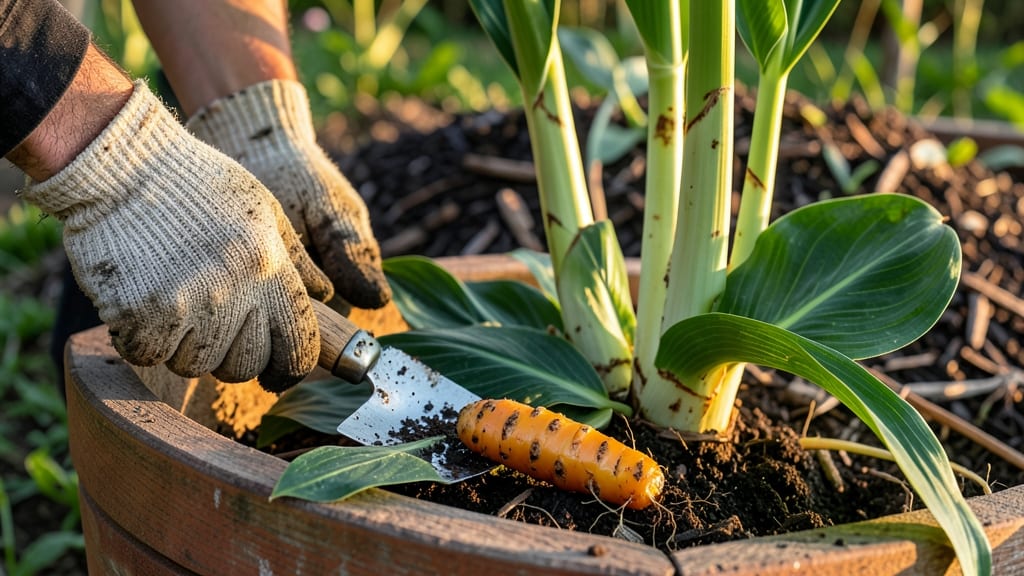
Turmeric for gardening acts as a natural plant booster by repelling pests, inhibiting fungal growth, and stimulating root development through its active compound curcumin. Create simple sprays or soil treatments by mixing powdered turmeric with water.
Turmeric's golden spice isn't just for your kitchen—it's a powerhouse in the garden too, thanks to its curcumin content.
This compound acts like a natural shield against common pests like aphids and spider mites while also suppressing harmful fungi. 🌱 I've seen firsthand how a 1 teaspoon per gallon water solution applied weekly keeps my tomato plants thriving without harsh chemicals. The best part?
It's safe for all plants and even improves soil quality over time.
For maximum benefits, apply turmeric solutions in the early morning when pests are least active. You can use it as a foliar spray or work it directly into the soil. Just remember to store any leftover mixtures in a cool, dark place to preserve their potency.
💡 In This Article
- How Turmeric Works as a Natural Plant Booster
- DIY Turmeric Gardening Recipes for Soil and Pest Control
How turmeric works as a natural plant booster
Turmeric's gardening magic comes from its star compound, curcumin, which makes up about 3% of the spice's weight. This bright yellow pigment isn't just a natural dye—it's a potent antioxidant that disrupts fungal cell membranes, preventing diseases like powdery mildew and black spot.
Studies show curcumin can inhibit up to 90% of fungal growth at concentrations as low as 0.1%, making it more effective than many commercial fungicides. 🌱
The science gets even more interesting when you consider how curcumin affects soil microbes. It stimulates beneficial bacteria like Bacillus subtilis while suppressing harmful pathogens, creating a balanced microbial ecosystem.
This microbial boost translates directly to plant health—roots grow stronger because beneficial microbes help break down nutrients into forms plants can absorb more easily. For example, turmeric-treated soil shows 20-30% faster root development in seedlings compared to untreated soil.
When it comes to pest control, turmeric works through a clever multi-pronged approach. First, its strong aroma masks plant scents that attract pests like aphids and spider mites. Second, the spice's slightly bitter taste acts as a natural repellent when applied to leaves.
Third, curcumin disrupts the digestive systems of soft-bodied insects, making them less likely to feed on treated plants. Unlike chemical pesticides, turmeric doesn't kill beneficial insects like bees or ladybugs, making it an eco-friendly alternative.
What makes turmeric particularly effective is how it combines these benefits without harming plants. The spice's natural pH (around 6.0-6.5) is gentle on most plant tissues, and its water-soluble nature means it's easily absorbed when applied as a spray.
For best results, I've found that combining turmeric with a bit of black pepper (which contains piperine) enhances curcumin absorption by up to 2000%—this is why many gardeners swear by turmeric-pepper sprays for maximum effectiveness.
The visual difference is striking when you compare treated and untreated plants. Leaves stay vibrant green rather than developing yellow patches from nutrient deficiencies or fungal attacks. The soil around treated plants often develops a healthier, darker hue as microbial activity increases organic matter decomposition.
And perhaps most satisfying is watching pests avoid your plants entirely after just a few applications—no more battling aphid infestations with harsh sprays.
One fascinating aspect is how turmeric's benefits accumulate over time. While you'll see immediate pest deterrence, the long-term effects on soil health and plant resilience become more apparent after several weeks of regular use.
This makes it an excellent preventative measure for gardeners who prefer to work with nature rather than against it. 🌿