
Tools
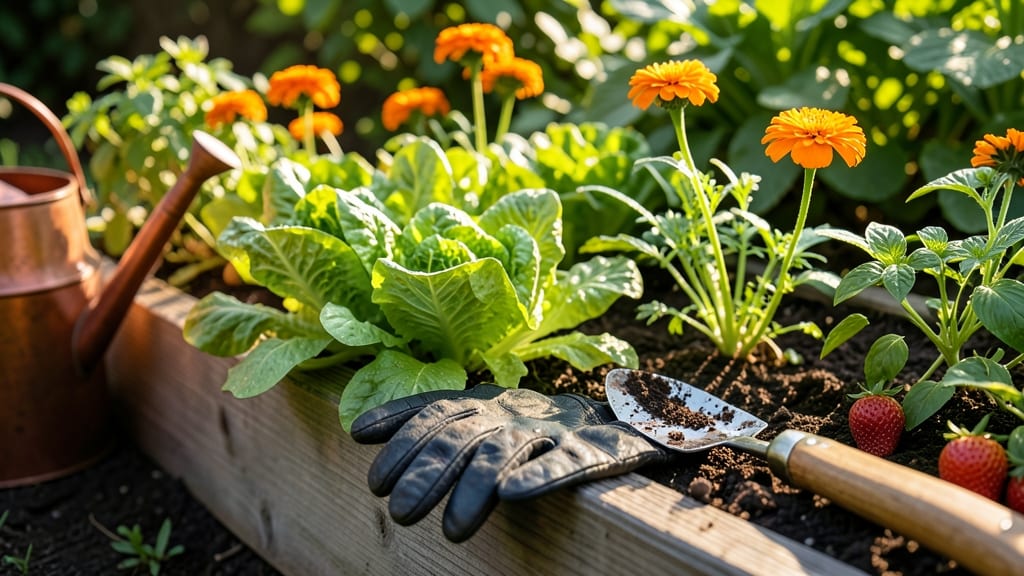
Gardening means cultivating plants—whether vegetables, flowers, or herbs—for aesthetic, functional, or ecological purposes, blending horticultural skill with environmental stewardship to nurture growth and sustainability.
At its core, gardening is about nurturing life through deliberate plant care, whether you're growing tomatoes for your kitchen, marigolds for beauty, or native wildflowers to support local ecosystems. 🌱 The practice combines practical skills—like soil preparation, watering techniques, and pest management—with patience and observation.
What sets it apart is how it bridges science (understanding plant needs) and art (designing spaces that thrive). Even a small urban garden can make a difference by providing fresh food, improving air quality, or creating habitats for pollinators.
Beyond the obvious benefits like homegrown meals, gardening offers mental health perks too—studies show it reduces stress and boosts mood by connecting people with nature. The hands-on nature of tending plants also builds problem-solving skills, as gardeners learn to adapt when faced with challenges like drought or pests.
Whether you're a seasoned green thumb or a beginner with a windowsill herb garden, the act of growing something from seed to harvest creates a tangible sense of accomplishment.
💡 In This Article
- The Science and Art Behind Gardening Practices
- How Gardening Benefits People and the Planet
The science and art behind gardening practices
Gardening thrives at the intersection of biology and creativity, where understanding plant physiology meets hands-on experimentation. At its foundation, gardening relies on photosynthesis—the process where plants convert sunlight, carbon dioxide, and water into glucose and oxygen using chlorophyll.
This isn't just textbook science; it's why your tomatoes thrive in full sun (6-8 hours daily) while lettuce prefers partial shade (3-4 hours) to prevent bolting.
The art comes in when you adjust these variables—like using reflective mulch to extend sunlight exposure or planting shade-tolerant varieties like Swiss chard in hot climates.
Soil health is another critical mechanism where science meets skill. Healthy soil contains 25-30% pore space for air/water, 5-10% organic matter, and billions of microorganisms per teaspoon—each playing a role in nutrient cycling.
The mycorrhizal fungi, for example, form symbiotic relationships with plant roots, increasing water absorption by up to 80% in drought conditions. This is why composting isn't just about waste reduction; it's about rebuilding this microbial ecosystem.
The texture matters too: sandy soil drains too quickly (ideal for root vegetables like carrots), while clay holds too much water (better for moisture-loving plants like hostas).
Pollination is where gardening directly impacts ecosystems, with 80% of flowering plants relying on animal pollinators. Strategic planting—like interspersing basil with tomatoes to attract bees—creates what's called a "pollinator corridor."
The scent compounds from flowers like lavender (linalool) and mint (menthol) act as natural attractants, while the plant's structure (e.g., deep-throated snapdragons) determines which pollinators can access nectar. This isn't random; it's why native plant gardens often have 50% more pollinator activity than non-native varieties.
The art comes in designing these relationships while maintaining visual appeal.
Companion planting takes this a step further by leveraging plant chemistry. For instance, marigolds release alpha-terthienyl, a compound toxic to nematodes, while protecting tomatoes from root-knot disease. The science is precise: planting basil near tomatoes can increase yield by 25% due to reduced pest pressure and improved flavor compounds.
Yet the "art" lies in balancing these relationships—some combinations (like beans and onions) are mutually beneficial, while others (beans and garlic) compete for nutrients. This requires observation and adjustment, making each garden a living experiment.
Organic methods add another layer of complexity. Instead of synthetic fertilizers that provide immediate but short-term nutrients, organic approaches focus on slow-release systems like cover crops (clover fixes nitrogen) or biochar (increases soil water retention by 30%). The key difference is building soil fertility rather than just feeding plants.
This is why organic gardens often have 25% higher microbial diversity, which improves disease resistance. The trade-off? More planning—rotating crops annually to prevent soil depletion or using row covers to protect against pests without chemicals.
What most people don't realize is how gardening creates microclimates that can shift local ecosystems. A well-planted garden can reduce urban heat island effects by up to 5°F through evapotranspiration, while a single bee-friendly garden can increase local pollination rates by 30%.
The art here is designing for both beauty and function—like using drought-tolerant succulents in hot borders while still creating visual interest. This dual focus on science and aesthetics is what makes gardening uniquely rewarding.