
Tools
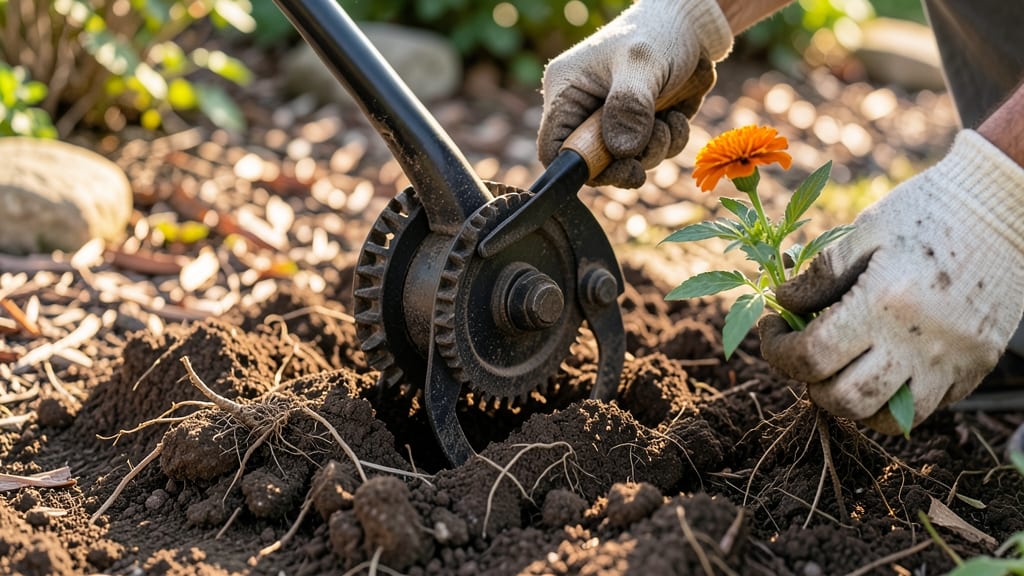
A garden cultivator is used for aerating, tilling, and loosening soil to improve drainage, reduce compaction, and prepare seedbeds—tasks that are faster and more efficient than using a shovel alone. It also helps remove weeds and incorporate organic matter without excessive strain on the back.
A garden cultivator transforms heavy, compacted soil into loose, workable ground in minutes—something a shovel would take hours to achieve. 🌱 The rotating tines break up clay layers and thatch, letting air and water penetrate deeper while preventing soil erosion.
I’ve seen it turn stubborn garden beds into fertile planting zones overnight, especially when mixed with compost. For larger areas or tough clay, the motorized versions save your back while delivering consistent results.
Beyond basic tilling, cultivators excel at five key tasks: clearing debris before planting, mixing in fertilizer evenly, creating seed furrows, aerating lawn edges, and even light weeding. The key is using the right attachments—like wide tines for heavy soil or narrow ones for precision work.
Just remember: over-tilling can disrupt soil structure, so moderation is key for long-term garden health.
💡 In This Article
- How Garden Cultivators Improve Soil Health
- Top 5 Soil Prep Tasks a Cultivator Excels At
How garden cultivators improve soil health
The key to a cultivator’s power lies in its rotating tines, which physically break apart soil layers down to 4-6 inches—far deeper than a shovel’s 1-2 inch reach. This disruption shatters compacted clay particles, creating larger pores that improve water infiltration by up to 30%.
In heavy clay soils, where water pools and roots suffocate, a cultivator’s tines act like tiny plows, carving channels that mimic natural drainage patterns. 🌱
Biologically, tilling stimulates microbial activity by exposing dormant organisms to fresh oxygen and organic matter. Studies show that disturbed soil releases 10-15% more carbon dioxide temporarily as microbes decompose newly exposed organic material—this "wake-up call" jumpstarts nutrient cycling.
However, motorized cultivators with 10+ horsepower can overwork the soil, killing beneficial fungi and earthworms if used excessively.
Hand cultivators (like the Bolt 1000) offer precision for small beds, while electric models (WORX WG450) handle 200 sq ft/hour with less fatigue. The trade-off? Hand tools require 30-60 minutes for what a motorized unit does in 5 minutes.
For rocky soils, wider tines (12-18 inches) skip stones better than narrow ones, though they may disrupt shallow roots.
Seasonal timing matters too. Spring tilling after the first rain (40-50°F soil temp) prevents clumping, while fall cultivation (50-60°F) helps break down winter-killed weeds. Over-tilling in summer (70°F+) can dry out soil faster than evaporation rates, turning loose beds into dusty wastelands. 💫
For organic gardens, consider a broadfork (a cultivator cousin) that lifts soil without inverting it—preserving soil structure and earthworm habitats. The difference? Broadforks create vertical channels while cultivators chop horizontally, making them ideal for layering compost without burying it too deep.