
Tools
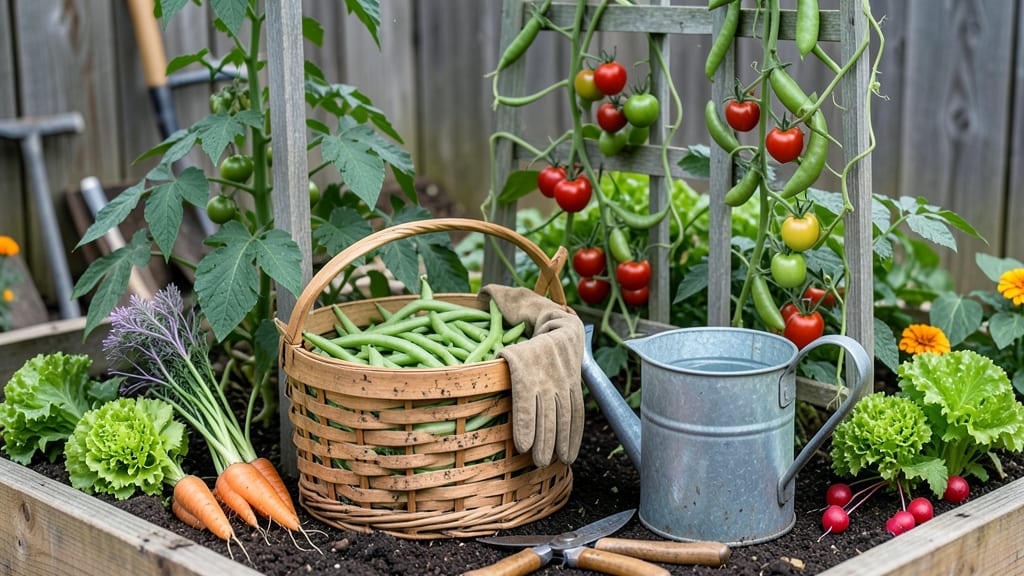
A victory garden is a homegrown vegetable and herb plot designed to supplement food supplies during shortages, originally popularized during World War II to support war efforts and conserve resources. These gardens boost self-sufficiency and community resilience today as well.
A victory garden isn't just about growing food—it's about reclaiming control over your food sources in an uncertain world. 🌱 During WWII, these gardens became a patriotic movement, with families across America cultivating everything from tomatoes to carrots to ease grocery store shortages.
Today, victory gardens are making a comeback as people seek sustainable, local food solutions and want to reduce their carbon footprint by growing their own produce.
What sets victory gardens apart is their focus on high-yield, nutrient-dense crops that thrive in small spaces. Unlike ornamental gardens, these plots prioritize practicality—think leafy greens like kale and spinach, or fast-growing vegetables like beans and zucchini.
The beauty of modern victory gardening is that you don't need a sprawling backyard; containers, raised beds, and even balcony gardens can produce impressive harvests with the right planning.
The movement also fosters community connections—neighbors often share seeds, tools, and harvests, creating a network of support.
Whether you're looking to cut grocery bills, learn new gardening skills, or simply enjoy fresher food, a victory garden offers a tangible way to contribute to both your household and your community's well-being.
💡 In This Article
- Victory Gardens in WWII: How They Fueled the Home Front
- Starting a Modern Victory Garden: Planning and Planting Tips
Victory gardens in WWII: how They fueled the home front
During World War II, victory gardens became a cornerstone of American resilience, with the U.S. government launching the "Food for Freedom" campaign in 1942. 🌿 The effort encouraged families to grow their own vegetables to free up grocery supplies for troops overseas.
At its peak in 1943, these gardens produced 40% of the nation's produce, including 9 million tons of food—equivalent to the output of 41 million acres of farmland. The most popular crops were tomatoes, potatoes, and cabbage, which were easy to grow and preserved well through canning.
Food rationing played a critical role in driving this movement.
Families received ration books with stamps for staples like meat, sugar, and butter, forcing them to rely on homegrown alternatives. 🍅 For example, a single family might grow 50 pounds of tomatoes in their backyard, enough to make hundreds of jars of sauce or canned tomatoes.
The government even distributed seed packets and gardening guides, turning even small urban plots into productive food sources. This wasn't just about saving money—it was about patriotism and supporting the war effort.
The impact extended beyond food production. Victory gardens created a sense of community and purpose during a time of national crisis. 🏡 Neighbors shared tools, seeds, and harvests, while children learned valuable skills like planting, weeding, and preserving food. Schools and churches often organized group gardens, reinforcing the collective effort.
The success of these gardens proved that even modest spaces could make a significant difference in food security, a lesson that resonates today as climate change and supply chain disruptions threaten global food systems.
What made victory gardens so effective was their focus on high-yield, low-maintenance crops.
For instance, a single 10-foot by 10-foot plot could yield 200 pounds of potatoes, enough to feed a family of four for months. 🥔 The gardens also prioritized crops that stored well, like carrots and onions, reducing waste.
This practical approach contrasts with ornamental gardening, where aesthetics often take precedence over productivity—a key reason victory gardens remain relevant in modern times.
Beyond the practical benefits, victory gardens had a psychological impact. 💛 They gave families a tangible way to contribute to the war effort, fostering a sense of empowerment and shared purpose. The government even used propaganda posters featuring characters like "Victory Vinnie," a rabbit encouraging children to grow vegetables.
This blend of education, community, and practical action made victory gardens a powerful tool for both feeding the nation and uniting its people during a challenging era.