
Tools
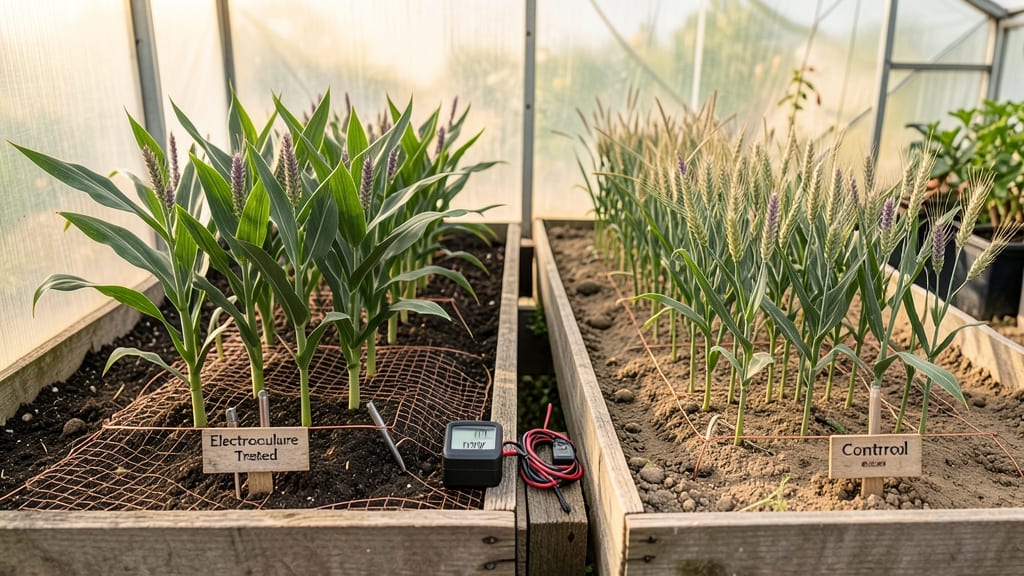
Electroculture gardening is a controversial gardening method that uses small electrical currents to supposedly stimulate plant growth, though mainstream science has yet to fully validate its effectiveness or safety.
This technique suggests that weak electrical currents—often delivered through copper wires buried in soil—might enhance nutrient uptake or cellular activity in plants. 🌱 Proponents claim it can accelerate growth, improve yields, or even help struggling plants recover, though skeptics argue the results are anecdotal at best.
The idea traces back to 19th-century experiments with bioelectricity, but modern horticulturists remain divided over whether the benefits outweigh the risks, especially when applied without proper controls.
What makes electroculture particularly contentious is the lack of standardized protocols. Some gardeners swear by DIY setups using household wiring, while others dismiss it as pseudoscience. Without rigorous, large-scale studies, it’s hard to separate genuine effects from placebo or environmental variables.
That said, the concept taps into a real phenomenon: plants do respond to electrical signals in nature, raising intriguing questions about how we might harness—or misuse—this process.
💡 In This Article
- How Electroculture Claims to Boost Plant Growth
- Controversies and Scientific Studies on Electroculture
How electroculture claims to boost plant growth
At its core, electroculture relies on the idea that plants naturally generate and respond to tiny electrical signals—think of it like their own bioelectrical communication system. Proponents argue that applying external currents mimics this natural process, potentially enhancing nutrient absorption or cellular repair.
The theory suggests that weak currents (typically 0.1-10 milliamps) could stimulate ion mobility in soil, making essential nutrients like nitrogen or potassium more accessible to roots. This aligns with Faraday’s law of electrolysis, where electrical fields accelerate ionic movement, though plants lack the conductive pathways seen in water-based systems.
One proposed mechanism involves cell membrane stimulation. Plant cells maintain voltage differences across their membranes (around -100 to -200 millivolts), and some researchers speculate that external currents could temporarily disrupt or enhance these potentials.
For example, a 2010 study in Journal of Plant Physiology found that low-voltage electrical pulses could trigger calcium ion influxes—key signals for growth responses.
However, the effects observed were often subtle and context-dependent, with results varying by plant species and soil composition. 🔥 The challenge lies in replicating these conditions without causing cellular stress.
Practical applications often involve burying copper wires near plant roots, connected to a low-voltage power source (like a 9-volt battery). Advocates claim this creates a "bioelectric field" that stimulates root growth or even helps plants recover from disease.
Yet critics point out that copper itself may contribute to growth through trace mineral release, complicating the separation of electrical effects from chemical ones.
The lack of standardized current levels or application durations makes it difficult to isolate true electrocultural benefits from other variables like improved aeration or microbial activity near the wires.
What’s fascinating is that plants do use electrical signals for communication—think of how damaged leaves send voltage spikes to trigger defensive responses. But scaling this into a gardening tool requires precise control.
For instance, a 12-volt setup might overstimulate roots, leading to tissue damage or even electrolysis of water into hydrogen and oxygen gases, which could suffocate roots. The sweet spot, if it exists, likely falls within microampere ranges, where cells respond without distress.
This precision is why many horticulturists remain skeptical: home gardeners rarely have the tools to measure or calibrate such delicate interactions.
Consider the case of tomatoes, where anecdotal reports suggest electroculture can double fruit yield. While some growers attribute this to accelerated nutrient uptake, others argue the effect stems from improved soil structure or reduced fungal competition near the copper wires.
Without controlled variables, it’s impossible to say whether the electricity itself is responsible—or if the perceived benefits are a mix of physical, chemical, and biological factors. The debate hinges on whether we’re observing a genuine horticultural tool or an elaborate placebo effect amplified by the gardener’s enthusiasm. 🌱
For those intrigued by the concept, the key takeaway is to approach electroculture with caution. Start with low voltages (3-6 volts) and monitor plants closely for signs of stress (wilting, discoloration).
If you’re experimenting, document conditions meticulously—soil type, moisture levels, and plant responses—to distinguish electrical effects from other variables. The science may still be murky, but the exploration itself offers a fascinating glimpse into how plants might "speak" electrically.