
Fertilization
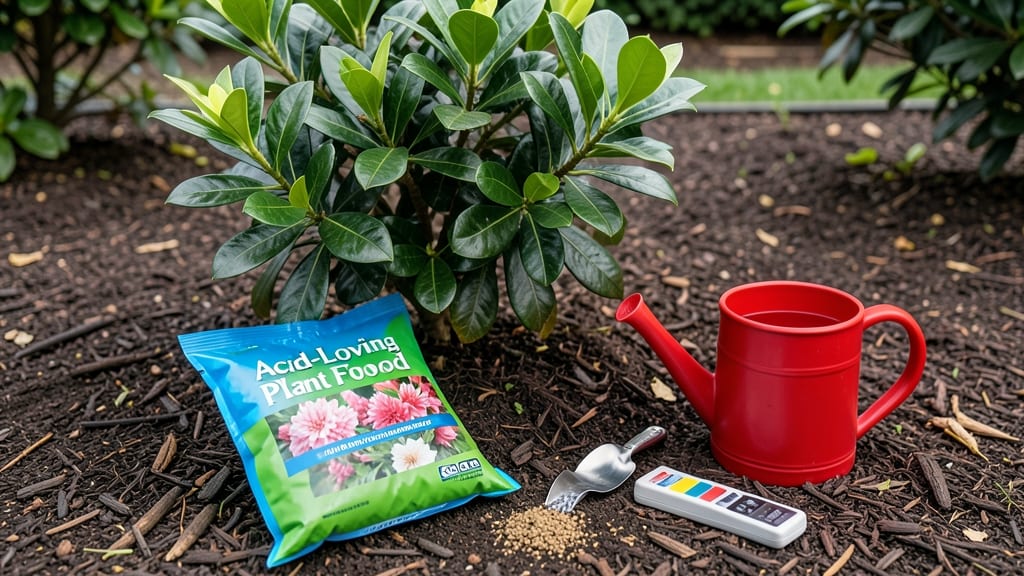
Fertilizing gardenias at the right time—like in early spring and mid-summer—is the key to those fragrant blooms you love 🌸.
Struggling to get your gardenias to bloom? The secret might be as simple as timing your fertilizer perfectly—miss the window, and you could be wasting both money and effort.
These shrubs thrive when fed during their active growth phases, but overdoing it in fall or winter can actually harm them. A balanced approach means more flowers and healthier plants.
Below, I’ll break down the best months to feed your gardenias, how often to do it, and which fertilizers work best for their needs.

Best fertilization schedule for gardenias by season (with key timing tips)
Getting your gardenias to produce those fragrant white blooms year after year requires more than just water and sunlight—it’s all about timing your fertilizer correctly. Gardenias thrive when fed during their active growth phases, but over-fertilizing at the wrong time can actually stunt blooms or damage roots.
The key is understanding their seasonal needs and adjusting your feeding schedule accordingly.
Gardenias are heavy feeders during spring and summer when they’re pushing out new growth and preparing for their peak blooming season. However, they go dormant in fall and winter, meaning fertilization during these months can stress the plant.
Below, I’ll break down the exact months, frequency, and fertilizer types to use for each season, plus how to spot when your gardenia is truly hungry for nutrients.
In early spring (March), your gardenia wakes up from dormancy and starts producing new leaves. This is the perfect time for a light feed with an acid-loving fertilizer like 8-3-9 to encourage root and shoot growth.
Think of it as a gentle wake-up call—too much fertilizer now can burn tender roots still recovering from winter.
By April and May, your gardenia should be showing signs of vigorous growth, with buds forming for the upcoming blooming season. This is when you can increase the frequency to every 4-6 weeks, using a balanced fertilizer (10-10-10) or one formulated specifically for azaleas and gardenias.
The goal here is to support both foliage and flower production.
Summer (June through August) is peak blooming season for gardenias, and they’ll need consistent feeding to maintain those fragrant white flowers. Switch to a bloom-boosting fertilizer with higher phosphorus (the middle number in NPK) to encourage more flowers.
For example, a 10-20-10 formula will give your gardenia the phosphorus push it needs without overloading it with nitrogen, which can lead to leafy growth at the expense of blooms.
One of the biggest mistakes gardeners make is fertilizing in fall or winter. During these months, gardenias enter a natural dormancy period to conserve energy. Feeding them now can disrupt their rest cycle, leading to weak growth in spring. Instead, focus on mulching with pine bark or compost
Signs your gardenia needs fertilizer (and when to avoid it)
Your gardenia’s glossy leaves and fragrant blooms are your first clues about its health. If you notice yellowing leaves or fewer flowers than usual, it might be crying out for nutrients. But before reaching for that fertilizer, let’s diagnose the real issue—because over-fertilizing can do more harm than good.
Gardenias thrive on a balanced diet, but they’re sensitive to excess salts and nutrients. Nitrogen deficiency often shows as pale, yellow leaves, while phosphorus shortages can stunt flower production.
On the flip side, burnt leaf tips or sudden leaf drop are classic signs of over-fertilization. Let’s break down how to tell the difference and when to step in.
When to Fertilize Gardenias
- Spring (March-May): Light feed to kickstart growth
- Summer (June-August): Every 4-6 weeks for blooms
- After pruning: Encourages new leafy growth
- Organic options: Compost tea or fish emulsion
- Fall (September-November): Plant slows for dormancy
- Winter (December-February): Dormant phase, no uptake
- After heavy rain: Nutrients leach from soil
- If leaves are burnt: Sign of over-fertilization
🌱 Pro Tip: Always water first to prevent root burn!
If your gardenia’s leaves are turning yellow between veins, it’s likely a magnesium deficiency (often called chlorosis). In this case, apply Epsom salt (1 tbsp per gallon of water) every 2-3 weeks until the leaves regain their deep green hue.
For sparse blooms, a phosphorus-rich fertilizer (like 10-20-10) can encourage more flowers, but use sparingly.
On the other hand, if you spot crispy brown edges on leaves or notice white crust on the soil surface, you’ve likely overdone it. Flush the soil with water to leach out excess salts, and hold off on fertilizing for at least 2-3 months.
If roots look black or mushy, your gardenia may be suffering from root burn—trim the damaged roots and repot in fresh, acidic soil.
Recovery starts with consistent watering and partial shade. Gardenias need acidic soil (pH 5.0-6.5), so test your soil and amend with sulfur or peat moss if needed. Once your plant shows signs of new green growth, you can reintroduce a light fertilizer in early spring.
Remember, gardenias are slow growers—they don’t need heavy feeding. A balanced, slow-release fertilizer applied 2-3 times per year is often all they need to thrive. Pay attention to their growth cues, and you’ll keep your gardenia blooming beautifully for years.