
Planting
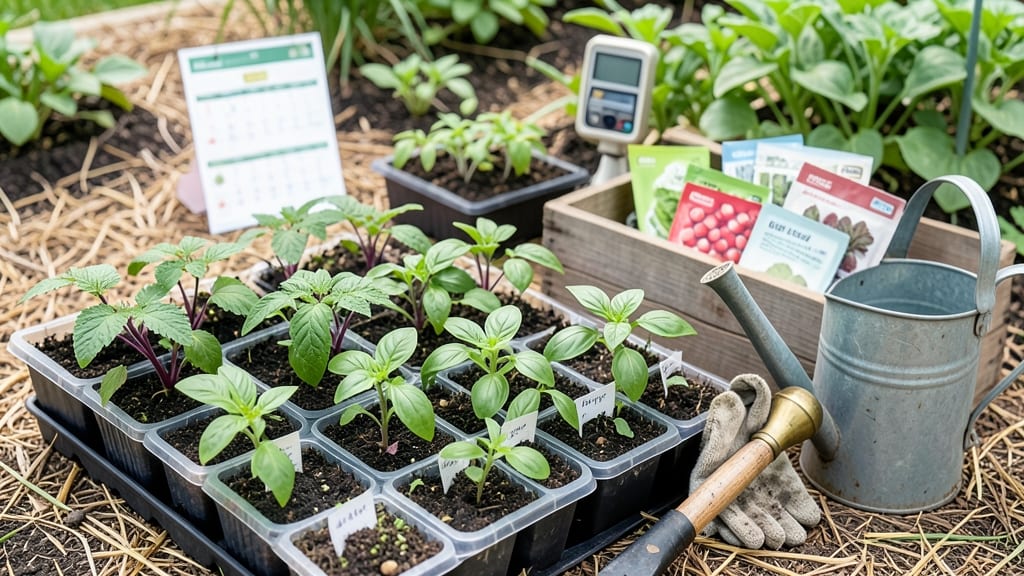
Planting your garden in Maryland at the right time means catching that sweet spot between frost and summer heat — a window that can make or break your harvest.
Maryland’s unpredictable spring weather can turn your garden dreams into a guessing game—plant too early and risk frost damage, too late and miss peak harvests. But with Maryland’s Zone 6-7 climate, timing your garden perfectly is easier than you think.
Cool-season crops like spinach and peas thrive when planted 4-6 weeks before your last frost, while tomatoes and peppers need the ground to warm up after April 15 in most areas.
A well-timed schedule also means avoiding common mistakes like planting heat-lovers too soon or missing the fall window for a second harvest.
In this guide, I’ll break down the exact planting deadlines for Maryland’s most popular General Garden Vegetables 🌱, including frost dates by region, soil prep tips, and how to adjust for microclimates—so you can grow a garden that’s both bountiful and stress-free.
Maryland’s frost dates by region: when to start planting zero-frost crops
Maryland’s Zone 6-7 climate creates a delicate balance for gardeners—too early and a late frost can devastate your tomatoes or peppers, while planting too late cuts your harvest short.
The key? Knowing your last frost dates by region. Whether you’re in Baltimore’s urban heat islands or the cooler Western Mountains, timing matters more than you might think.
Zero-frost crops like cucumbers, eggplants, and okra need warm soil and air to thrive. In Maryland, these heat-loving plants should only go in the ground after the average last frost date—and that date shifts 1-2 weeks depending on where you live.
Let’s break it down by region so you can plan with confidence.
🌱 Maryland Last Frost Dates & Planting Windows for Zero-Frost Crops
| Region | USDA Zone | Avg. Last Frost | Safe Planting Window | Key Crops |
|---|---|---|---|---|
| Baltimore Metro | Zone 7b | April 15 | April 22–May 10 | Tomatoes, Peppers, Cucumbers, Okra |
| Frederick County | Zone 6b-7a | April 22 | April 29–May 15 | Sweet Potatoes, Eggplant, Basil |
| Eastern Shore | Zone 7a-7b | April 10 | April 17–April 30 | Watermelon, Cantaloupe, Peppers |
| Western MD (Catoctin, Deep Creek Lake) | Zone 6a-6b | May 1 | May 8–May 22 | Tomatoes, Peppers, Corn |
Notice how the Eastern Shore gets a head start—its milder coastal climate means you can plant cucumbers and squash as early as mid-April, while Western Maryland’s higher elevations push planting back until early May. This 2-week difference can mean the difference between a bountiful harvest and a sad, frost-nipped garden.
For tomatoes and peppers, which are especially sensitive to cold, I recommend waiting until the soil temperature hits at least 60°F. Use a soil thermometer to check—cold soil slows germination and stunts growth.
Pro tip: If your region’s last frost date is uncertain, opt for transplants instead of seeds. They’ll establish faster and give you a better chance of beating the unpredictable late frosts that sneak into Maryland gardens.
Another trick? Extend your growing season by using black plastic mulch or row covers. These can warm the soil by 5-10°F, helping you plant 2 weeks earlier in cooler zones like Frederick. Just remember to remove covers once nighttime temperatures stay above 55°F to avoid overheating your plants.
If you’re in Baltimore’s urban areas, you might also benefit from the heat island effect. Pavement and buildings can raise temperatures by 5-10°F, making your microclimate slightly warmer.
This means you can plant 1 week earlier than rural areas just 20 miles away. Always observe your garden’s unique conditions—your backyard might have its own microclimate!
For fall planting, remember that Maryland’s first frost typically arrives between October 20 and November 10, depending on the region. If you’re growing zero-frost crops like okra or sweet potatoes, start seeds indoors in July to give them time to mature before the cold sets in.
For peppers, which are slow to produce, begin seedlings indoors in March and transplant after the last frost.
Finally, don’t forget to harden off your transplants before moving them outside. This 7-10 day process of gradually exposing them to outdoor conditions prevents shock and helps them adjust to Maryland’s
Best planting schedule for Maryland’s most popular vegetables (with frost tolerance notes)
Maryland gardeners know timing is everything—get your cool-season crops in too early, and a late frost will wipe them out. Plant your warm-season favorites too late, and you’ll miss peak harvests. The key? Understanding Maryland’s Zone 6-7 frost dates and using successive planting to stretch your growing season.
Whether you’re sowing spinach in March or transplanting tomatoes after Memorial Day, this schedule keeps your garden productive from spring to fall.
Start with Maryland’s average last frost dates: mid-April for most regions, but earlier in the Eastern Shore (Zone 7b) and later in the mountains (Zone 6a). Use these dates as your guide, but always check a local frost calendar—2023’s early April freeze caught many off guard!
For cold-hardy greens like kale and lettuce, begin sowing 4-6 weeks before the last frost. For heat-lovers like peppers and eggplants, wait until soil temps hit 60°F+—usually late May or early June.
🌱 Maryland Planting Timeline by Crop Type
- 🌿 Cool-Season Crops (March–April): Spinach, kale, lettuce, peas, radishes, carrots. Sow 4-6 weeks before last frost (early March in Zone 7, late March in Zone 6).
- ☀️ Warm-Season Crops (May–June): Tomatoes, peppers, cucumbers, beans, squash. Plant after last frost when soil is 60°F+ (use row covers for early starts).
- 🌻 Successive Plantings (April–August): Beets, bush beans, Swiss chard. Sow every 2-3 weeks for continuous harvests—e.g., plant lettuce in March, again in August for fall crops.
- 🌿 Fall Crops (August–September): Broccoli, cabbage, spinach, kale. Direct-sow 60-90 days before first frost (late July–early August) for a second harvest.
- 🌿 Herbs (March–May & August): Basil (after frost), parsley (spring/fall), cilantro (cool weather). Avoid summer heat for delicate herbs like dill.
💡 Pro Tip: Use row covers to extend early spring plantings by 2-3 weeks—perfect for broccoli and cabbage!
For warm-season vegetables, timing is critical. Tomatoes and peppers thrive with long, hot summers, so don’t rush them out—wait until mid-May at the earliest.
Start seeds indoors 6-8 weeks before transplanting to give them a head start. Beans and squash, on the other hand, are more forgiving—direct-sow them 2 weeks after the last frost for faster growth.
If you’re in Zone 6 (mountains or northern MD), opt for early-maturing varieties like ‘Early Girl’ tomatoes or ‘Bush Blue Lake’ beans to avoid fall frost.
Extend your harvests with successive planting, a gardener’s secret weapon. Leafy greens like lettuce and spinach bolt (go to seed) in the heat, so sow new seeds every 2 weeks from spring through early summer. Radishes mature in just 30 days, making them ideal for quick turnarounds.
Even carrots, which take longer, benefit from staggered plantings—start one batch in early April and another in late June for a fall crop. This method works for bush beans too: plant one row every 10 days to enjoy fresh pods all summer.
Don’t overlook herbs, which often get overlooked in planting schedules. Parsley and cilantro are cool-season plants—sow them in early spring and late summer for fall harvests. Basil, however, is a warm-season herb that wilts in cold, so wait until after Memorial Day to plant. Dill and chives are versatile: dill thrives in cool weather, while chives tolerate both spring and fall plantings.
For perennial herbs like oregano and thyme, divide and transplant in early spring or fall to avoid stress.
Plan for fall harvests now! Broccoli, cabbage, and kale are your best bets for a second growing season.
Start seeds indoors in early July or direct-sow in late July for a September–October harvest. Spinach and peas can also handle light frosts, so plant them in August for a cool-weather treat before winter sets in.
Just remember: soil prep is key—amend beds with compost in early summer to give fall crops a nutrient boost.
Maryland’s microclimates mean your neighbor’s schedule might not work for you. Urban gardens in Baltimore often warm up faster than rural areas, while mountain regions like Frederick may have later frosts.
When in doubt, use a soil thermometer—warm-season crops need soil at 60°F+, and cool-season crops thrive below 75°F. With this schedule, you’ll avoid the 5 most common Maryland planting mistakes: rushing tomatoes out too soon, ignoring soil warmth, or skipping fall crops entirely.
Happy planting—your garden’s bounty is just weeks away! 🌱