
Picking
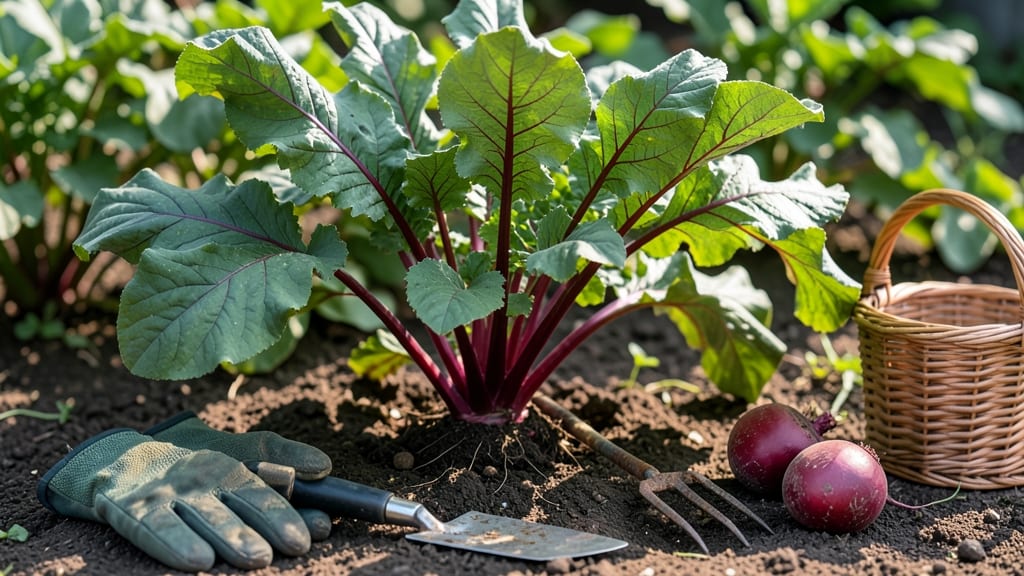
To pick beetroot from the garden at the perfect time, you’ll want roots that are firm, deep-colored, and about 1-3 inches in diameter—because waiting too long turns them woody, while harvesting too early leaves you with small, underdeveloped roots.
Picture this: you’re kneeling in the soil, fingers brushing against a beetroot’s skin, testing for that satisfying resistance—like a ripe avocado. That’s your cue. But timing isn’t just about size; soil conditions, weather, and even the variety play a role in when these 🍠 roots are truly ready.
Most gardeners miss the window because they focus on leaf size or days after planting instead of the real test: the soil-resistance trick. A beetroot that’s too soft is still growing, while one that resists gentle pressure is at its peak sweetness and texture.
In this guide, I’ll walk you through the exact steps to check for readiness, including how to spot overripe or underripe beets, adjust for your climate, and store your harvest so it stays fresh for weeks—no guesswork, just foolproof results.
How to test beetroot soil resistance for optimal harvest timing
One of the most reliable ways to determine when beetroot is ready for harvest is the soil resistance test. This simple method helps you gauge whether the roots have reached their ideal tenderness without becoming woody or fibrous.
Unlike checking leaf size or color alone, this test evaluates the root's internal maturity through soil pressure.
I start testing about 6-8 weeks after planting, which aligns with most beetroot varieties' harvest window. At this stage, roots are large enough to resist gentle pressure but haven't yet developed tough skins.
The key is to test a few roots weekly to catch the peak sweetness window before they overmature.
Here's how to perform the test correctly to avoid damaging your crop:
Choose a cloudy day
Test roots on overcast days when soil is moist but not waterlogged. Dry soil can give false firmness readings, making roots seem ready when they're not.
Locate a test root
Select a beetroot with 4-6 inch tall leaves and gently brush away 1-2 inches of soil around its base using your fingers or a small trowel.
Apply gentle pressure
Press your thumb firmly but gently against the root's shoulder (the widest part). If the root resists slightly but doesn't move, it's ready. If it pushes back easily, wait 3-5 days.
Check for firmness
A ready beetroot will feel firm but not rock-hard. If it feels spongy or gives way, it's underripe. If it's extremely resistant, it may be overripe.
Verify with size
After testing, dig up the root to confirm it's 1-3 inches in diameter. This size range ensures maximum sweetness and tenderness for most varieties.
I've found that Detroit Dark Red varieties often test ready slightly earlier than Chioggia striped beets, so adjust your timing based on your specific variety. The soil resistance test works best when combined with visual checks—look for deep, uniform color and smooth skin as secondary confirmation.
Timing your harvests properly prevents woody texture, which develops when beetroot stays in the ground too long. Once you master this test, you'll consistently harvest beetroot at its peak flavor, with just the right balance of sweetness and earthiness.
Pro tip: If you're growing baby beets, harvest when they reach 1 inch in diameter—they'll test ready much earlier, around 4-6 weeks after planting. These smaller roots have a delicate, buttery texture that's perfect for salads.
Remember to harvest on a cool morning after watering to make roots easier to extract. Store them in a cool, dark place (like a root cellar) for up to 3 months to maintain their freshness and flavor.
🌱
Signs of overripe vs. underripe beetroot (with visual clues)
Knowing when to harvest beetroot can be tricky—especially when distinguishing between underripe and overripe roots. The key lies in observing leaf color, root size, and texture. Baby beets, like Detroit Dark Red, mature faster, while heirloom varieties like Chioggia take longer to reach peak flavor.
Climate also plays a role, as cooler temperatures slow growth, while hotter weather can rush maturity.
Start by checking the leaf size. For most varieties, leaves should reach 4-6 inches tall before roots are ready. Smaller leaves (3 inches) signal underripe beets, while leaves turning yellow or wilted mean the roots may be overripe.
Pay attention to the root diameter—ideal harvest size is 1-3 inches across.
| Sign | Underripe Beetroot | Perfectly Ripe Beetroot | Overripe Beetroot |
|---|---|---|---|
| Root Size | <1 inch diameter | 1-3 inches diameter | >3 inches diameter |
| Leaf Color | Deep green, small | Vibrant green, 4-6 inches | Yellowing or wilted |
| Root Texture | Soft, easily pierced | Firm but yields slightly | Hard, woody, cracks |
| Skin Color | Pale or uneven | Deep, uniform hue | Dull, cracked skin |
| Growth Days | <45 days | 50-70 days | >80 days |
The soil-resistance test is my go-to method for checking ripeness. Gently squeeze the root through the soil—if it yields slightly but doesn’t feel mushy, it’s ready. Underripe beets will feel soft and squishy, while overripe ones may crack or feel rock-hard.
For baby beets, harvest when roots are 1 inch wide and leaves are 3-4 inches tall—they’re sweeter and more tender at this stage.
Climate impacts timing too. In cooler regions, beets may take 70-80 days to mature, while in hotter climates, they might be ready in 45-55 days. Watch for drought stress—wilting leaves can signal overripeness, especially in dry summers.
If you’re unsure, harvest a few test beets and taste them. Underripe ones taste mild and watery, while overripe beets can be bitter or fibrous.
For heirloom varieties like Golden Beets, wait until roots reach 3 inches before harvesting. Their golden color deepens as they mature, but don’t let them sit too long—they’ll become tough.
Always harvest on a dry, sunny day to prevent soil from sticking to the roots. Use a garden fork to loosen the soil and lift gently to avoid damaging the roots.
Pro tip: If you’re growing beets for both roots and greens, harvest the outer leaves first to extend the harvest season. The roots will continue growing while you enjoy the greens as a nutrient-rich side dish.
Store harvested beets in a cool, dark place with high humidity to preserve their sweetness for up to 2 weeks.