
Picking
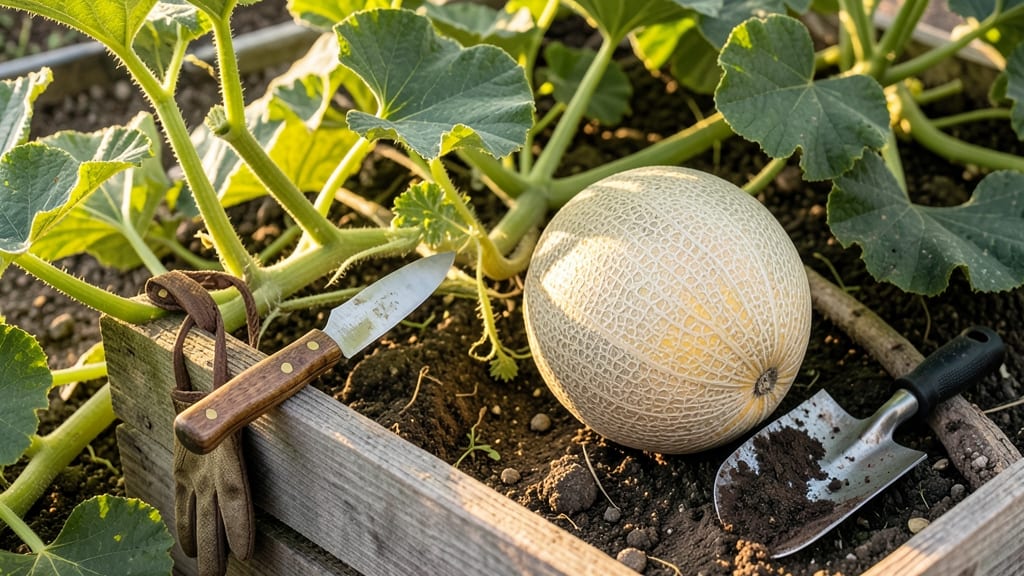
To pick cantaloupe from your garden at the perfect moment means the difference between a juicy, sweet reward and a bland disappointment—here’s how to get it right every time.
Picture this: you’ve nurtured your cantaloupe 🍈 all season, and now the moment has arrived. But how do you know it’s truly ripe? Waiting too long risks overripeness, while picking too soon leaves you with underwhelming flavor. The secret lies in three simple checks that save you from guessing.
First, look for a creamy yellow or tan rind—no more green patches—and a stem that slips easily from the vine. Then, sniff near the blossom end: a strong, sweet aroma means it’s ready.
These cues, combined with the right time of day (early morning for cool fruit), ensure you harvest at peak sweetness.
Below, I’ll walk you through each step, including regional adjustments for USDA Zone 6a and storage tips to keep your cantaloupe tasting fresh for days. No more second-guessing—just perfect, ripe fruit every time.


3 Visual and physical signs your cantaloupe is ripe for picking
There’s nothing like the moment you pick a cantaloupe straight from the vine—if you time it right. Overripe fruit turns mushy, while underripe cantaloupes stay bland and seedy. The key is knowing exactly when those visual cues and physical changes align to give you the sweetest, most flavorful harvest.
I’ve learned this the hard way after picking cantaloupes too early (and too late!) in my own backyard garden.
Cantaloupes don’t ripen well after picking, so harvest timing is everything. The good news? Nature gives you three clear signals that your cantaloupe is ready. Once you spot these, you’ll never second-guess your harvest again.
Let’s break down what to look for—starting with the most obvious clue that often gets overlooked.
📌 Numbered Highlights: 3 Signs Your Cantaloupe Is Ready
- 1
- 2
- 3
Pro Tip: Combine all three signs for the most accurate ripeness check. One clue alone isn’t enough!
Let’s start with the vine color change, which is often the first sign that your cantaloupe is nearing ripeness. When the vine turns yellowish-brown near the fruit, it’s a clear indication that the plant is shifting its energy toward ripening.
I always check this first because it’s the most visible clue—no sniffing or touching required. In my garden, I’ve noticed that this color change happens about 2-3 days before the fruit is fully ripe, so it’s a great heads-up.
The stem separation test is my favorite because it’s foolproof. When the stem dries out and the fruit detaches easily, that’s your green light to harvest. I’ve found that cantaloupes picked at this stage have the best texture and sweetness.
If the stem is still firm and green, wait a few more days. This test works especially well in hot, dry climates, where the stem dries out faster.
Now, here’s where things get fun: the aroma test. If you’ve ever picked a cantaloupe that smelled nothing near the stem, you know it’s not ready. But when that sweet, honey-like scent hits your nose, you’re in business.
I like to do this test in the late morning when the scent is strongest. If your cantaloupe passes all three tests, it’s time to grab your harvesting shears or knife and get picking!
One mistake I’ve made in the past is relying only on the color of the rind. Some cantaloupes develop a creamy yellow color before they’re fully ripe, leading to disappointing results. That’s why it’s crucial to combine all three signs.
For example, a cantaloupe might have a yellow rind but still smell bland—don’t pick it yet! Wait until the aroma and stem separation confirm ripeness.
If you’re growing cantaloupes in containers or raised beds, these signs still apply, but you might need to check them more frequently. Container-grown cantaloupes can ripen faster due to warmer soil temperatures. I’ve also noticed that morning harvests tend to yield sweeter fruit because the sugars concentrate overnight.
So, if you’re picking in the heat of the day, give your cantaloupes a chance to cool down first.
Finally, don’t forget to rotate your cantaloupes as you check for ripeness. The blossom end (the side where the stem was attached) often changes color first, so flip the fruit over to inspect the entire surface.
Once you’ve confirmed all three signs, use a clean, sharp knife or shears to cut the stem, leaving about 1 inch of stem attached. This helps the fruit last longer after harvest.
With these three signs in mind, you’ll never miss the perfect moment to pick your cantaloupes again. The next time you’re in your garden, take a sniff, give the vine a little wiggle, and trust your nose—your taste buds will thank you! 🍈
How to test cantaloupe sweetness before harvesting (no guesswork)
Nothing beats the satisfaction of biting into a cantaloupe that’s perfectly ripe—sweet, juicy, and bursting with flavor. But how do you know when your homegrown fruit has reached that ideal stage? Overripe cantaloupes can be mushy, while underripe ones taste bland.
The good news? With these science-backed tests, you’ll never guess again. Let’s dive into the three foolproof methods to determine sweetness before harvesting.
First, understand that cantaloupes ripen from the inside out, so external cues like color and scent are your best friends. The thumb pressure test, the stem bloom check, and the scent sniff are the trifecta of ripeness indicators.
Each method gives you a different clue, so combining them ensures you pick at the perfect moment. Ready to master these techniques? Let’s start with the easiest one—the thumb pressure test.
When to Pick Cantaloupe: Pros & Cons of Ripeness Tests
Press your thumb into the blossom end. If it gives slightly but doesn’t dent deeply, it’s ripe.
✅ Fast & easy
✅ Works for most cantaloupe varieties
Gently twist the stem near the fruit. If it slips off easily, it’s ready to pick.
✅ No tools needed
✅ Confirms internal ripeness
Sniff near the stem. A strong, sweet aroma means it’s ripe; no smell means it’s not ready.
✅ Simple & reliable
✅ Works even for hidden fruit
If the rind is soft or the stem is completely dry and crumbly, the cantaloupe is overripe.
⚠️ Risk of mealiness
⚠️ Flavor may be fermented
Now that you know the tests, let’s tackle the thumb pressure test first. Press your thumb firmly into the blossom end (the flat side where the stem meets the fruit). A ripe cantaloupe will yield slightly under pressure but won’t dent deeply.
If it feels hard like a basketball, it’s not ready yet. If it’s too soft, it’s overripe. This test is especially useful for hidden fruit or when you’re unsure about other signs.
Next up is the stem bloom check, a classic trick that’s been used by gardeners for generations. Gently grasp the stem near the fruit and give it a slight twist. If the stem slips off easily with just a little pressure, your cantaloupe is ripe and ready to harvest.
This happens because the fruit’s natural sugars break down the stem’s connection as it ripens. If the stem resists or snaps cleanly, the fruit needs more time on the vine.
The final test is the scent sniff, which might sound silly, but it’s one of the most reliable ways to gauge ripeness. Hold the cantaloupe near your nose and take a deep sniff close to the stem. A ripe cantaloupe will release a powerful, sweet aroma that’s almost intoxicating.
If there’s no smell or it’s faint, the fruit isn’t ready yet. This test is particularly useful for cantaloupes that are hidden under leaves or in hard-to-reach spots.
What if your cantaloupe fails one or more of these tests? Don’t panic! If it’s underripe, leave it on the vine for another day or two and retest.
If it’s overripe, harvest it immediately and enjoy it right away—overripe cantaloupes won’t improve in storage and can become mealy or fermented. Pro tip: Harvest in the morning when temperatures are cooler to preserve freshness and flavor.
Mastering these tests will transform your cantaloupe harvest from hit-or-miss to consistently sweet and delicious. Next time you’re standing in your garden, wondering if it’s time to pick, just remember: thumb pressure, stem slip, and sweet scent are your best friends. Happy harvesting! 🍈