
Picking
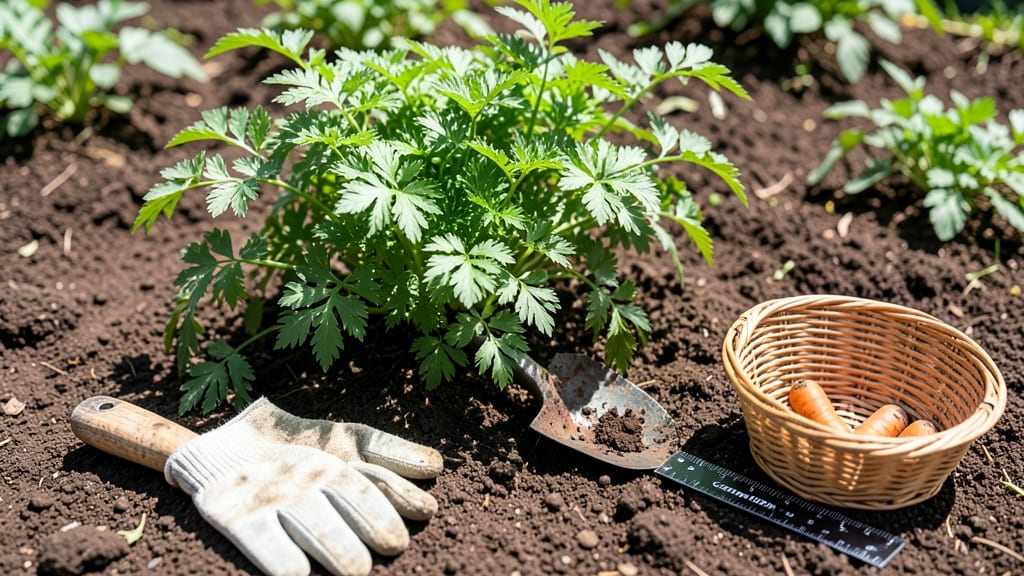
To pick carrots in your garden at the perfect moment means harvesting roots that are crisp, sweet, and free of that bitter, woody taste—so how do you know when they’re ready?
You’ve spent weeks tending to your 🥕 patch, watching those green shoots poke through the soil, only to wonder: Is it too soon? Or worse, Did I wait too long? The answer lies in three simple tactile tests—firmness, size, and color—that tell you exactly when to pull them for peak flavor.
Timing matters more than you might think. Harvest too early, and you’ll end up with undersized roots. Wait too long, and those once-tender roots turn tough and stringy.
Below, I’ll walk you through the exact signs to watch for, plus the best seasonal windows to avoid common mistakes and keep your carrots at their best.
Once you master these cues, you’ll never second-guess your harvest again—and your kitchen will thank you for it.
3 Tactile tests to determine when carrots are ready for harvest
Harvesting carrots at the perfect moment transforms your garden into a treasure trove of crisp, sweet roots instead of tough, woody disappointments. The key lies in using your hands and eyes to assess maturity—no fancy tools required.
I’ve relied on these same tactile tests for years, and they’ve never failed me. The sooner you master them, the sooner you’ll enjoy homegrown carrots that rival store-bought (if not surpass them!).
Timing matters because carrots lose their sweetness and tenderness the longer they stay in the ground. Once they reach peak flavor, they start converting sugars into structural fibers, making them hard and bitter. But how do you know when they’re ready?
The answer lies in three simple, hands-on checks: soil resistance, leaf size and color, and root shape. Each test gives you a different clue about maturity, and together, they create a foolproof system.
- 🌱 Soil Resistance Test: Gently wiggle a carrot in the soil. If it resists movement and feels firm when pulled, it’s ready. If it slides out easily, it’s underripe.
- 🌿 Leaf Size Test: Healthy leaves should be 4-6 inches tall with deep green color. If leaves are wilting or turning yellow, harvest immediately.
- 🥕 Root Shape Test: Expose the top inch of the root. If it’s plump and uniform with no green stem, it’s perfect. Green stems mean it’s still growing.
Let’s start with the soil resistance test, my go-to method for determining carrot readiness. On a dry, sunny day, gently grasp a carrot near the soil line and wiggle it side to side. If the soil holds firm and the carrot doesn’t slide out easily, it’s ready.
This resistance comes from the root’s mature size and the soil’s grip on it. Pro tip: Use this test on 2-3 carrots to confirm consistency across your patch. If one feels loose, wait a few days before checking again.
The leaf size test is another reliable indicator, especially for varieties like Danvers or Nantes. Carrot leaves should reach about 4-6 inches tall with a vibrant green hue. If the leaves are smaller than your hand, the carrots likely need more time.
Conversely, if the leaves start yellowing or wilting, it’s a sign of overmaturity or stress—harvest immediately to avoid bitterness. I once waited too long on my Purple Haze variety, and the leaves turned yellow before I noticed. The carrots were still edible but lost their sweetness.
For the root shape test, use a small hand trowel to expose the top inch of a carrot’s root. Look for a plump, uniform shape with no green stem visible. The stem should be yellow or brown, indicating the carrot has stopped growing upward.
If you see green, the carrot is still elongating and needs more time. This test is especially useful for short varieties like Paris Market, which can mature in as little as 50 days. Overlooking this can lead to misshapen roots.
Why do these tests matter beyond just picking at the right time? Because flavor and texture are directly tied to maturity. Carrots harvested too early are watery and lack sweetness, while those left too long become fibrous and bitter.
The ideal harvest window is when the root is firm, deep-colored, and free of blemishes. For example, orange carrots should have a rich, uniform hue with no greenish tint near the shoulders. The same goes for purple or yellow varieties—consistent color signals maturity.
One common mistake I see is relying solely on days to maturity listed on seed packets. While these are helpful guidelines, they don’t account for soil conditions, temperature fluctuations, or varietal differences.
For instance, Chantenay carrots mature faster in cool weather but may take longer in hot summers. That’s why tactile tests are non-negotiable. They give you real-time feedback, not just a calendar-based estimate.
I’ve learned the hard way that hot weather can accelerate growth, so I double-check with these tests during heatwaves.
Another pro tip: Harvest in the morning when the soil is cool and moist. This reduces stress on the carrots and makes them easier to pull. Avoid harvesting after heavy rain, as wet soil can cause the roots to break or split.
I once tried pulling carrots after a downpour and ended up with more broken roots than whole ones. Always work with dry, crumbly soil for the cleanest harvest. Once pulled, brush off excess dirt and store them in a cool, dark place for up to two weeks to preserve freshness.
If you’re growing multiple varieties, like short carrots alongside long varieties, prioritize harvesting the shorter ones first. They mature faster and can crowd out slower-growing types if left too long.
For example, Little Finger carrots are ready in about 60 days, while Imperator types take closer to 80 days. Stagger your planting and harvesting to enjoy a continuous supply. This method also prevents the soil from becoming depleted, ensuring healthier roots for the entire season.
Finally, don’t overlook the seasonal timing of your harvest. Spring-planted carrots are typically ready by late June to July, while fall crops mature in October or November, depending on your climate. In warmer regions, you might even get a winter crop if you plant in early August.
Pay attention to frost dates—carrots can tolerate light frosts but won’t improve in flavor if left in the ground too long. I’ve found that harvesting just before the first hard frost ensures the sweetest, most tender roots.
Mastering these three tactile tests will turn you into a carrot-harvesting pro. The next time you’re in your garden, take a moment to feel, see, and assess your carrots. Your taste buds will thank you for the crisp, sweet rewards of perfect timing. Happy harvesting! 🥕
Carrot harvest timing by variety: fast-growing vs. slow-maturing types
Not all carrots mature at the same pace—some varieties reach harvest readiness in as little as 50 days, while others take nearly 85 days to develop their signature sweetness. Understanding these differences helps you time your harvests perfectly for crisp, flavorful roots.
Fast-growing types like Paris Market are ideal for quick harvests, while slower varieties such as Danvers develop deeper flavor over time.
Seasonal timing also plays a critical role. Spring-planted carrots often mature faster due to cooler temperatures, while fall crops may take slightly longer in warmer climates. Adjust your expectations based on both variety and seasonal conditions to avoid harvesting too early or letting them become woody and tough.
| Variety | Days to Maturity | Harvest Window | Best Season | Notes |
|---|---|---|---|---|
| Danvers | 70-85 days | Late summer to fall | Cool seasons | Classic flavor, stores well |
| Nantes | 60-75 days | Early summer to fall | Spring/fall | Smooth, sweet, great for roasting |
| Chantenay | 65-70 days | Mid-summer to early fall | All seasons | Short and stout, resistant to bolting |
| Paris Market | 50-60 days | Early summer | Spring/fall | Tiny, quick-harvest, perfect for salads |
| Rainbow | 70-80 days | Late summer | Cool seasons | Multi-colored, ornamental and edible |
For fast-growing varieties like Paris Market or Nantes, start checking for readiness around 50 days after sowing. These types are perfect for succession planting—sow seeds every 2-3 weeks to ensure a steady supply.
In contrast, slower varieties like Danvers need patience; waiting until 70-85 days ensures maximum sweetness and flavor development.
Adjust your harvest timing based on seasonal cues. In spring, cooler temperatures speed up maturation, while summer heat can slow growth. Always check for the classic signs of readiness: a deep color, firm texture, and a dry stem at the soil line.
Ignoring these cues can lead to overmature, woody carrots that lose their appeal.
Pro tip: If you're unsure whether your carrots are ready, perform a gentle tug test. If the root resists but doesn’t snap, it’s likely ready. For slow-maturing varieties, waiting an extra 1-2 weeks can make a huge difference in flavor.
Harvesting at the right time ensures you enjoy the best of your garden’s bounty—crisp, sweet, and full of flavor!