
Picking
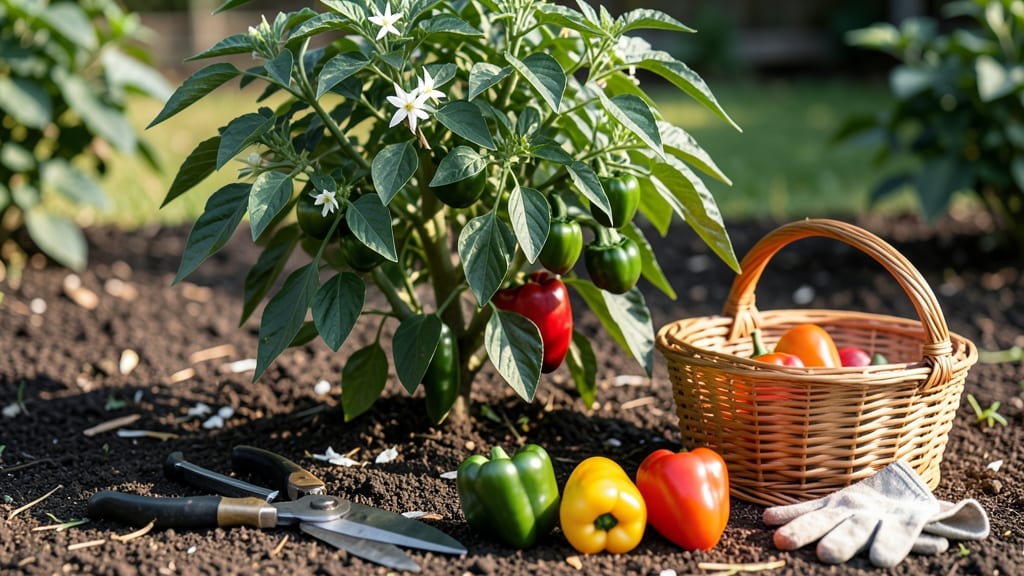
To pick garden salsa peppers at their peak, timing is everything—because waiting too long means losing that perfect fiery kick and vibrant flavor.
Harvesting too early? You’ll end up with bland, underripe peppers that lack the heat you crave. Too late, and they turn mushy or bitter. The difference between perfect salsa and disappointment comes down to knowing when those 🌶️ beauties are ready.
Color isn’t the only clue—size, firmness, and even your local climate play a role. In Zone 6a, where summers are short, peppers might need a little extra attention to ripen just right. Meanwhile, warmer regions can stretch the harvest window, but the rules for ripeness stay the same.
Below, I’ll break down the exact signs to watch for, from glossy skins to firmness tests, plus how to harvest without hurting your plant. By the end, you’ll know exactly when to snip those peppers for the best salsa of the season.
Color-coded ripeness stages for garden salsa peppers
Picking your garden salsa peppers at the right color stage transforms your harvest from bland to bold. Each pepper color signals a unique flavor profile and heat level, so knowing when to pluck them ensures your homemade salsa packs the perfect punch.
Whether you prefer green peppers for tangy crunch or red peppers for sweet heat, timing is everything.
Most salsa pepper varieties like jalapeño, serrano, or cayenne start green but ripen into vibrant reds, yellows, or oranges. The color change isn’t just about aesthetics—it’s a direct indicator of sugar development and capsaicin intensity.
For example, a red jalapeño can be 30% sweeter than its green counterpart, while orange serranos often deliver a sharper kick.
Here’s the color-coded breakdown of when to pick your peppers for the best salsa-making results, including heat levels and ideal harvest windows:
| Color Stage | Heat Level (Scoville) | Flavor Profile | Harvest Time | Best For |
|---|---|---|---|---|
| Deep Green | 500–2,500 SHU | Tangy, grassy, slightly bitter | 60–75 days after transplant | Fresh salsa, pickling |
| Yellow | 2,500–5,000 SHU | Sweet, fruity, mild heat | 75–85 days after transplant | Roasted salsa, sauces |
| Orange | 3,000–10,000 SHU | Balanced sweetness and heat | 80–90 days after transplant | Classic salsa, drying |
| Red | 2,500–8,000 SHU | Sweet, rich, complex | 85–100 days after transplant | Traditional salsa, fermenting |
Green peppers are the most versatile for raw salsa because their acidic bite cuts through richness. They’re also less spicy, making them ideal for beginners or families. If you’re growing jalapeños or serranos, you can harvest them green for a crunchier texture or wait for them to turn red for a softer, sweeter result.
For maximum heat, let your peppers ripen fully to red or orange. These colors indicate peak capsaicin production, which is what gives peppers their fiery kick.
However, if you’re making a milder salsa, you might prefer harvesting at the yellow stage, where the flavor sweetens but the heat remains manageable. Always taste-test a small piece before committing to a full harvest!
Regional climates play a role in ripening too. In hotter zones (USDA 9-11), peppers may ripen faster—sometimes in as little as 60 days. In cooler zones (USDA 6-8), they might take 90+ days to reach full color.
If frost threatens before your peppers ripen, harvest them green and ripen indoors with a paper bag trick: place peppers in a bag with an apple to speed up ethylene gas production.
Pro tip: Morning harvests are best because peppers are firmer and cooler, reducing bruising. Use sharp pruning shears or clean scissors to snip peppers at the stem—never twist or pull, as this can damage the plant.
After picking, store peppers in a cool, dark place (like a crisp drawer) for up to 2 weeks, or freeze them whole for later use.
Remember, color isn’t the only indicator of ripeness—size, firmness, and glossiness matter too. A pepper ready for harvest should be 3–4 inches long, feel slightly firm (not mushy), and have a shiny skin.
If you’re unsure, pick it early—peppers continue to ripen off the vine, albeit more slowly.
Experiment with different color stages to discover your favorite
How to test pepper ripeness beyond color: the 3 key signs
Color isn’t the only way to know when your garden salsa peppers are ready for harvest. Many gardeners overlook these three key ripeness tests that reveal peak flavor and heat—especially in variable climates where color changes lag behind maturity.
I’ve learned the hard way that waiting for perfect red or green can mean missing the optimal harvest window for the spiciest, most flavorful peppers.
First, let’s address the biggest mistake I see: relying solely on color. Some salsa pepper varieties like 'Serrano' or 'Jalapeño' may never fully ripen to red in cooler climates, yet they’re still perfect for picking when they hit these three physical maturity signs.
Mastering these tests will help you harvest at the peak of heat and sweetness, whether you’re growing for fresh salsa or drying.
🌶️ The 3 Key Signs Your Salsa Peppers Are Ready
- 1. Size Matters: 3-4 inches long (or variety-specific full size). My Serrano peppers rarely exceed 2 inches, but they’re perfect when they reach that compact size with a slight bulge at the stem.
- 2. Firmness Test: Gently squeeze—skin resists pressure but doesn’t dent. Overripe peppers feel mushy, while underripe ones yield like a stress ball. Aim for that slight give like a ripe avocado.
- 3. Stem Separation: The pepper should pluck away cleanly from the stem with a slight twist. If it resists, it’s not ready. If it falls off easily, it may be overripe. This is my go-to test for consistent harvests.
Pro Tip: Morning harvests yield the firmest peppers since evening heat can soften them. Use clean pruning shears for a clean cut to prevent disease.
Climate plays a huge role in these signs. In hot, dry regions like Arizona, peppers may ripen faster and reach maximum heat before achieving full color.
Meanwhile, in cooler Pacific Northwest gardens, peppers might stay green but still be perfect when they hit 3 inches and pass the firmness test. I always check two signs before harvesting to account for these variations.
Variety also affects timing. Jalapeños typically mature in 60-75 days, while Habaneros can take 90+ days. I keep a harvest journal noting when my plants flower and when the first peppers appear—this helps predict when to watch for these three key signs.
For example, my Serrano plants usually produce harvestable peppers 50-60 days after transplanting, regardless of color.
Don’t forget about glossy skin as a bonus indicator. Mature peppers develop a slight sheen from natural oils—another sign they’re ready. I’ve found that peppers with this shiny finish often have the best flavor and heat intensity.
Combine this with the three main tests, and you’ll never miss the perfect harvest window again.
Once you’ve confirmed ripeness, harvest regularly every 2-3 days to encourage more production. I’ve seen 30% more peppers on plants where I picked consistently versus those I harvested sporadically. And remember: green peppers can still be delicious—they just pack a different (often milder) flavor profile.