
Picking
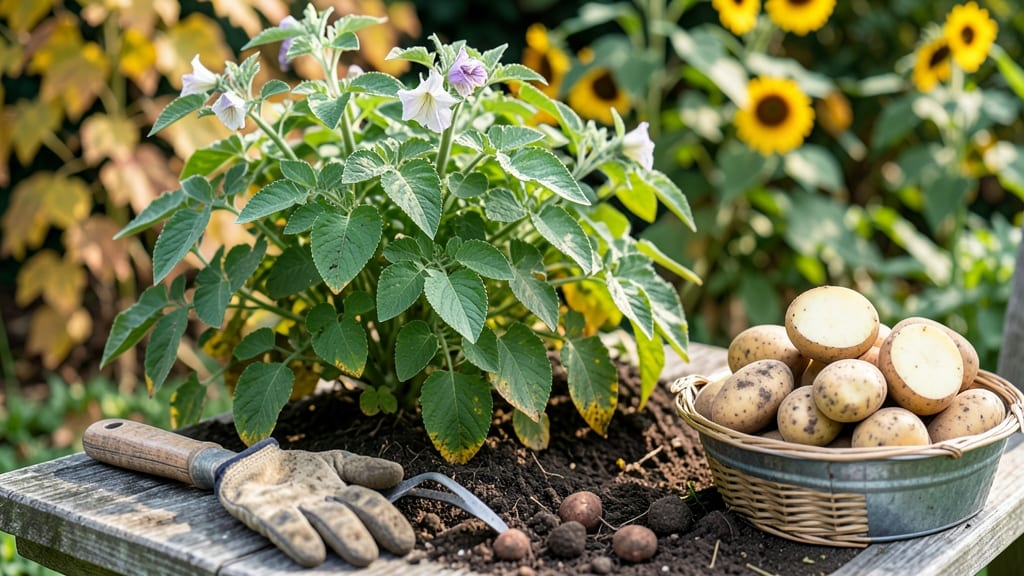
To pick potatoes from garden at the perfect time means creamy, flavorful tubers—not tough, starchy ones that ruin your dinner plans.
Harvesting too early or too late can turn your harvest into a gamble, and nothing beats pulling a golden potato straight from the soil. But how do you know when it’s ready? The answer lies in three simple clues: skin toughness, stem behavior, and flower signals.
Most gardeners wait until the foliage yellows and dies back, but that’s just the beginning. The real test is pressing your thumbnail into the skin—if it gives way slightly, you’ve hit the sweet spot. Meanwhile, regional timing varies, so I’ll break down when to dig in Zone 6 and beyond.
In this guide, you’ll learn the exact moment to harvest, how to spot early or late mistakes, and storage tips to keep your potatoes fresh for months. Let’s dig in!
How to test potato maturity: skin hardness, stem twist, and flower clues
Knowing when to harvest your potatoes can turn a mediocre crop into a flavorful feast. The key lies in three simple but often overlooked clues: skin toughness, stem behavior, and flower condition.
These signs work together to tell you whether your tubers are ready to dig or still need time in the soil. Ignoring them can mean green, bitter potatoes or shriveled, tough tubers—neither of which you want! 🥔
First, let’s talk about the skin hardness test, which is my go-to method. When your potatoes are ready, their skin should feel firm but slightly resistant when you press your thumbnail against it.
Think of it like testing a ripe avocado—just enough give to know it’s ready, but not so soft it’s overripe. This usually happens when tubers reach about 2-3 inches in diameter.
If the skin pierces easily, they’re still growing, while rock-hard skin means they’ve been in the ground too long. 🌱
The stem twist test is another foolproof way to check maturity. When your potato plants are ready for harvest, the stems will start to twist and dry out near the base. This is nature’s way of signaling that the plant is redirecting energy to the tubers below.
Grab a stem and give it a gentle twist—if it snaps cleanly (rather than bending), that’s your cue to start digging. This often happens 1-2 weeks before the foliage completely dies back, so don’t wait too long! ✂️
Don’t overlook the flower clues, either! Most potato varieties produce white or purple blossoms that eventually wilt and die back as the plant matures. When about 50-70% of the flowers have faded, your potatoes are typically ready for harvest.
This is especially true for late-blooming varieties, which need more time to develop flavorful tubers. If you’re growing early-season potatoes, like Red Pontiac, the flowers might drop sooner—so keep an eye on them! 🌿
Now, let’s talk about regional variations in harvest timing. In warmer climates (Zones 8-10), potatoes often mature faster due to longer growing seasons. You might start seeing these maturity signs as early as 70-80 days after planting.
Meanwhile, in cooler climates (Zones 3-6), the process can take 90-120 days, especially if you’re dealing with early frosts. Always adjust your harvest timeline based on your local last frost date and the specific variety you’re growing. ☀️
| Maturity Sign | What It Means | Action to Take | Best For |
|---|---|---|---|
| Skin Hardness | Skin resists thumbnail pressure but isn’t rock-hard | Dig a few test potatoes to confirm size and flavor | All varieties, 2-3" tubers |
| Stem Twist | Stems twist and snap easily at the base | Start harvesting immediately to avoid over-maturity | Late-season varieties |
| Flower Wilting | 50-70% of flowers have dropped or faded | Check skin hardness and stem condition before digging | Early and mid-season types |
| Foliage Yellowing | Leaves turn yellow and die back (senescence) | Wait 1-2 weeks before full harvest to cure tubers | All varieties, late-season harvests |
Here’s a pro tip: Dig a few test potatoes when you first notice these maturity signs. This way, you can check their size and flavor without committing to a full harvest. If they’re small or still waxy, give them another week or two.
If they’re perfectly sized and firm, it’s time to dig! I like to harvest on a dry, sunny day to make cleanup easier and reduce disease risk. 🪴
One common mistake I see is waiting until the foliage is completely dead before harvesting. By then, your potatoes might be shriveled or tough. Instead, start digging when you notice the first signs of maturity—usually when the foliage is half-yellowed.
This gives you the best chance of harvesting creamy, flavorful tubers. For new potatoes (small, tender varieties), you can even harvest as early as 50-60 days, but they’ll be best when harvested young. 🌻
Regional timing also plays a huge role. In northern climates, where growing seasons are shorter, I recommend harvesting early-maturing varieties like Yukon Gold or Red Norland as soon as they show maturity signs.
In southern climates, where heat can stress plants, you might need to harvest late-season varieties like Russet or Kennebec earlier to avoid tuber deterioration. Always keep an eye on your local weather forecasts
Best time to harvest potatoes by variety: early, mid-season, and late blossom types
Not all potatoes ripen at once! Understanding your variety type—early, mid-season, or late—helps you time harvests for peak flavor. Early types like Yukon Gold mature in 60-80 days, while late varieties such as Russet take 100-120 days.
Climate zones also shift timing by 2-4 weeks, so adjust accordingly.
For early blossomers (e.g., Red Pontiac), harvest begins when flowers fade and foliage yellows. Mid-season types (like Kennebec) peak when tubers are 2-3 inches wide and stems twist easily. Late varieties (e.g., Fingerlings) need full foliage die-back before digging.
| Variety Type | Days to Maturity | Harvest Cue | Zone Adjustment |
|---|---|---|---|
| Early (Yukon Gold) | 60-80 days | Flowers fade, foliage yellows | Harvest 1-2 weeks earlier in warm zones |
| Mid-Season (Kennebec) | 80-100 days | Tubers 2-3", stems twist | Standard timing for zones 4-7 |
| Late (Russet) | 100-120 days | Foliage fully dies back | Harvest 2-3 weeks later in cool zones |
| Fingerlings | 70-90 days | Skin toughens, stems snap | Early harvest in zones 8+ |
In cold climates (zones 3-5), extend harvest timing by 2-3 weeks to avoid frost damage. For hot zones (8-10), early varieties may need harvesting 1-2 weeks sooner to prevent tuber deterioration. Always test maturity by checking skin firmness—if it resists a thumbnail, it’s ready!
Pro tip: For new potatoes, harvest early (when tubers are 1-inch wide) for tender, waxy results. For storage potatoes, wait until foliage fully dies back. Curing tubers in 60-70°F for 1-2 weeks after harvest improves flavor and storage life.
Mistake alert: Harvesting too early gives small, green tubers (bitter and toxic), while waiting too long risks shriveled, tough potatoes. Use the stem twist test—if stems snap easily, it’s time to dig!
For container growers, harvest slightly earlier (within 10 days) since pots dry out faster. Always dig gently to avoid damaging tubers—use a fork or hands to loosen soil before pulling.